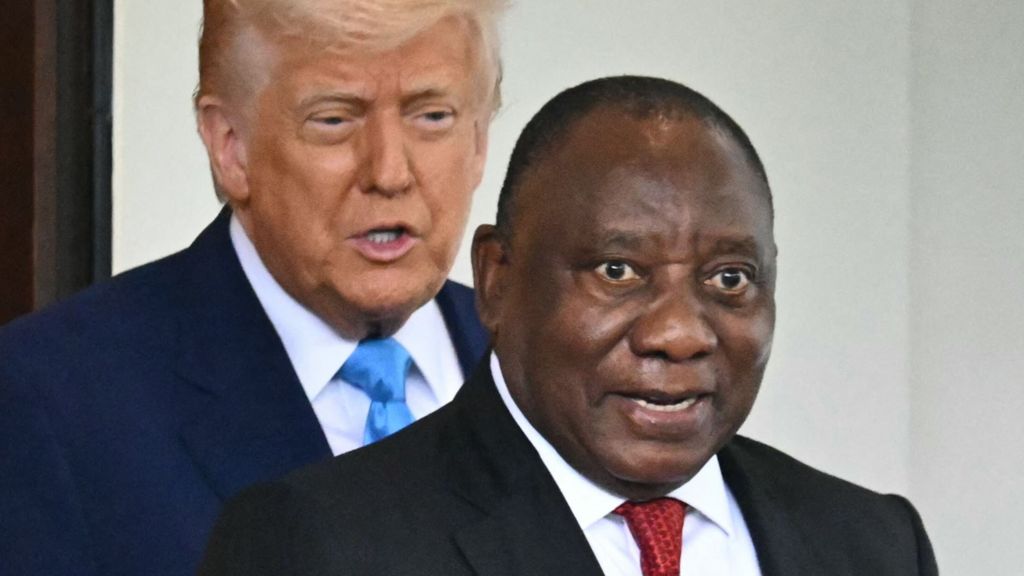
The South African government has strongly criticized the United States’ decision to prioritize refugee applications from white Afrikaners, dismissing claims of a ‘white genocide’ as baseless and lacking credible evidence. This response follows an open letter from prominent Afrikaner community members, who denounced the narrative as racially charged and rejected the relocation scheme. The South African government further emphasized that the low number of white Afrikaners applying for relocation to the US indicates a lack of persecution.
标签: Africa
非洲
-

Ziina debuts digital card with Visa to turn payments into instant spending power
Ziina, a prominent UAE-based fintech platform, has unveiled its groundbreaking Ziina Card, a digital payment solution powered by Visa. Seamlessly integrated into Apple Wallet, the card enables users to convert their Ziina balance into immediate spending power, allowing both individuals and businesses to access funds instantly upon receipt. This collaboration with Visa ensures global acceptance, enhanced security, and access to exclusive rewards, aligning with Ziina’s mission to streamline financial transactions in the UAE. The launch of Ziina Card marks a significant milestone for the company, responding to high demand from tens of thousands of users who have eagerly anticipated this feature since Ziina’s inception. Faisal Toukan, co-founder and CEO of Ziina, emphasized the card’s role in adapting financial services to modern lifestyles, stating, ‘Ziina Card is the natural evolution of that vision—your money, always accessible, working the way you need it to.’ Salima Gutieva, Visa’s vice-president and UAE country manager, praised the innovation, highlighting its ability to deliver faster, simpler payment experiences. The launch is timely, as the UAE’s economy increasingly relies on digital payments, with SMEs facing cash flow challenges and consumers seeking seamless, secure transaction methods. Ziina Card eliminates traditional barriers by providing real-time access to funds, enriched data, and improved visibility, completing the company’s integrated payment ecosystem. This innovation builds on Ziina’s earlier introduction of Tap to Pay on iPhone, further solidifying its position as a leader in the fintech space.
-
Sudan’s RSF arrests fighters accused of abuses in Al Fasher amid global outrage
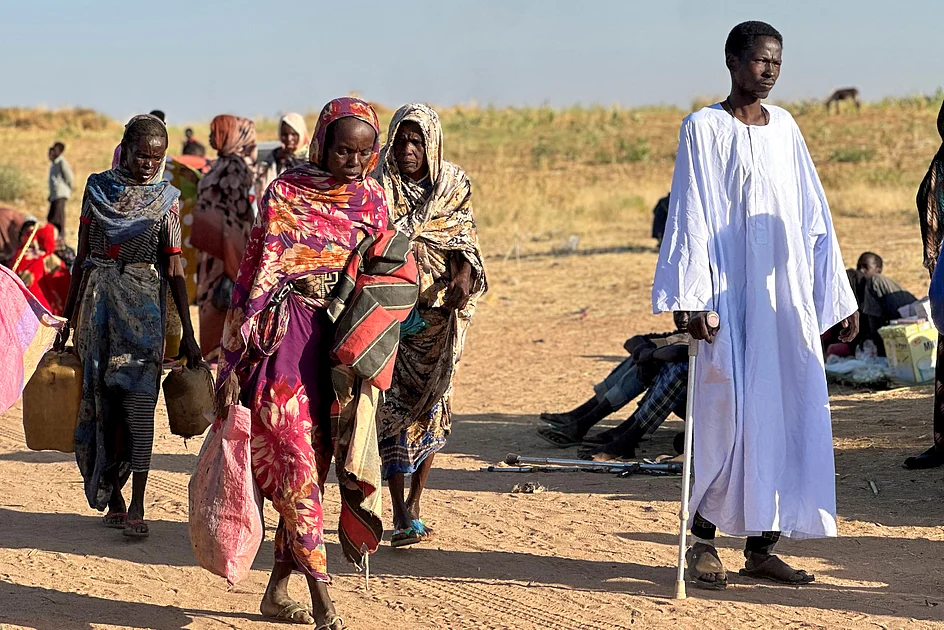
In a significant development amid escalating global condemnation, Sudan’s paramilitary Rapid Support Forces (RSF) announced the arrest of several of its fighters accused of committing human rights abuses during the capture of Al Fasher, the capital of North Darfur. Among those detained is Abu Lulu, a figure identified in multiple execution videos circulating on social media platforms like TikTok. The RSF stated that the arrests were made in response to ‘violations that occurred during the liberation’ of the city. Al Fasher, home to approximately 300,000 people, has been described by the United Nations as an ‘epicentre of child suffering,’ with reports of intensified bombardment, artillery fire, drone strikes, and ground incursions by the RSF. The conflict between the RSF and Sudan’s regular army, which began in April 2023, has seen Al Fasher become the latest focal point of violence in the Darfur region. The United Arab Emirates, in a strong statement at the United Nations, condemned the ‘heinous attacks against civilians’ and pledged an additional $100 million in humanitarian aid. The international community has called for both warring parties to cease targeting civilians and exercise restraint.
-
UN set to vote on a resolution backing Morocco’s plan for Western Sahara, in a major shift
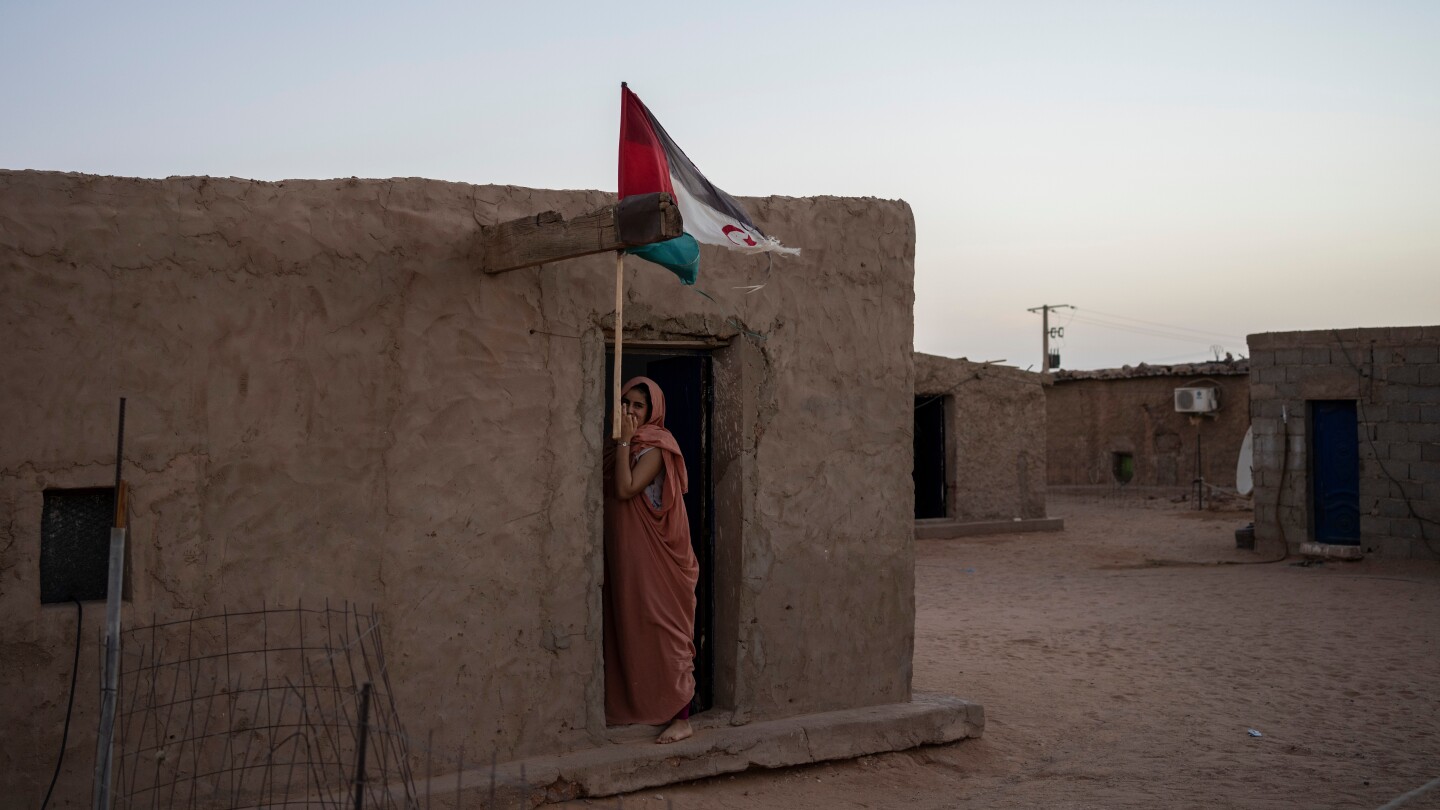
The United Nations Security Council is set to vote on Friday on a resolution endorsing Morocco’s sovereignty over the disputed Western Sahara region. This move aligns with the Trump administration’s support for Morocco’s autonomy plan, marking a significant shift in the decades-long conflict. The resolution, if passed, would represent the strongest international backing yet for Morocco’s claim, supported by most European Union members and a growing number of African allies. It notably omits references to a U.N.-backed referendum on self-determination, a stance supported by Algeria, Russia, and China, instead proposing ‘genuine autonomy under Moroccan sovereignty’ as the most viable solution. The resolution also seeks to renew the U.N. peacekeeping mission in Western Sahara for another year, a mission that has been in place for over three decades. Western Sahara, a phosphate-rich coastal desert the size of Colorado, has been a contentious territory since Spain relinquished control in 1975. Both Morocco and the Polisario Front, a pro-independence group based in Algerian refugee camps, lay claim to the region. The Polisario Front has rejected the resolution, vowing to continue its fight for self-determination. The U.N. resolution calls for all parties to seize this ‘unprecedented opportunity for lasting peace’ and requests Secretary-General Antonio Guterres to review the peacekeeping mission’s mandate within six months. The conflict remains a central issue in North African diplomacy, with Morocco viewing support for its autonomy plan as a key indicator of international alliances. The resolution comes amid U.S. efforts to reassess funding for U.N. programs, including peacekeeping, as part of a broader strategy to align U.N. operations with American interests.
-
Birders going ‘cuckoo’ after unexpected sighting in New York City area
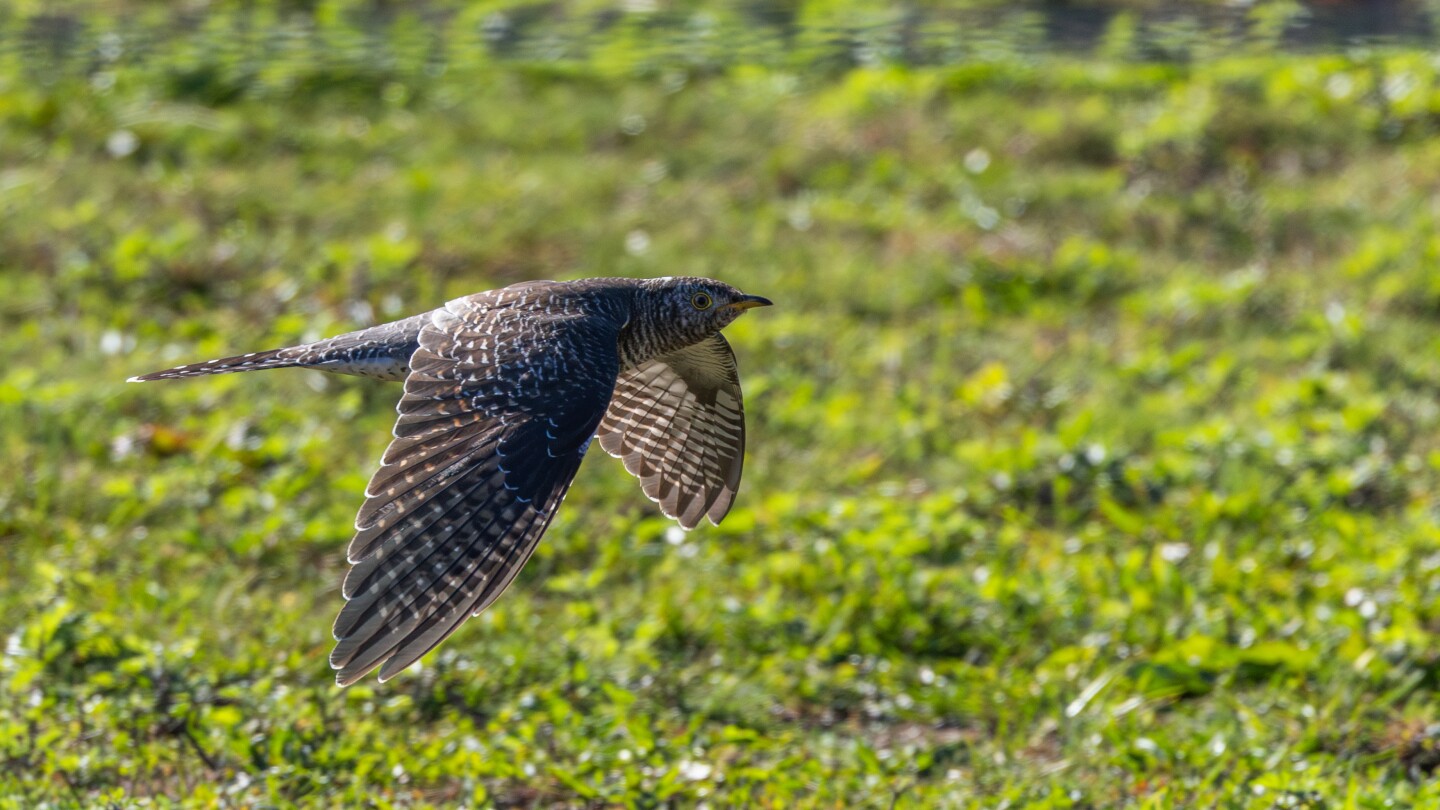
A rare sighting of a common cuckoo on Long Island, New York, has ignited a wave of excitement among bird enthusiasts across the region. This species, typically native to areas spanning from Europe to Japan and wintering in Africa, was unexpectedly spotted in Riverhead, a town approximately 75 miles from New York City. The discovery was made by a golfer who captured a photo and shared it with his nephew, an avid birder. The image eventually reached the Cornell Lab of Ornithology in Ithaca, New York, where the bird was confirmed as a common cuckoo—a species rarely seen in the eastern United States and Canada. Since the initial sighting, the bird has been observed over 200 times, with enthusiasts documenting their encounters on platforms like ebird.org and social media. Many birdwatchers from across the U.S. have traveled to the area in hopes of catching a glimpse of the rare visitor. Experts believe the bird, identified as a juvenile, may have been migrating for the winter but veered off course. Jay McGowan, a curator at the Cornell Lab’s Macaulay Library, emphasized the significance of the sighting, noting it as a major event for birding in New York. He advised observers to maintain a respectful distance while enjoying the rare opportunity to witness a species typically found only in Europe or Asia.
-

Dubai: Gold prices climb slightly; analysts predict bullish market
Gold prices in Dubai experienced a modest uptick on Friday morning, with 24K gold rising to Dh482.75 per gram, up from Dh479 the previous day. Similarly, 22K, 21K, and 18K gold prices stood at Dh447, Dh428.50, and Dh367.50 per gram, respectively. Globally, spot gold prices reached $4,010 per ounce, while silver saw a slight increase to $49.12. Analysts remain optimistic about gold’s prospects, describing the market as ‘bullish’ despite recent corrections. Joseph Dahrieh, Managing Principal at Tickmill, highlighted that central bank demand for gold remained robust, with net buying reaching 220 tonnes in Q3 2025 and 634 tonnes year-to-date. This persistent demand is driven by central banks diversifying away from the US dollar. The World Gold Council reported that total gold demand, including over-the-counter transactions, hit a record 1,313 tonnes valued at $146 billion in Q3. Dahrieh noted that the Federal Reserve’s recent interest rate cuts and ongoing geopolitical tensions could further support gold prices. However, he cautioned that trade tensions might influence the metal’s performance. The US Federal Reserve announced its second consecutive quarter-point rate cut on Wednesday, adding to the favorable macroeconomic backdrop for gold.
-

Global leaders inspire at an event hosted by ICAI Abu Dhabi
In a thought-provoking event hosted by the Institute of Chartered Accountants of India (ICAI) Abu Dhabi Chapter, three distinguished leaders—Dr. Huzaifa Khorakiwala, Siddharth Balachandran, and Shankar Sharma—shared their insights on leadership, peace, and prosperity in a rapidly changing world. The event, titled ‘Building Resilient Leaders in a Changing World,’ drew attendees from Abu Dhabi and Dubai, fostering a dialogue on empathy, vision, and global perspective. Krishnan, chairman of ICAI Abu Dhabi Chapter, opened the session by welcoming the speakers and audience, setting the tone for an evening of inspiration and reflection. Dr. Khorakiwala, founder of the ‘I Am a Peacekeeper Movement’ and executive director of Wockhardt Healthcare, highlighted the transformative power of peacekeeping and empathy. He introduced the seven pillars of peace—truth, gratitude, forgiveness, love, humility, giving, and patience—stressing that peace begins within individuals and radiates outward. Siddharth Balachandran, CEO of Buimerc Corporation Ltd, discussed the intersection of leadership and societal impact, praising the visionary approaches of the UAE and India. He underscored the importance of combining wealth generation with sustainability and philanthropy. Shankar Sharma, founder of First Global GQuant Investec, captivated the audience with his insights on global investing, emphasizing the role of calculated risk-taking in unlocking opportunities. The event concluded with a vote of thanks by CA Rohit Dayma, vice chairman of ICAI Abu Dhabi Chapter, who expressed gratitude to the speakers and attendees for their participation.
-
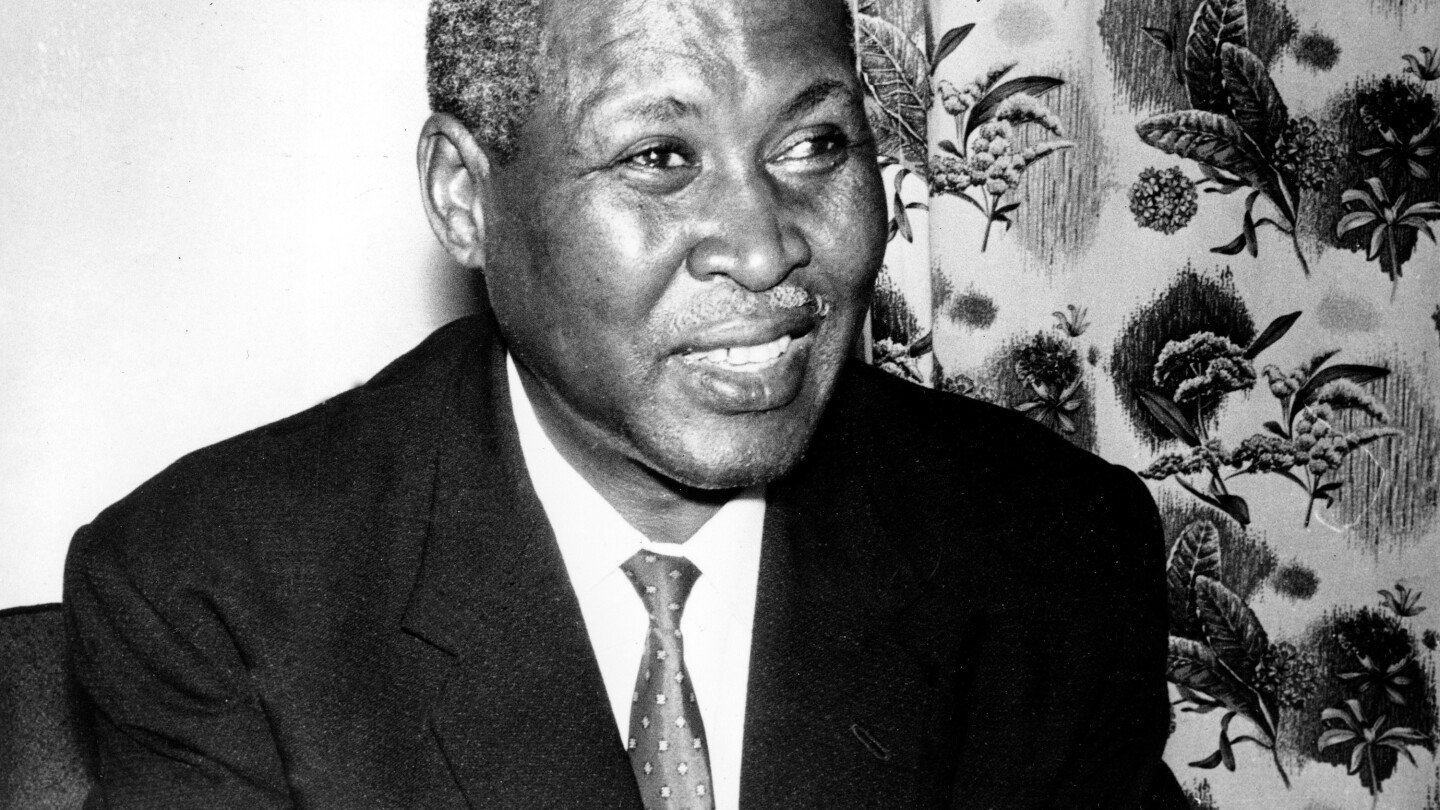
New inquest rules South African Nobel laureate Albert Luthuli was beaten to death in 1967
A groundbreaking court ruling in Pietermaritzburg, South Africa, has overturned a 1967 inquest conclusion, revealing that Albert Luthuli, the Nobel Peace Prize-winning anti-apartheid leader, was beaten to death rather than killed in a train accident. The judgment, delivered on Thursday, comes after more than 50 years of suspicion that Luthuli was murdered by apartheid police due to his leadership in the African National Congress (ANC), which opposed the white minority rule system. The South African government reopened the inquest in April as part of a broader effort to investigate high-profile apartheid-era killings allegedly concealed by authorities. The original 1967 inquest had ruled Luthuli’s death accidental, a finding widely doubted given the apartheid government’s history of covering up political assassinations. The new inquest judge concluded that Luthuli died from head injuries consistent with an assault, implicating the notorious Special Branch police unit and railway company employees. The ANC hailed the ruling as a step toward justice and dignity for Luthuli’s memory and all apartheid victims. Luthuli, ANC president from 1952 until his death, was the first African awarded the Nobel Peace Prize in 1960 for his nonviolent resistance to apartheid. This ruling is part of a series of inquests into apartheid-era deaths, including that of Steve Biko, ordered by President Cyril Ramaphosa amid criticism of delayed investigations.
-
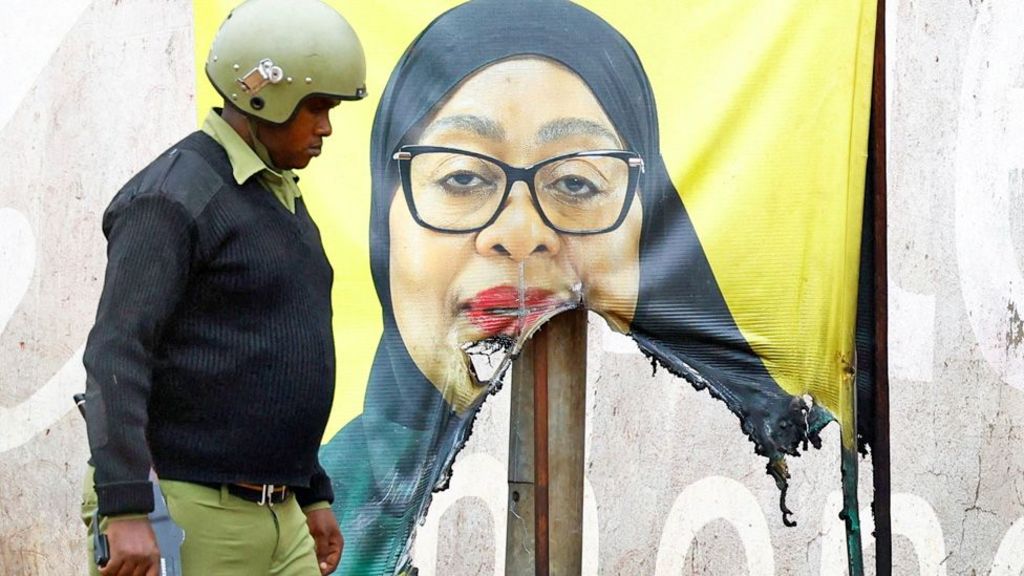
Election protesters defy army chief in third day of Tanzania unrest
Tanzania is witnessing a wave of unrest as protests continue for the third consecutive day, despite stern warnings from the country’s military leadership. Demonstrators, primarily young citizens, have flooded the streets of major cities, decrying the recent presidential election as unfair. The exclusion of key opposition figures from contesting against President Samia Suluhu Hassan has fueled widespread discontent. The government has imposed an internet blackout, making it challenging to verify reports of casualties, while a curfew has been extended to curb the escalating violence. The United Nations has expressed grave concern, urging Tanzanian security forces to avoid excessive force. UN human rights spokesperson Seif Magango cited credible sources indicating at least 10 fatalities. Amnesty International has also raised alarms, though communication disruptions have hindered their ability to confirm these reports. Hospitals are withholding information from journalists and human rights groups, further obscuring the true scale of the crisis. The government has downplayed the violence, emphasizing its control over the situation. Meanwhile, the electoral commission has announced results from over half of the country’s 100 constituencies, with President Samia, representing the long-ruling Chama Cha Mapinduzi (CCM) party, expected to secure victory. The CCM has governed Tanzania since its independence in 1961. On the semi-autonomous archipelago of Zanzibar, incumbent President Hussein Mwinyi of the CCM has reportedly won nearly 80% of the vote, though opposition leaders have alleged massive fraud. The protests have disrupted daily life, with tourists stranded at airports due to flight delays. Critics accuse the government of undermining democracy, citing the imprisonment of main opposition leader Tundu Lissu on treason charges and the disqualification of another prominent contender, Luhaga Mpina, on legal technicalities. Samia, Tanzania’s first female president, assumed office in 2021 following the death of her predecessor, John Magufuli. While initially praised for easing political repression, her administration has faced growing criticism for narrowing the political space and targeting critics through arrests and abductions. The situation remains tense as the nation awaits official election results, expected on Saturday.
-
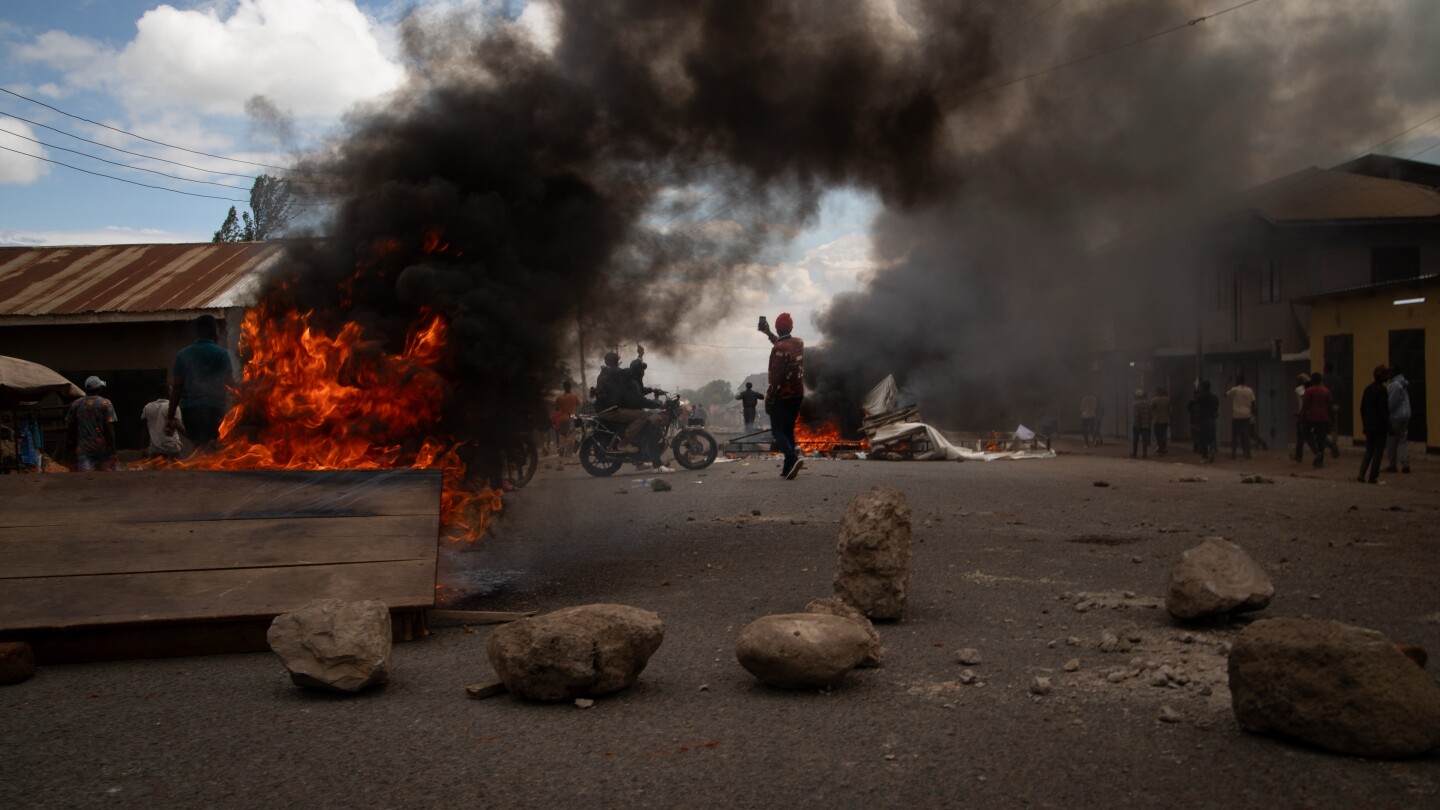
What to know about a disputed election in Tanzania, where single-party rule is being challenged
KAMPALA, Uganda — Tanzania is experiencing widespread protests as electoral authorities tally votes in a highly contested presidential election. Rights groups, opposition leaders, and observers have criticized the election, citing a climate of fear and suppression in the lead-up to the vote. Since Wednesday’s election, the military has been deployed alongside police to quell riots in major cities, a rare sight in a country known for its peaceful reputation and popular tourist destinations like pristine beaches and safari parks. The unrest stems from President Samia Suluhu Hassan’s bid for a second term, which critics describe as a ‘coronation’ rather than a fair contest. Hassan, Tanzania’s first female president, faced minimal opposition after her two main rivals were barred from running. Her administration has been accused of authoritarian tactics, including silencing dissent through arrests, intimidation, and internet restrictions. Opposition leader Tundu Lissu of the Chadema party has been jailed for months on treason charges, while ACT-Wazalendo’s Luhaga Mpina was disqualified from the race. The ruling Chama cha Mapinduzi (CCM) party, which has held power since Tanzania’s independence in 1961, is accused of using administrative, legal, and extra-legal means to maintain its dominance. Reports of enforced disappearances, arbitrary arrests, and extrajudicial killings have further fueled public outrage. Internet access has been intermittently shut down since the election, raising concerns about transparency. Tanzania’s political landscape contrasts sharply with neighboring countries like Uganda, Kenya, Mozambique, and Madagascar, where youth-led movements and opposition figures have challenged long-standing regimes. Despite regional trends, Tanzania remains an outlier, with CCM deeply entrenched in the state apparatus. Hassan’s rise to power followed the sudden death of her predecessor, John Pombe Magufuli, in 2021, maintaining CCM’s reputation for orderly transitions. However, her administration’s crackdown on dissent has drawn international criticism, with organizations like Amnesty International and the International Crisis Group highlighting the erosion of democratic freedoms. As Tanzania awaits official election results, the nation’s political stability hangs in the balance, with opposition leaders vowing to challenge CCM’s grip on power.