
As the Dubai World Cup marks its 30th anniversary, the UAE solidifies its position as a global leader in horse racing. The event, which began in 1996 under the visionary leadership of Sheikh Mohammed bin Rashid Al Maktoum, has transformed Dubai into a premier destination for the sport. The 2025–2026 Dubai Racing Carnival, set to commence on November 7 at Meydan Racecourse, will feature 16 race meetings, culminating in the 30th Dubai World Cup on March 28, 2026, with a staggering total purse of $30.5 million. This milestone celebrates not only the event’s legacy but also the UAE’s commitment to innovation, integrity, and international collaboration in horse racing. The introduction of new initiatives, such as the Investigation Unit by the Emirates Racing Authority, underscores the nation’s dedication to maintaining the highest standards of fairness and transparency. Additionally, the expanded international lineup and enhanced prize money reflect Dubai’s growing influence in the global racing community. From its humble beginnings at Nad Al Sheba Racecourse to the state-of-the-art Meydan Racecourse, the Dubai World Cup has become a symbol of excellence, attracting the world’s finest horses, trainers, and owners. As the UAE continues to raise the bar, the 30th edition promises to be a historic celebration of the sport’s evolution and Dubai’s enduring legacy in horse racing.
标签: Africa
非洲
-

AI in Arabic? How Gulf could soon lead Artificial Intelligence race
The Gulf region is emerging as a global leader in the development and export of Arabic-focused artificial intelligence (AI). What began as a regional push to digitize economies has evolved into a competitive race to create and export AI systems tailored to the linguistic and cultural nuances of the Arab world. At the forefront of this transformation are startups like Arabic.AI, which showcased advanced large language models (LLMs) at GITEX Global 2025, MENA’s premier tech event. These models, capable of processing and responding in Arabic, mark a significant shift from mere adoption to the creation of region-specific AI technologies.
-

What exactly is a QD-Mini LED TV – and how it’s suddenly everywhere
As home entertainment evolves, QD-Mini LED TVs are emerging as the pinnacle of display technology, blending cutting-edge innovation with immersive viewing experiences. Across the Gulf region, including the UAE, Saudi Arabia, and Qatar, rising incomes and a tech-savvy population are driving demand for larger, more advanced screens. QD-Mini LED technology, combining the precision of Mini LED backlighting with the vibrant colors of Quantum Dots, is at the forefront of this transformation.
Traditional LED TVs use a limited number of backlights, akin to illuminating a stage with a few spotlights. In contrast, Mini LED employs thousands of microscopic light sources, each individually controlled for superior contrast and brightness. Quantum Dot technology enhances this further by converting light into pure, vivid colors, delivering stunning reds, greens, and blues. The result is a display that offers unparalleled brightness, accuracy, and lifelike tones from any angle.
The global shift toward Mini LED began as consumers sought OLED-like contrast without the associated costs or risks of screen burn-in. Early innovators like TCL, which introduced the first Mini LED TV in 2019, have paved the way for this technology to become mainstream. Advances in optical control systems and AI-driven dimming algorithms have further refined the viewing experience, making QD-Mini LED TVs a benchmark for premium home entertainment.
In the GCC, where open-plan homes and natural daylight are common, QD-Mini LED TVs are particularly appealing. Brands like TCL have tailored their offerings to meet regional preferences, balancing high brightness with anti-glare coatings and wide viewing angles. With screen sizes up to 115 inches, these TVs combine cinematic visuals with sleek, modern designs, resonating strongly with consumers’ evolving lifestyles.
QD-Mini LED technology represents a harmonious blend of performance, design, and sustainability, offering energy-efficient solutions for modern homes. As televisions transition from mere screens to lifestyle statements, QD-Mini LED is redefining how we experience light, color, and immersion in our living rooms. TCL’s 2025 lineup, featuring models like the C6K, C7K, C8K, and X11K, exemplifies this innovation, making advanced technology accessible to a broader audience.
Explore TCL’s QD-Mini LED lineup and discover how this groundbreaking technology is transforming home entertainment at www.tcl.com/gulf/en/choose-qd-mini-led.
-
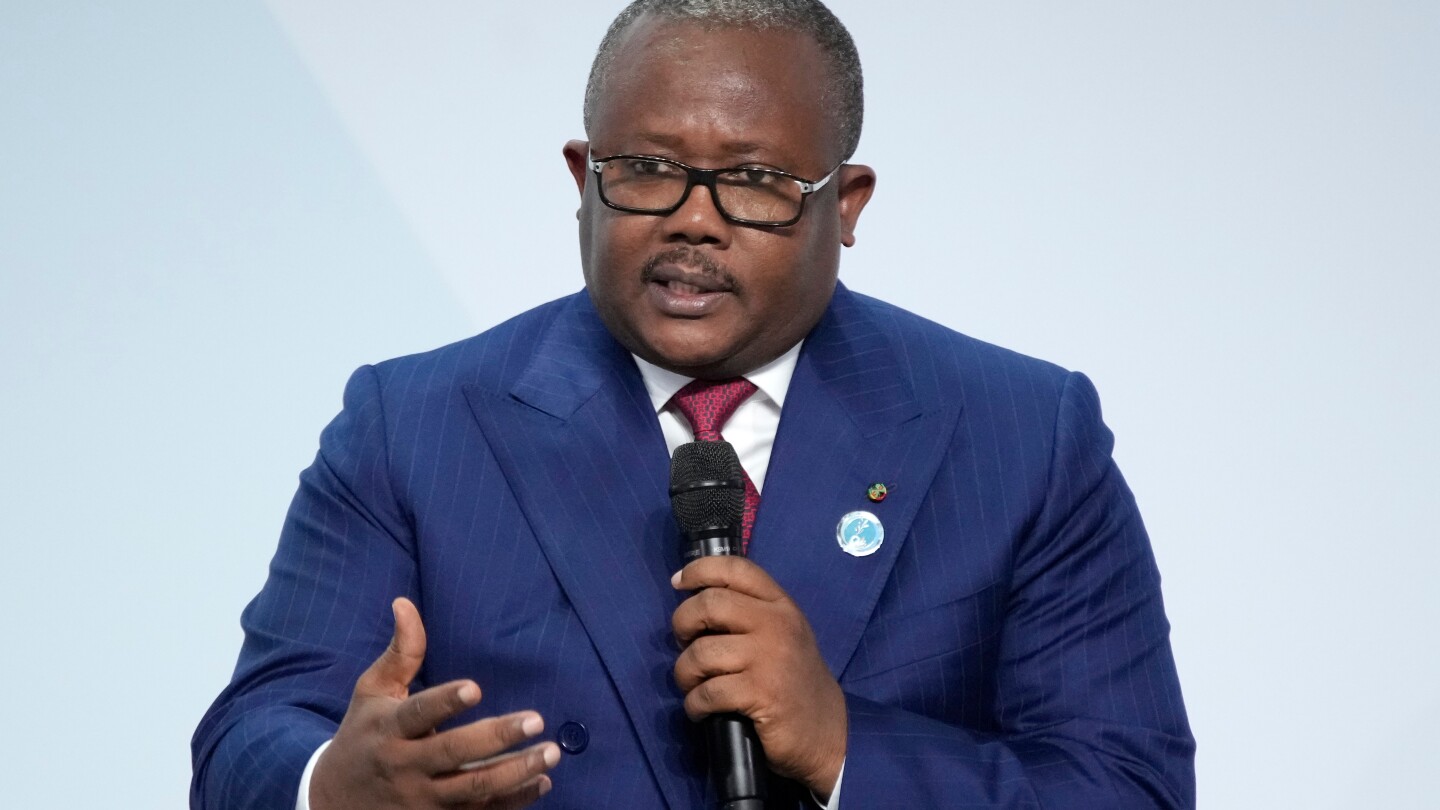
Guinea-Bissau arrests officers for alleged coup attempt
Guinea-Bissau’s armed forces announced on Friday the arrest of several military officers accused of orchestrating a coup attempt. The alleged plot, led by Brig. Gen. Daba Na Walna, director of a military training school, involved senior officers who had been reported missing since Monday. The announcement came just a day before the official start of the general election campaign, raising concerns about the nation’s stability. The armed forces’ General Staff condemned the incident, stating that it threatened the peace and socio-economic development crucial for attracting foreign investment. This marks the second known coup attempt against President Umaro Sissoco Embaló, who assumed power in 2020. The details of the accused plotters’ fate remain undisclosed. Guinea-Bissau, a small West African nation, has a history of political instability, with multiple coups since gaining independence from Portugal over 50 years ago. The current political climate is further strained by controversy over Embaló’s term. The opposition claims his term should have ended in February, but the Supreme Court extended it until September. Embaló, however, set the election date for November 30, declaring his first term would last until then. This decision has heightened tensions, with the opposition refusing to recognize his presidency. Earlier this year, a mediation mission from a West African regional bloc abruptly left the country after reportedly facing expulsion threats from Embaló.
-
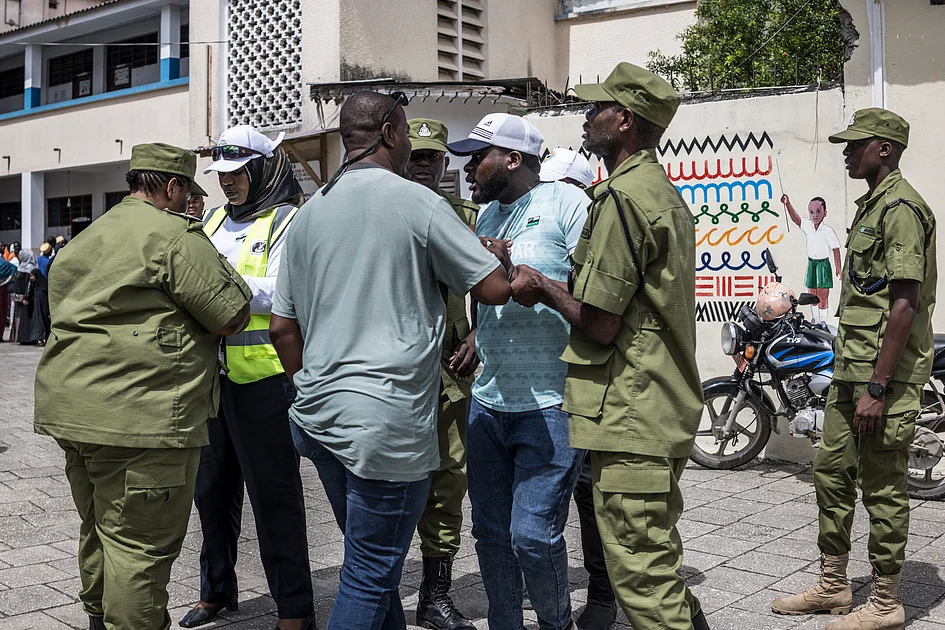
‘Around 700 dead’ in Tanzania election protests, opposition party says
In a tragic escalation of tensions surrounding Tanzania’s recent elections, the main opposition party, Chadema, has reported that approximately 700 people have lost their lives during three days of violent protests. The unrest, which erupted in the economic capital Dar es Salaam and other regions, saw demonstrators marching towards the city center on Friday, according to party spokesman John Kitoka. Kitoka stated that the death toll in Dar es Salaam alone is estimated at 350, with an additional 200-plus fatalities in Mwanza and other areas across the country. A security source corroborated these figures, indicating a widespread and devastating impact. The protests have underscored deep political divisions and raised concerns about the state of democracy and human rights in Tanzania. Authorities have yet to officially confirm the numbers or provide a detailed response to the crisis.
-
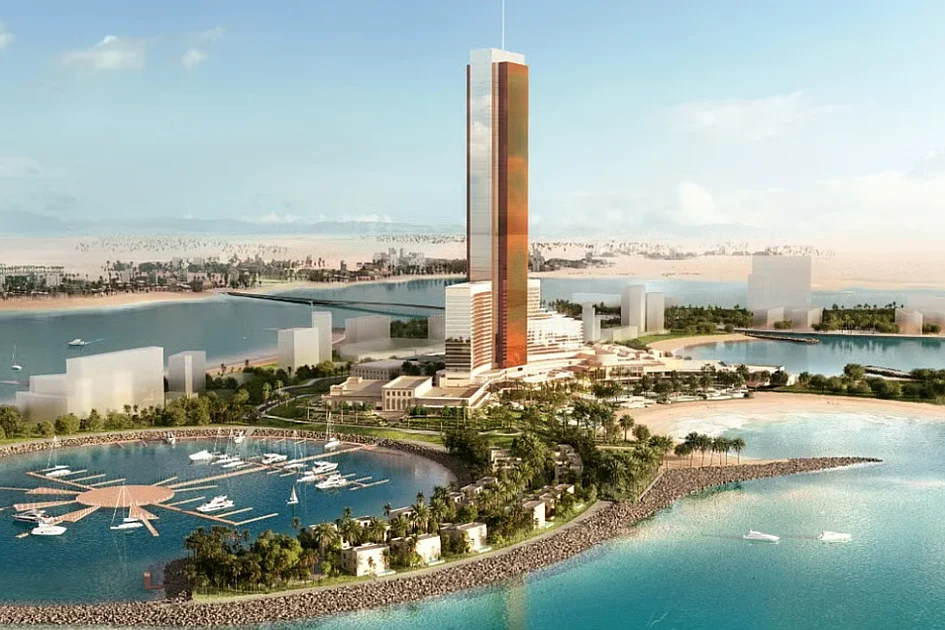
UAE: RAK’s Wynn expected to create bigger tourism boom than Macau, Singapore
Ras Al Khaimah (RAK), one of the UAE’s seven emirates, is poised to witness an unprecedented tourism boom with the launch of the Wynn Al Marjan Island Resort in 2027. According to Tariq Bsharat, Chief Strategy and Business Development Officer at Marjan Island’s top management, the project is expected to drive a 65% surge in visitor numbers in its first year, surpassing the growth rates seen in Macau and Singapore during their integrated resort launches. By 2030, RAK is projected to welcome over 5.5 million visitors annually, accounting for nearly 10% of all international tourists to the UAE. The resort’s impact will extend beyond tourism, catalyzing growth in real estate, retail, hospitality, and food & beverage sectors. Studies by Colliers and EY predict that the emirate’s population will grow from 400,000 to over 600,000 by 2030, necessitating new housing and infrastructure. Real estate prices in RAK have already surged since the project’s announcement in 2022, with off-plan apartment rates nearly tripling and villa prices rising by 92%. Bsharat emphasized that the Wynn project will not only attract visitors but also spur significant investment in hospitality and residential developments. Drawing parallels with Wynn’s successes in Macau and Singapore, Bsharat highlighted that RAK’s case is unique, as it represents the first Wynn resort in a burgeoning destination. The project is expected to position RAK as a global tourism and leisure hub, reshaping its economic and social landscape.
-
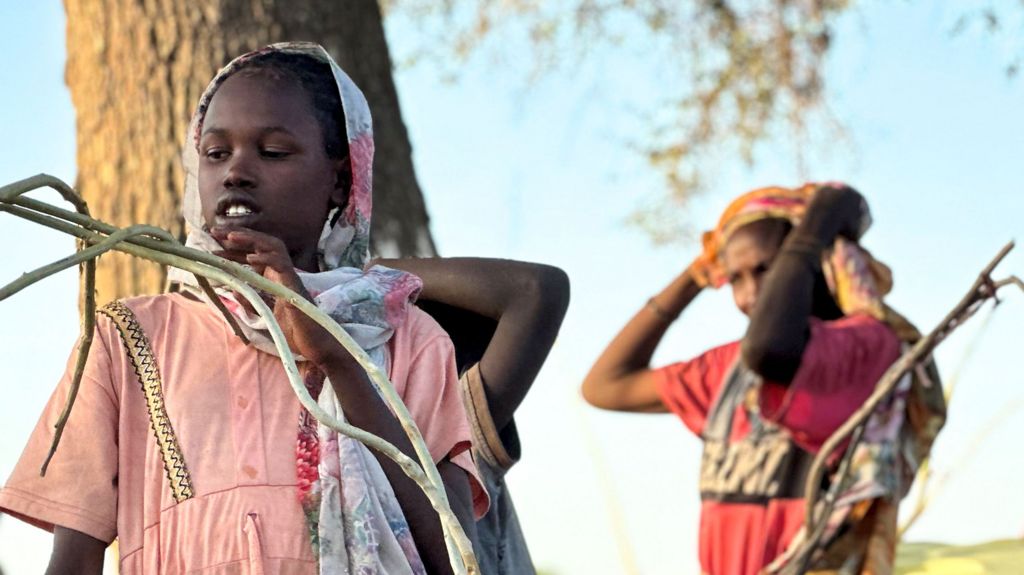
More than 60,000 flee Sudanese city after its capture by RSF militia – UN
The humanitarian crisis in Sudan has reached alarming levels as the Rapid Support Forces (RSF) consolidate control over western regions, including the strategically significant city of el-Fasher. Reports from the ground reveal harrowing conditions, with over 150,000 people trapped in el-Fasher, many suffering from severe malnutrition. Survivors of the siege have recounted witnessing executions and widespread abuse by armed militias. The RSF has denied allegations of ethnically motivated killings, but its detention of Abu Lulu, a militiaman accused of summary executions, has drawn international attention. TikTok has banned an account linked to Lulu, though it remains unclear if he personally managed it. The conflict, which erupted in April 2023 between the Sudanese army and the RSF, has claimed over 150,000 lives and displaced 12 million people, creating what the UN describes as the world’s largest humanitarian crisis. The RSF now dominates western Sudan and parts of Kordofan, while the army retains control of Khartoum and eastern regions. The two factions, once allies in a 2021 coup, have since clashed over a transition to civilian rule, plunging the nation into chaos.
-
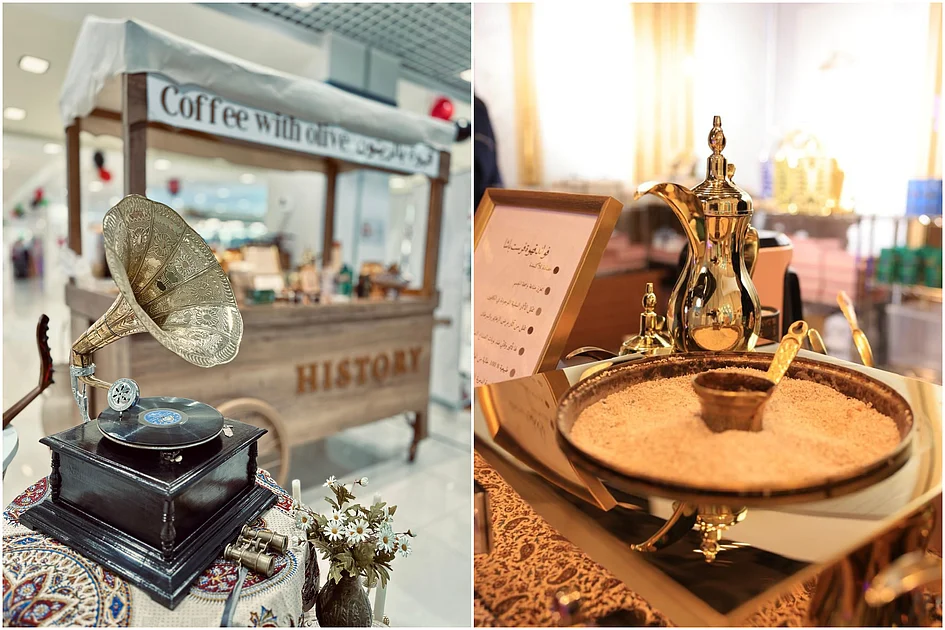
How UAE’s first olive-based coffee was brewed by mother-daughter duo
In a unique blend of tradition and innovation, the UAE has welcomed its first olive-based coffee, crafted by Emirati mother-daughter duo Nadia Al Mansouri and Huda Abdulaziz. What started as a pop-up attraction at community events has evolved into a sensation among health-conscious consumers and lovers of heritage-inspired flavors. The product, distributed under the brand History Coffee, offers a range of blends infused with hazelnut, frankincense (libaan), and even karak-style varieties, redefining the coffee experience in the region. The concept was inspired by Dr. Waleed Al Azraq, CEO of First Pasha Coffee, a Turkish-Yemeni firm that holds the patent for olive-powder coffee. Dr. Al Azraq’s vision was to merge the cultural significance of coffee with the health benefits of olives, creating a product that resonates with both tradition and modern wellness trends. The journey began after Dr. Al Azraq discovered powdered olive fruit at a Turkish agricultural exhibition. After extensive experimentation, the team achieved a perfect balance between the rich flavor of Emirati coffee and the nutritional properties of olive powder. Despite challenges in flavor balancing and regulatory approvals, the product has gained widespread recognition, both locally and internationally. Huda, a self-proclaimed coffee enthusiast, and her mother Nadia, who previously avoided coffee due to health concerns, were drawn to the product’s unique properties. Today, History Coffee is a staple at major events like ADIHEX and has expanded its offerings to include Arabic blonde coffee and other popular blends. Beyond its distinctive taste, olive coffee is celebrated for its health benefits, including antioxidant properties, heart health support, and cognitive enhancement. This Emirati-Yemeni collaboration exemplifies a growing regional appetite for innovative products that honor cultural heritage while promoting well-being.
-
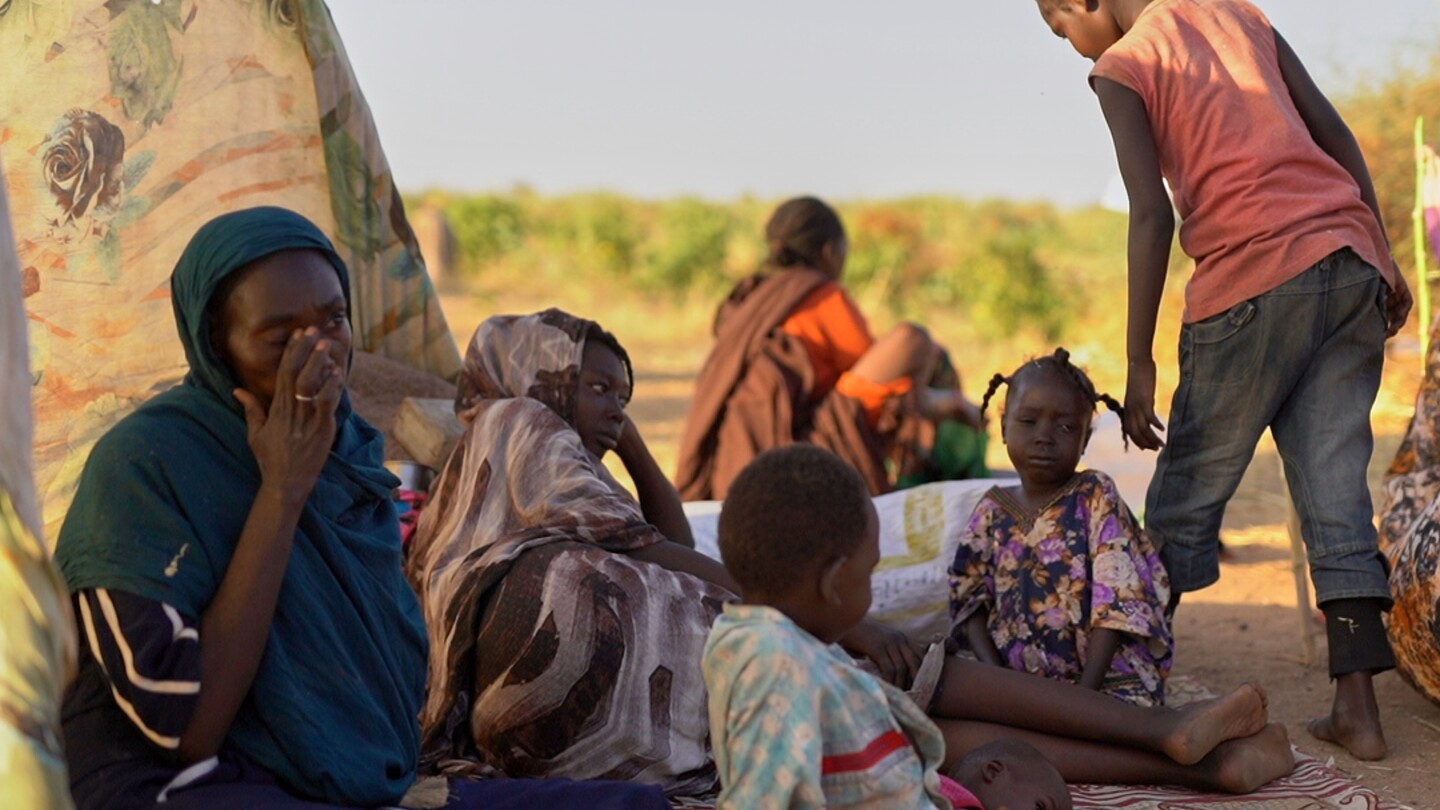
Militia attack on hospital in Darfur came in waves, WHO says
In a harrowing escalation of Sudan’s ongoing conflict, gunmen affiliated with the Rapid Support Forces (RSF) launched a brutal attack on a hospital in the Darfur region, killing at least 460 people, according to the World Health Organization (WHO). The assault, which occurred in multiple waves, involved the abduction of medical staff and the indiscriminate killing of patients and civilians seeking refuge. This atrocity marks a grim milestone in the two-year war between the RSF and Sudan’s military, which has already claimed over 40,000 lives and displaced more than 14 million people. The fall of el-Fasher, the military’s last stronghold in Darfur, signals a new phase in the conflict, raising fears of further violence and humanitarian catastrophe. Survivors recount horrifying journeys to safety, while aid groups warn of widespread famine and disease outbreaks. The RSF, a paramilitary group with roots in the Janjaweed militia, has been accused of repeated mass killings and sexual violence, particularly targeting civilians of Central and East African ethnicities. As communications remain down in el-Fasher, the full scale of the devastation is yet to be uncovered.
-
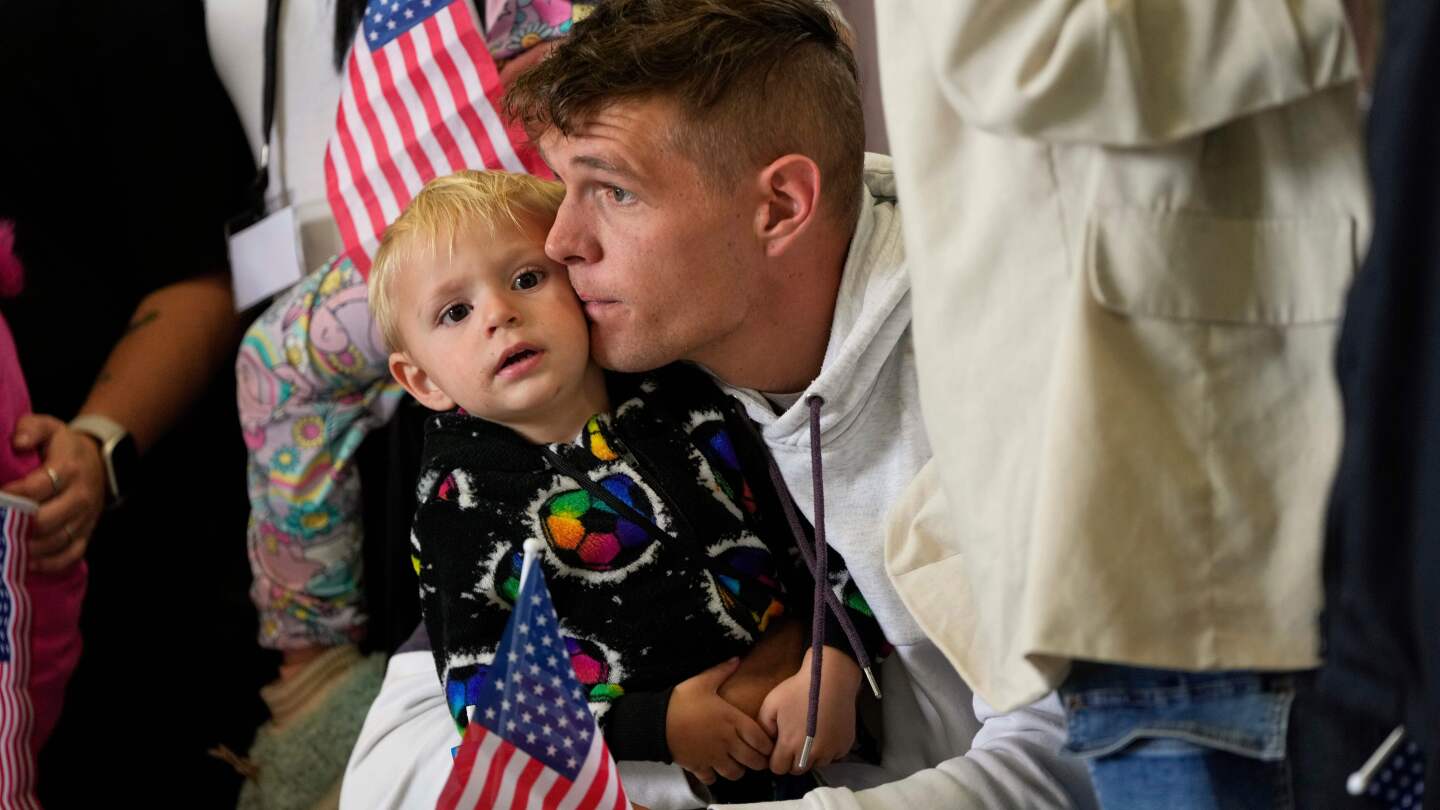
South African government criticizes Trump’s refugee policy prioritizing white Afrikaner minority
The South African government has expressed strong criticism of the United States’ recent refugee policy shift, which prioritizes Afrikaners, the country’s white minority group of Dutch descent. The Trump administration announced on Thursday a drastic reduction in the refugee admission ceiling from 125,000 to 7,500, with Afrikaners given preference. U.S. President Donald Trump has repeatedly claimed that Afrikaners face “genocide” in South Africa due to alleged persecution, discrimination, and high crime rates. This assertion has been widely discredited by experts and South African officials. The policy has further strained diplomatic relations between the two nations, with Trump suspending financial aid to South Africa and imposing high tariffs on its exports. South Africa’s Department of International Relations and Cooperation labeled the U.S. policy as deeply flawed and based on inaccurate premises. Spokesperson Chrispin Phiri emphasized that the claim of “white genocide” lacks credible evidence and undermines South Africa’s constitutional processes. The policy has sparked controversy within South Africa, with many Afrikaners rejecting the notion of needing asylum. A group of prominent Afrikaners, including politicians and activists, published an open letter opposing the idea of race-based refugee status, arguing that humanitarian policy should focus on vulnerability rather than race. However, some Afrikaner groups, like AfriForum, have raised concerns about safety and discriminatory policies, though they do not endorse the “genocide” claim. While the exact number of applicants remains unclear, 59 white South Africans were granted asylum in the U.S. in May, marking a contentious chapter in U.S.-South Africa relations.