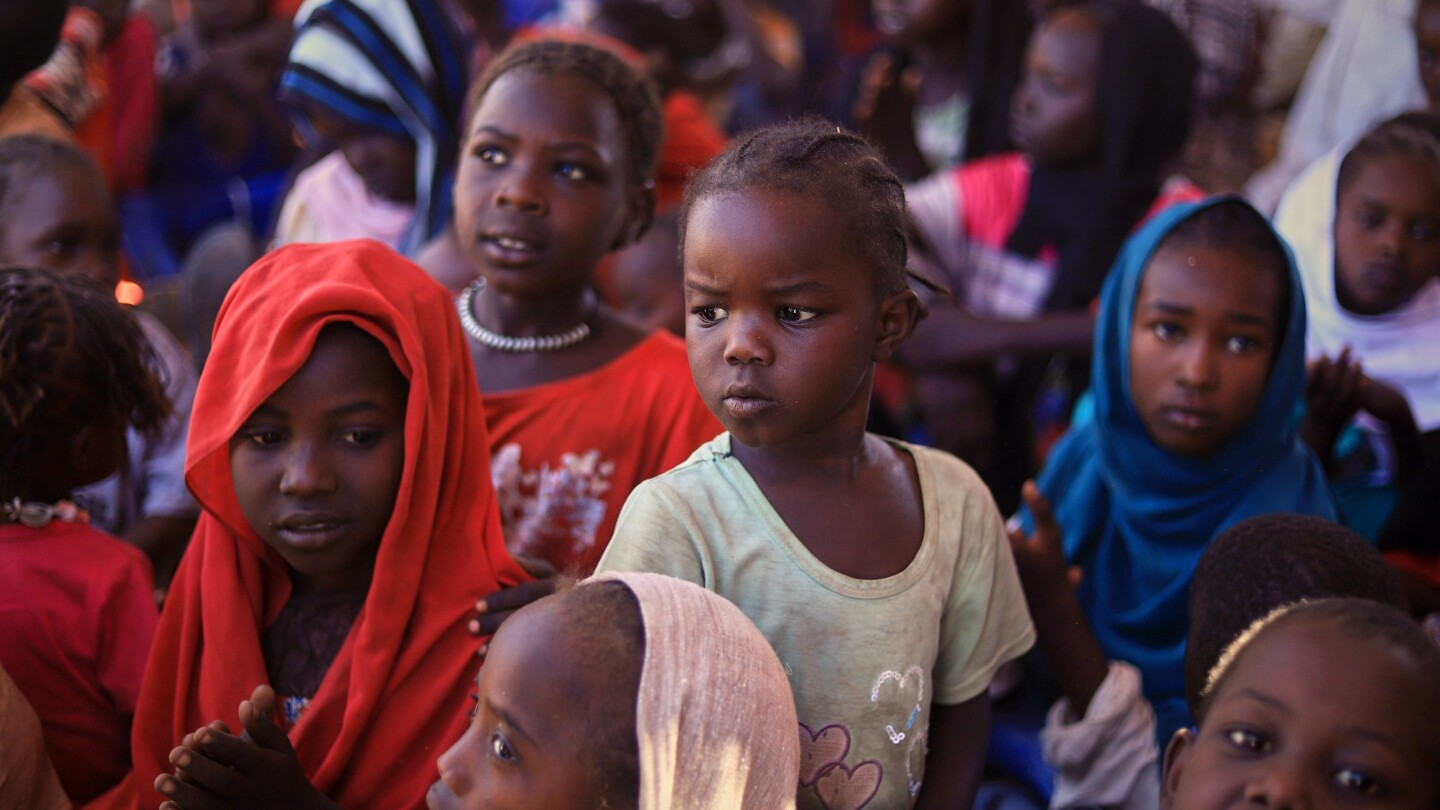
The ongoing conflict in Sudan has taken a devastating turn as the Rapid Support Forces (RSF), a paramilitary group, launched a deadly attack on the city of el-Obeid, the capital of North Kordofan province. Local media reports indicate that at least 40 civilians were killed, with dozens more injured, during a drone strike targeting a funeral service on Monday. The United Nations Office for the Coordination of Humanitarian Affairs (OCHA) has expressed grave concern over the deteriorating humanitarian situation in the region, though it did not explicitly name the perpetrators of the attack. This incident is part of a broader escalation of violence that has engulfed Sudan since the RSF and the national military began clashing in 2023, following the collapse of a democratic transition agreement. The conflict has claimed over 40,000 lives and displaced 12 million people, according to the World Health Organization (WHO). Additionally, the World Food Program (WFP) reports that more than 24 million Sudanese are facing acute food insecurity, with famine conditions emerging in areas like el-Fasher and Kadugli. The RSF has been accused of committing widespread atrocities, including systematic killings, sexual violence, and attacks on healthcare workers. In a recent assault on the town of Bara, the Sudan Doctors Network reported that at least 47 people, including nine women, were killed. Survivors and satellite imagery have corroborated accounts of mass killings and human rights violations, despite the RSF’s denials. The international community continues to monitor the crisis, with humanitarian agencies warning of catastrophic consequences if the violence persists.
标签: Africa
非洲
-
Two Gurus, One Message: Gurudwara Guru Nanak Darbar Dubai celebrates faith, freedom, and humanity
Gurudwara Guru Nanak Darbar Dubai, the first official Sikh temple in the Gulf region, is set to celebrate the 556th birth anniversary of Guru Nanak Dev Ji, the founder of Sikhism, with grandeur and devotion. The festivities, spanning November 5 and 9, 2025, will include continuous kirtan (devotional singing), paath (scriptural readings), and Guru Ka Langar (community meals), welcoming devotees and visitors of all faiths and nationalities. This spiritual and architectural landmark in the UAE embodies the timeless message of Guru Nanak Dev Ji: “Recognise all of humanity as one.”
The celebrations will commence at dawn with Nitnem (daily prayers), followed by Asa ki Vaar and Sukhmani Sahib Paath, setting a serene tone for the day. Later in the month, on November 25 and 30, the Gurudwara will observe the 350th Shaheedi Diwas (martyrdom day) of Guru Tegh Bahadur Sahib Ji, the ninth Sikh Guru, revered as the “Protector of India” and “The Universal Protector.” Special prayers and kirtans will honor his legacy, with Guru Ka Langar served continuously.
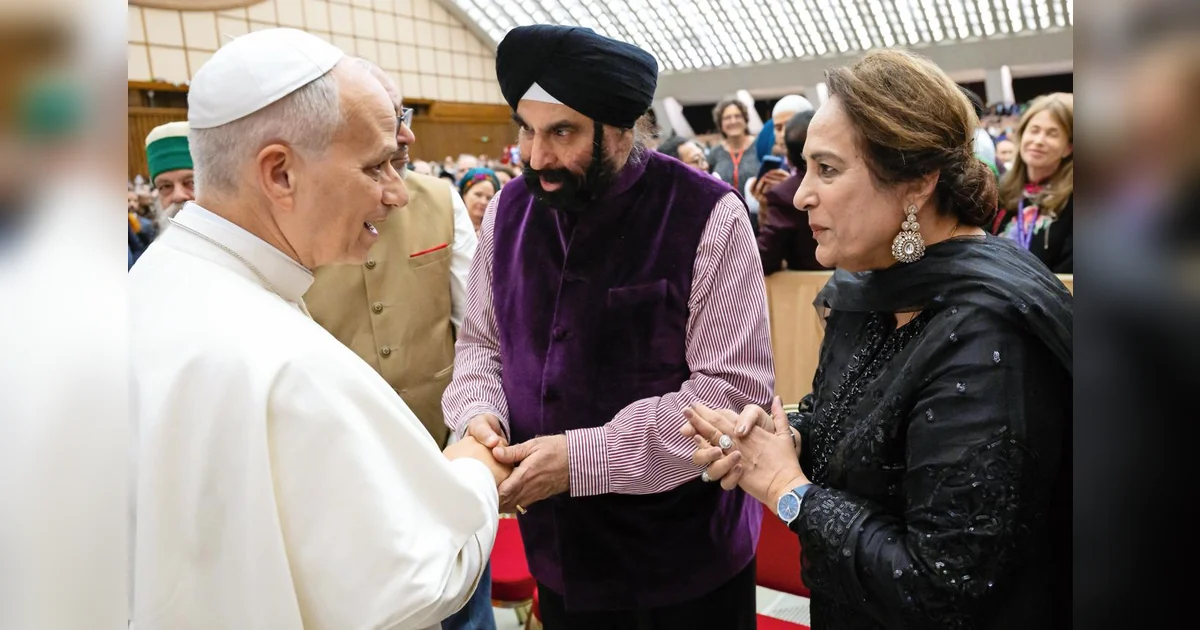
Adding a significant dimension to this year’s celebrations, the Dicastery for Interreligious Dialogue, Vatican City, and the Apostolic Nunciature of the UAE extended heartfelt greetings and blessings to the Sikh community on Guru Nanak Prakash Diwas. Their message, titled “Christians and Sikhs: Promoting Fraternity Together in the Spirit of Nostra Aetate,” emphasized shared values of peace, love, and fraternity. This gesture symbolizes a growing bridge of friendship between the Sikh and Christian communities, rooted in mutual respect and humanitarian ideals.
The Vatican’s message holds special significance as it coincides with the 60th anniversary of Nostra Aetate, a landmark declaration by the Second Vatican Council that transformed interreligious relations. Dr Surender Singh Kandhari and Dr Bubbles Kandhari, representing Gurudwara Guru Nanak Darbar Dubai, participated in the anniversary celebrations in Rome, highlighting the Gurudwara’s global role in promoting dialogue, compassion, and mutual respect.
Dr Surender Singh Kandhari remarked, “These sacred occasions remind us that true faith lies in service, sacrifice, and compassion for all.” Dr Bubbles Kandhari added, “The essence of faith is compassion in action. At Gurudwara Guru Nanak Darbar Dubai, we strive to live these teachings daily through seva (selfless service), humility, and love for all humanity.”
As divine hymns echo through its halls this November, Gurudwara Guru Nanak Darbar Dubai continues to exemplify the vision of the Sikh Gurus—unity, harmony, and service to humanity.
-
‘Beacon of hope’: Ugandans find inspiration in Mamdani’s win and ask if they can do the same
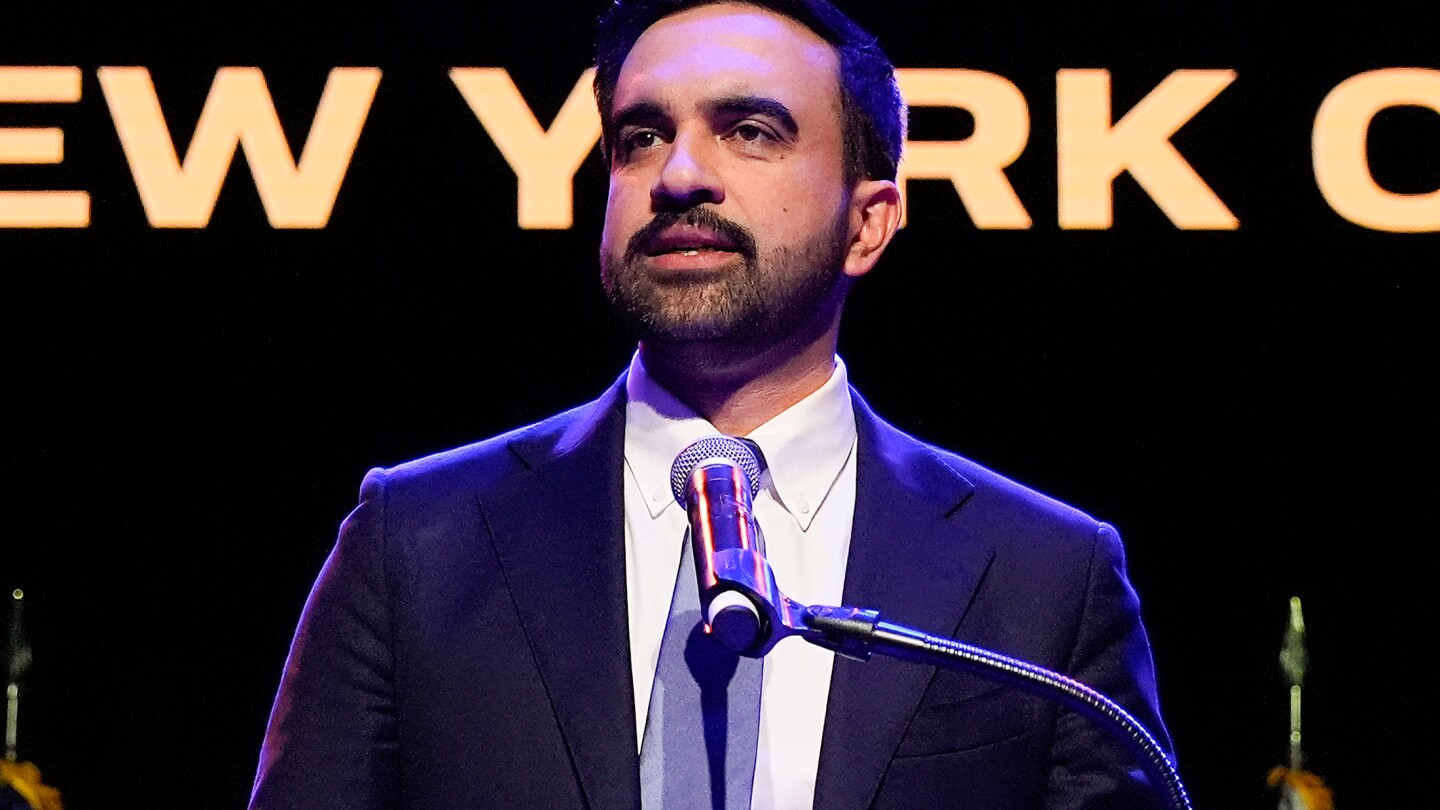
The recent victory of Ugandan-born Zohran Mamdani in the New York mayoral race has been hailed as a significant political milestone, offering inspiration to many in Uganda, though some view it as a distant achievement. Joel Ssenyonyi, an opposition leader in Uganda’s Parliament, acknowledged the symbolic importance of Mamdani’s win, stating, “It’s a big encouragement even to us here in Uganda that it’s possible. But we have a long way to get there.” Uganda, where Mamdani was born in 1991, has been under the rule of President Yoweri Museveni for nearly four decades, with opposition leaders struggling to challenge his authoritarian regime. Museveni, who is seeking reelection in January, has resisted calls for retirement, raising concerns about the country’s political stability. His main challenger, 43-year-old entertainer Bobi Wine, alleges electoral fraud in the 2021 election. Mamdani, who briefly lived in Uganda before moving to South Africa and later the United States, retains Ugandan citizenship despite becoming a naturalized U.S. citizen in 2018. His father, Mahmood Mamdani, a prominent political theorist and critic of Museveni’s government, has significantly influenced his political outlook. In his recent book, “Slow Poison,” the elder Mamdani critiques the legacies of Museveni and former dictator Idi Amin, arguing that both leaders relied on violence to maintain power. Mamdani’s victory in New York has been seen as a beacon of hope for Ugandan activists, particularly the youth. Robert Kabushenga, a retired media executive and family friend, described Mamdani as an unconventional leader who “follows a tradition of very honest and clear thinkers.” Mamdani’s campaign, which focused on progressive policies like free city buses, child care, and rent freezes, has been both celebrated and criticized. Despite the challenges, his success serves as a reminder of the potential for young people to shape politics. As Ssenyonyi noted, “Mamdani is Ugandan-born, like us. It inspires us.”
-
Violence intensifies in Sudan’s North Darfur: UN
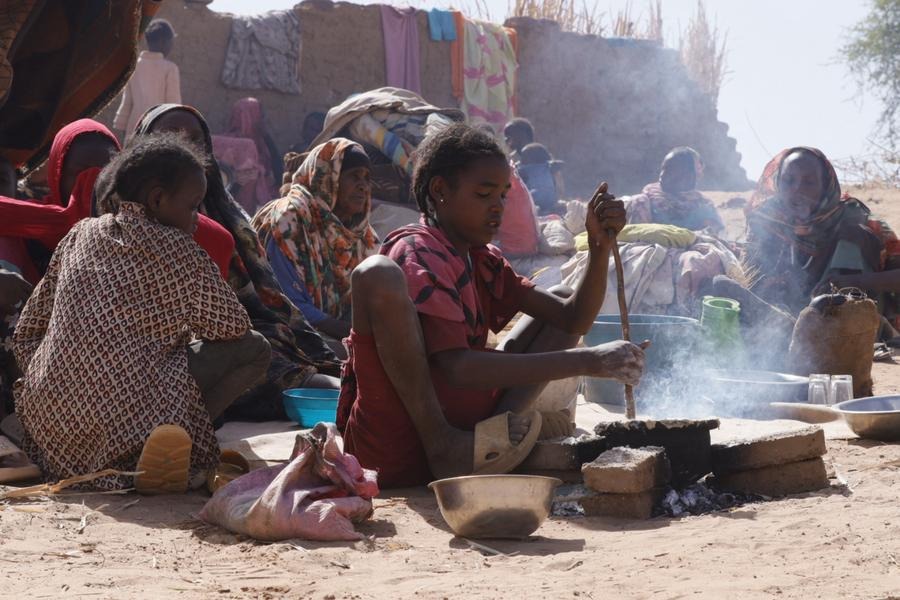
The humanitarian crisis in Sudan’s North Darfur region has deepened as violence escalates following the capture of the state capital, El Fasher, by the Rapid Support Forces. According to the United Nations Office for the Coordination of Humanitarian Affairs (OCHA), multiple air and drone strikes were reported in El Fasher, Tina, and Wana Mountain on Sunday, exacerbating the already dire situation. Local sources have cited civilian casualties, though OCHA has been unable to verify these reports due to restricted access and communication challenges in the affected areas. The World Health Organization (WHO) Director-General, Tedros Adhanom Ghebreyesus, condemned the recent attack on the Kernoi Pediatric and Maternity Hospital in North Darfur, which resulted in at least four deaths and three injuries. He emphasized the urgent need to halt attacks on healthcare facilities globally. Despite the perilous conditions, the UN and its partners are delivering critical aid, including therapeutic feeding and vitamin supplementation programs, while also ensuring safe deliveries and emergency care for pregnant women through mobile clinics. Meanwhile, the security situation in Sudan’s Kordofan region has also deteriorated, with at least 40 civilians killed and dozens injured in an attack on a funeral gathering in El Obeid, the capital of North Kordofan state. OCHA has reiterated its call for an immediate cessation of hostilities and for all parties to protect civilians and adhere to international humanitarian law.
-
Anti-migrant group ordered to stop blocking foreigners from South African healthcare
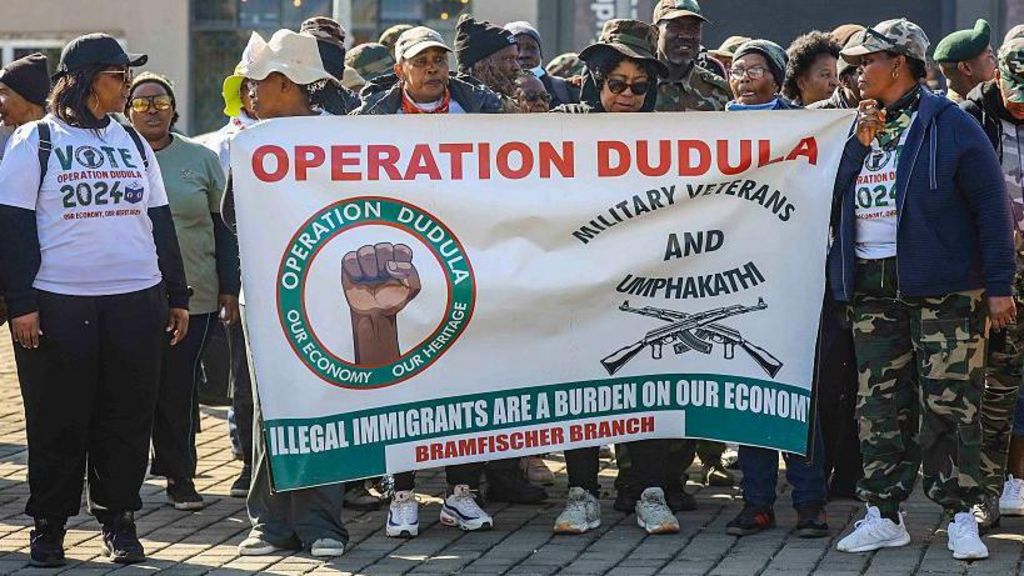
A South African court has issued a landmark ruling against Operation Dudula, an anti-migrant group, ordering it to cease obstructing foreign nationals from accessing public health facilities and schools. The Johannesburg High Court declared such actions illegal, emphasizing that the group must stop intimidating, harassing, or interfering with individuals seeking these essential services. Operation Dudula, whose name translates to ‘remove by force’ in Zulu, has been actively picketing hospitals, clinics, and schools in Gauteng and KwaZulu-Natal provinces, demanding identity checks and barring non-South Africans from entry. The court also prohibited the group from making hate speech, unlawfully evicting foreign nationals from their homes or trading stalls, and inciting others to do so. South Africa, home to approximately 2.4 million migrants—about 4% of its population—has long grappled with xenophobia, which has occasionally erupted into violent outbreaks. The ruling comes amid rising anti-migrant sentiment, which has become a contentious political issue. Operation Dudula has expressed disappointment with the verdict and plans to appeal. The case highlights the ongoing tension between migrant communities and local populations in a nation historically reliant on migrant labor from neighboring countries like Lesotho, Zimbabwe, and Mozambique.
-
Morocco declares public holiday to mark UN approval of its Western Sahara plan
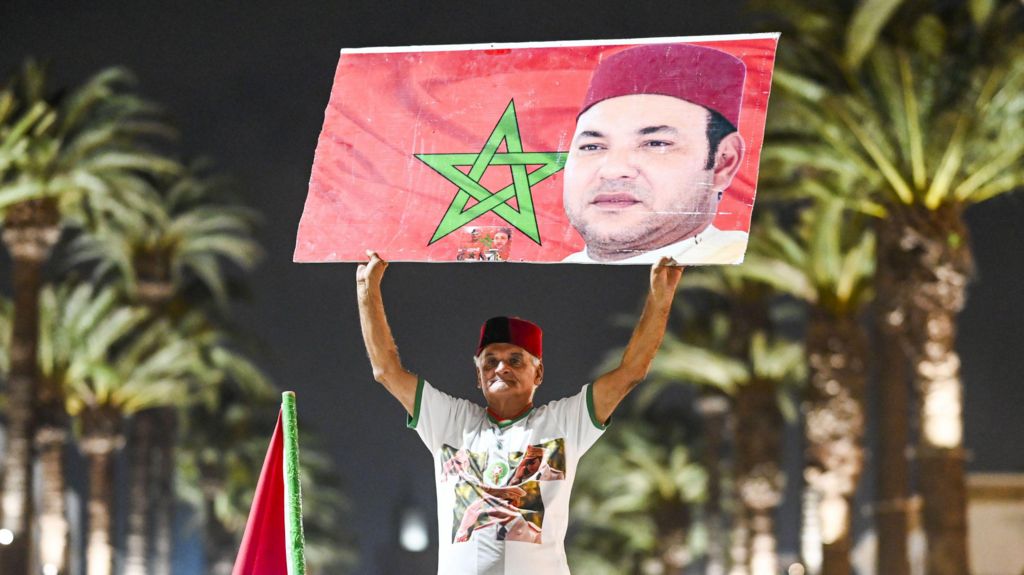
In a landmark decision, the United Nations Security Council has officially endorsed Morocco’s sovereignty over the disputed Western Sahara region. The resolution, passed on Friday, describes genuine autonomy under Moroccan rule as the ‘most feasible solution’ to the decades-long conflict. This move has been celebrated by Morocco, which has declared October 31 as a national holiday, Unity Day, to commemorate the occasion and honor the nation’s ‘territorial integrity and national unity.’ The US, a key sponsor of the resolution, led 11 countries in voting in favor, while Russia, China, and Pakistan abstained, and Algeria opposed the measure. The resolution also extended the mandate of the UN peacekeeping force, MINURSO, for another year. Western Sahara, a phosphate-rich coastal desert, has been a contentious territory since Spain relinquished control in 1975. Morocco annexed the region, but the Polisario Front, backed by Algeria, has long fought for the independence of the Sahrawi people. Despite various ceasefires in the 1990s, the underlying dispute remains unresolved. The African Union recognizes Western Sahara’s independence, but several nations, including the US, UK, and major European powers, have recently supported Morocco’s stance. A UN-brokered referendum to determine the region’s future has been repeatedly delayed due to disagreements over voter eligibility.
-
As world leaders enter climate talks, people in poverty have the most at stake
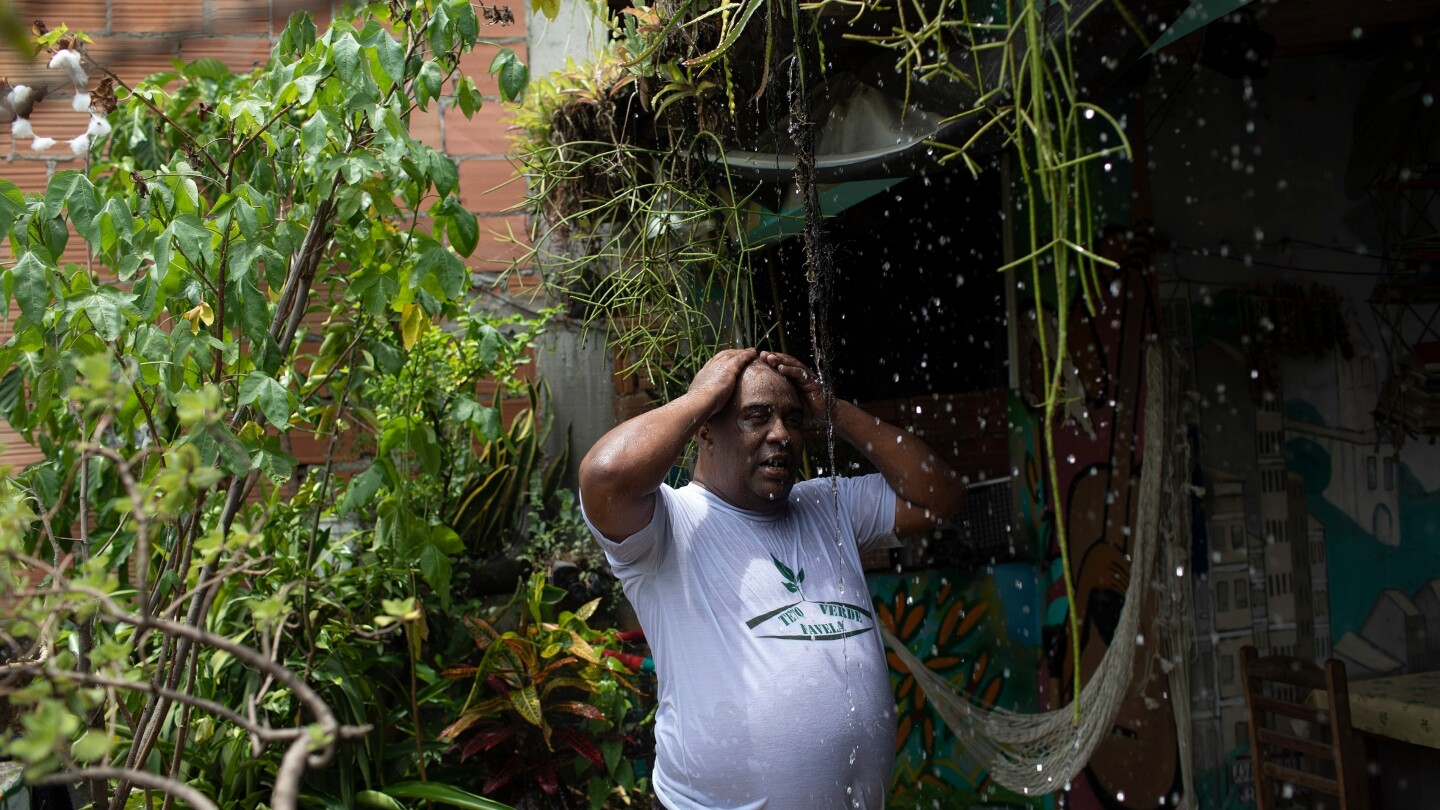
In the Arara neighborhood of northern Rio de Janeiro, summer heatwaves are becoming increasingly severe, leaving residents like Luis Cassiano, a 30-year resident, deeply concerned. Despite having air conditioning, Cassiano often cannot rely on it due to frequent power outages caused by an overloaded system. His green roof, installed a decade ago, provides some relief, keeping his home up to 15 degrees Celsius cooler than his neighbors’. However, the relentless heat remains a significant challenge. ‘The sun in the summer nowadays is scary,’ Cassiano remarked. As world leaders gather in Brazil for climate talks, the plight of communities like Arara underscores the urgent need for action. Poorer areas are more vulnerable to extreme weather and less equipped to cope with its impacts. Effective climate solutions require not only pledges to reduce emissions but also the political will and financial resources to implement them. The United Nations estimates that 1.1 billion people worldwide live in acute poverty, making climate adaptation a critical issue. The choice of Belem, a relatively poor city, to host these talks has been praised for highlighting the intersection of climate change and poverty. Inger Andersen, executive director of the U.N. Environment Programme, noted that Belem represents the reality for the majority of the global population affected by climate change. Even in wealthy countries, the poor face significant climate risks. A U.N. Development Programme report found that 82% of people living in poverty in highly developed countries are exposed to climate hazards such as extreme heat, drought, floods, and air pollution. Carter Brandon, a senior fellow at the World Resources Institute, emphasized that poverty exacerbates vulnerability to climate change, as those affected often lack the resources to relocate or rebuild after disasters. Agriculture is particularly at risk, with crop yields expected to decline significantly in poorer countries. Heriberto Tapia of the UNDP highlighted Africa as a major concern, with over 500 million people in poverty relying on agriculture for their livelihoods. Ismahane Elouafi of CGIAR noted that while technology could help, many farmers cannot afford it. Despite the urgency, some experts are skeptical that COP30 will deliver the necessary funding. Brazilian officials hope that hosting the talks in Belem will remind negotiators of the daily struggles faced by millions due to climate change. However, Kimberly Marion Suiseeya of Duke University expressed doubts about the likelihood of rapid action emerging from the conference. Pedro Conceição of the UNDP stressed that poverty reduction and climate action are interconnected, rejecting the notion that they are separate issues. Bill Gates has called for a shift in focus from emissions reduction to alleviating human suffering, particularly in poor countries. Conceição argued that climate change is not a distant problem but a present reality that must be addressed alongside poverty.
-
Innovation for living, working and thriving: The era of people-centred smart cities
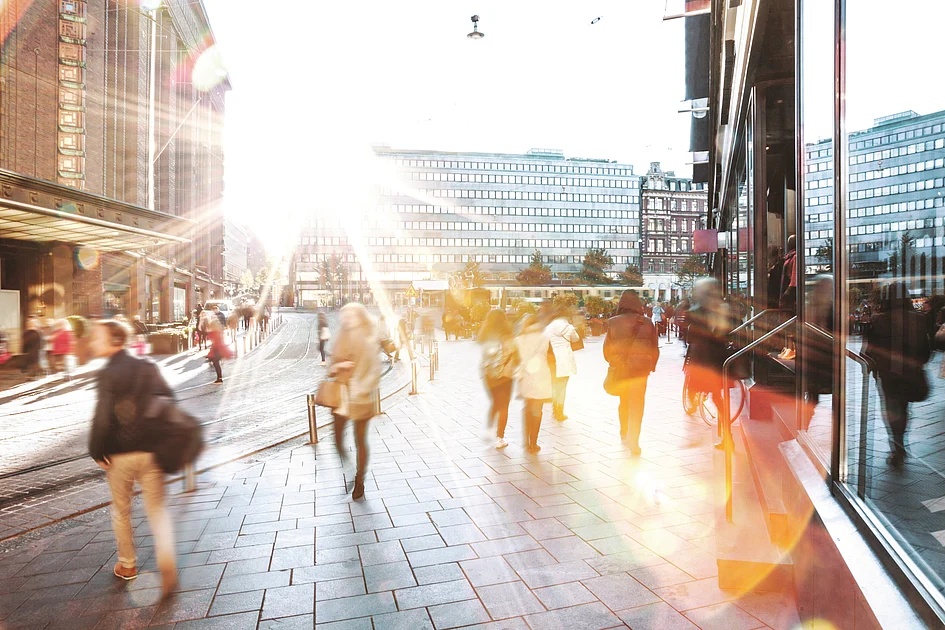
As urban populations surge globally, the concept of smart cities has emerged as a critical solution to enhance livability, safety, and sustainability. With Africa’s urban population projected to double to 1.4 billion by 2050 and the Gulf Cooperation Council (GCC) region expecting a 30% increase by 2030, the need for innovative urban planning has never been more urgent. Governments and city planners are turning to technology to create people-centered smart cities that prioritize the well-being of residents while addressing operational challenges. Egypt’s national Smart Cities Strategy and the Middle East and North Africa (MENA) region’s leadership in sustainable urban development exemplify this trend. These initiatives leverage IoT, smart solutions, and data-driven decision-making to improve public safety, mobility, and environmental monitoring. For instance, network cameras and sensors enhance situational awareness, reduce traffic congestion, and monitor air quality. However, the integration of technology raises concerns about privacy and ethical data usage. Smart city solutions must balance security with privacy, employing features like dynamic privacy masks, encryption, and access controls. The future of smart cities lies in collaboration with trusted vendors and integrators, ensuring the development of reliable, long-term solutions. By fostering innovation while safeguarding fundamental rights, smart cities aim to create safe, secure, and sustainable urban environments for future generations.
-
The Chinese advantage: Redefining the global mobility spectrum
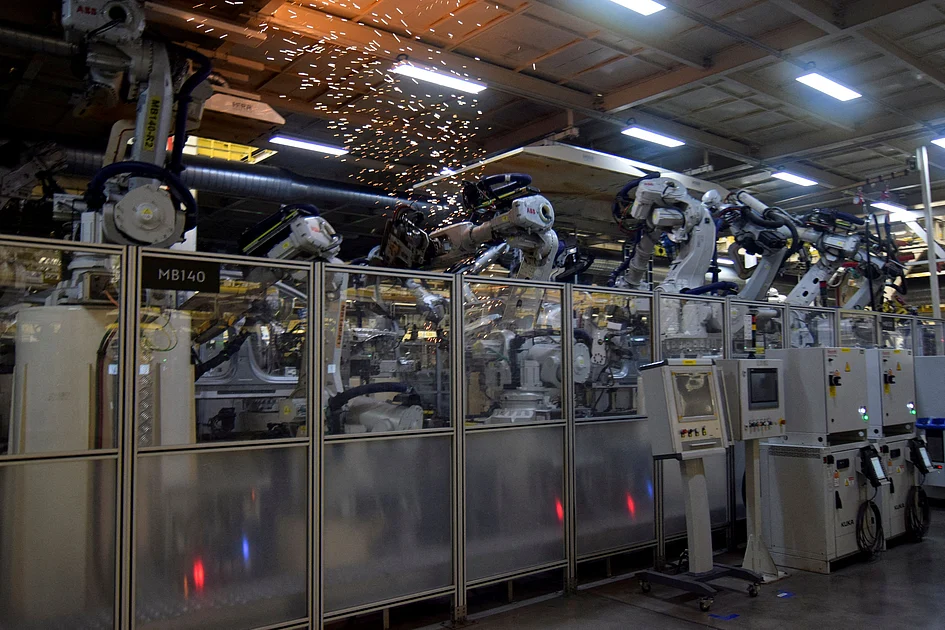
Over the past decade, China has transitioned from being labeled ‘the world’s factory’ to becoming a global leader in innovation, particularly in the mobility sector. Chinese automakers are now not only competing with established Western and Japanese brands but are also redefining global expectations across all segments, from mass-market to luxury vehicles. This transformation is driven by a strategic blend of industrial policy, technological investment, and a profound understanding of consumer behavior. What sets China apart is not just its massive production scale but its comprehensive automotive vision, which consistently delivers quality, performance, and innovation. At the mass-market level, Chinese brands have successfully integrated premium features with cutting-edge technology. Touchscreen displays, over-the-air updates, and connected mobility services have become standard, redefining the concept of value in the electric mobility era. Consumers now prioritize efficiency, connectivity, and sustainability, and Chinese OEMs have made electric mobility accessible to a broad audience while maintaining profitability. In the premium segment, Chinese automakers have shifted from imitation to original innovation. Leveraging strengths in artificial intelligence, data analytics, and software integration, they are enhancing the user experience with advanced digital ecosystems, personalized interfaces, and AI-driven features. Premium vehicles are now defined more by intelligence and connectivity than by traditional luxury. Chinese manufacturers are aligning with this trend, offering products that combine digital sophistication with refined design, setting new industry benchmarks. At the luxury level, China’s automotive vision is characterized by sustainability and design excellence. High-end electric vehicles showcase an elevated aesthetic that blends advanced materials, elegant minimalism, and powerful performance. These vehicles aim to embody a forward-thinking philosophy, appealing to discerning consumers who value environmental awareness and innovation. Chinese manufacturers are producing vehicles that combine high performance with zero-emission technology, offering premium interiors with intelligent systems and silent power. One of China’s greatest advantages lies in its integrated industrial ecosystem. Automakers, battery manufacturers, software developers, and smart factories operate within a collaborative framework that accelerates research, reduces costs, and enables rapid deployment of new technologies and products. The domestic market, with millions of connected vehicles, serves as a large-scale testing ground that generates valuable data and insights. This feedback loop allows Chinese automakers to refine products continuously, respond quickly to market trends, and deliver solutions that meet evolving global standards. The Chinese automotive industry is no longer following global trends; it’s setting them. From advanced battery technologies and faster charging systems to intelligent operating platforms and sustainable production, China is defining the next era of mobility. The global automotive landscape is undergoing a shift in influence, with innovation increasingly originating from China. By uniting innovation across all market tiers, the Chinese automotive industry is not just adapting to the future of mobility but actively shaping it. As global consumers and businesses re-evaluate what drives the industry forward, it is evident that the momentum of change and opportunity increasingly originates from China, spanning every level of the mobility spectrum.
-
Dubai’s branded residences boom: Sector matures with 48,000+ units and rising global prestige
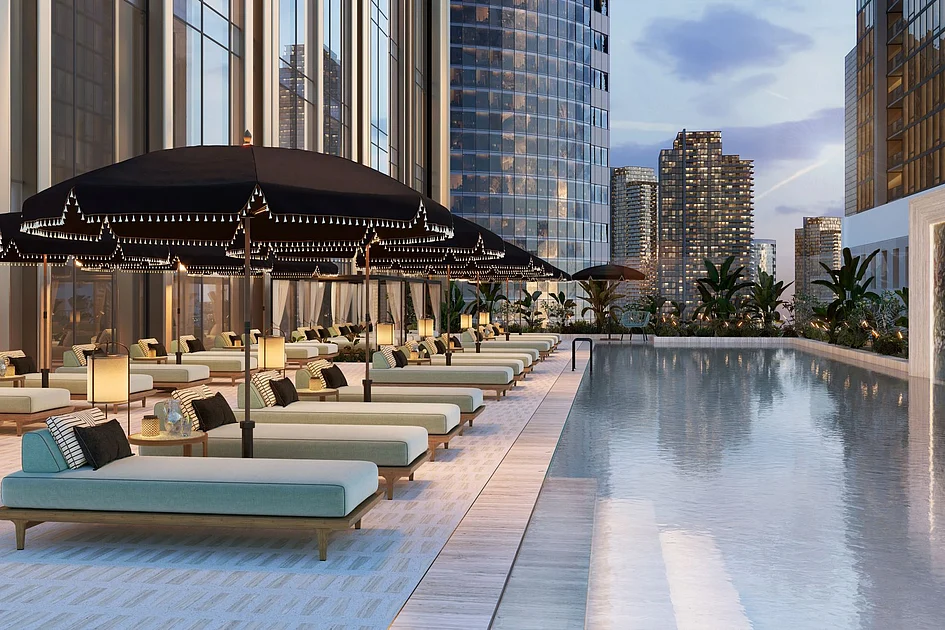
Dubai’s branded residences have transformed from a niche market to a globally recognized asset class, solidifying their position as a cornerstone of the city’s luxury real estate sector. As of the first half of 2025, the emirate boasts an impressive 48,474 branded units across 144 developments, with 12 new projects adding over 5,500 units in just six months. This growth has propelled Dubai to the forefront of the branded residential market, surpassing traditional luxury hubs such as Miami, London, and New York. Despite a slight decline in transaction volume, the total value of branded residence sales surged by 37% year-on-year, driven by demand for ultra-prime properties and larger investments. These residences command an average price premium of 40–60% over non-branded units, with flagship developments like Bugatti Residences fetching up to 160% more. Dubai’s appeal to high-net-worth individuals (HNWIs), its tax-free environment, and long-term residency incentives have fueled this growth. Over 9,800 millionaires are expected to migrate to the UAE in 2025 alone, further boosting demand for homes that blend five-star hospitality with residential comfort. The recent launch of Hilton Residences Jumeirah Lakes Towers (JLT) by Emirates Developments and Hilton exemplifies this trend. The 38-floor tower offers 396 units, including studios, apartments, and exclusive sky villas, all infused with Hilton’s renowned service and lifestyle programming. Johnathan Wingo, Global Head of Real Estate & Residential Programs at Hilton, emphasized the project’s significance, stating, ‘We are proud to bring our century-long legacy into Dubai’s thriving residential market, offering residents a lifestyle experience on par with the world’s finest destinations.’ Located in JLT’s Cluster F, the development places residents at the intersection of Dubai’s cultural, financial, and leisure hubs. Its architecture, described as a ‘vertical sculpture of glass and light,’ mirrors the city’s elegance, while interiors draw inspiration from desert hues and evening calm. Abduljbar Elnatour, Commercial Director at Emirates Developments, highlighted the project’s unique appeal, stating, ‘We bring the dream of living in a hotel to the heart of Dubai.’ The branded residence model is also evolving, with standalone projects—those not linked to operating hotels—now accounting for one-third of completed developments in Dubai. This shift offers developers greater flexibility and buyers more privacy while maintaining brand prestige and premium services. Looking ahead, Hilton plans to expand its footprint across the UAE, with Dubai potentially becoming the first city to host all twelve of its branded residence brands. With robust investor appetite, rising premiums, and a pipeline of over 140 projects slated for delivery by 2031, Dubai’s branded residences sector is not just growing—it’s setting the global standard.