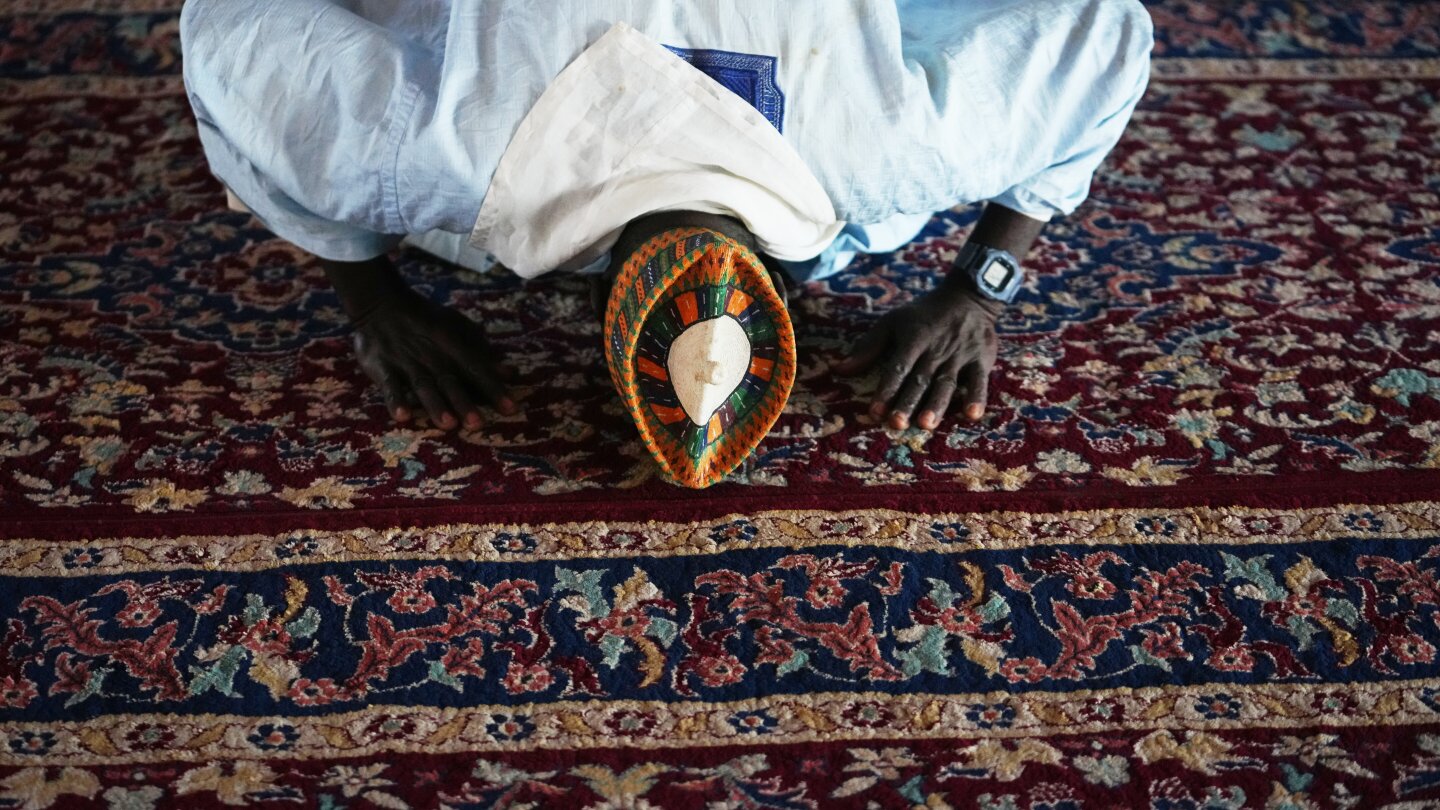
Northern Nigeria has been engulfed in a prolonged security crisis, marked by widespread violence that has drawn international attention. U.S. President Donald Trump has specifically criticized Nigeria for what he describes as the “killing of Christians” by “radical Islamists.” While victims and church leaders affirm that Christians face persecution, many experts and residents argue that the situation is more complex. The violence, they say, spares no one, regardless of religious affiliation.
标签: Africa
非洲
-
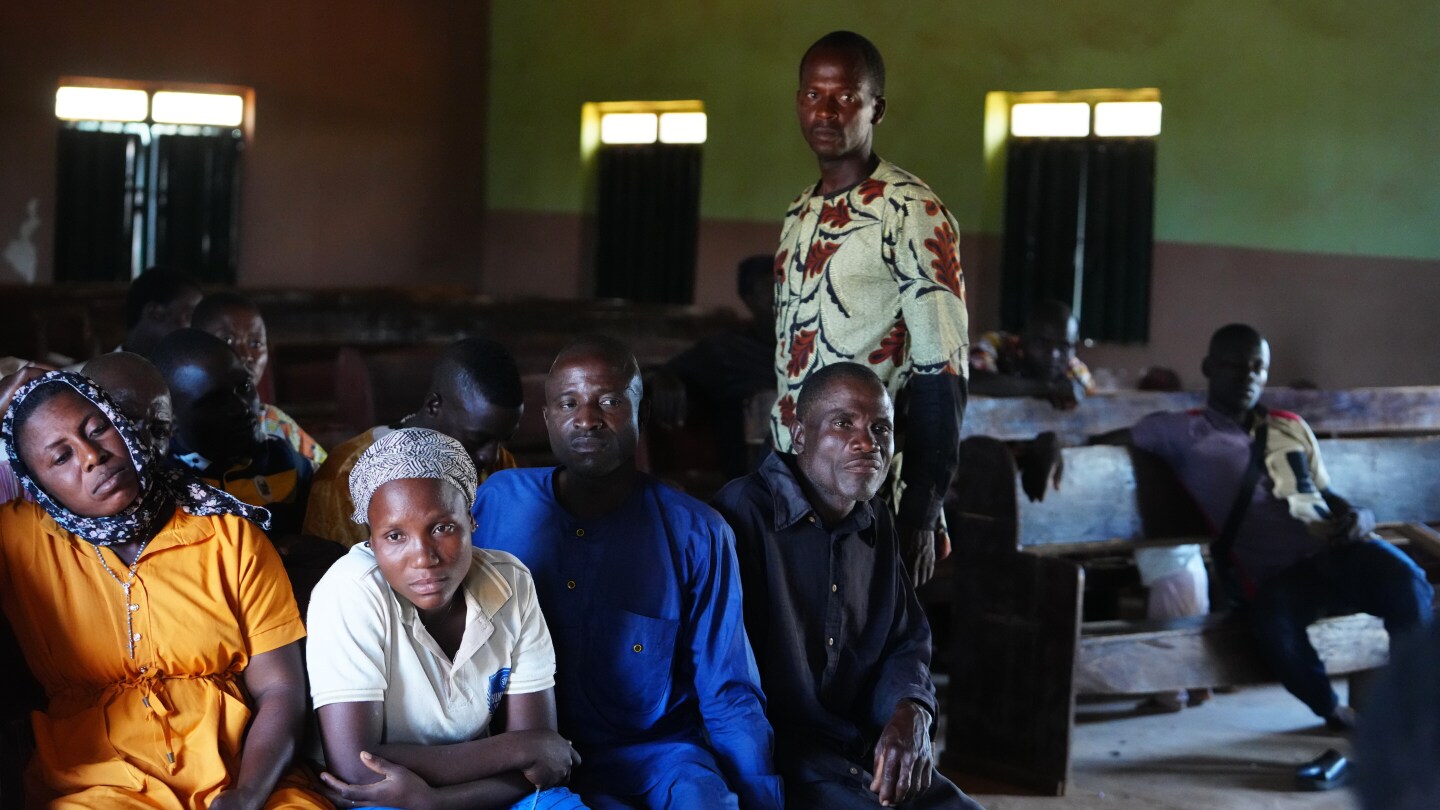
In the violence plaguing Nigeria, many say everyone — Christian or Muslim — is a potential victim
In the remote village of Ligari, nestled in Nigeria’s northwestern Kaduna state, a harrowing incident unfolded during a church service in November 2024. Armed gunmen on motorcycles stormed the gathering, firing indiscriminately and abducting at least 62 individuals, including the pastor and several children. The hostages were forcibly marched into the bush, enduring a grueling two-day trek to a forest hideout, where they were held captive for nearly a month. Families, desperate for their loved ones’ release, sold farmland, livestock, and motorcycles to meet the kidnappers’ ransom demands. The hostages faced severe deprivation, with little food or sleep, and were pressured to renounce their Christian faith. Tragically, two hostages were killed during the ordeal. Four survivors recounted their experiences to The Associated Press, highlighting the trauma and resilience of their community. This attack is emblematic of the broader security crisis plaguing Nigeria’s north, where violence has become a grim reality for many. Just days after the Ligari incident, gunmen abducted 25 schoolgirls from a boarding school in Kebbi, killing at least one staff member. The pervasive violence has left nearly every household in Ligari mourning a lost or abducted relative. While U.S. President Donald Trump has framed the crisis as a targeted persecution of Christians by radical Islamists, local voices and experts paint a more complex picture. Many argue that the violence is indiscriminate, affecting both Christians and Muslims alike. Abdulmalik Saidu, a Muslim resident of Zamfara state, recounted how his brother was killed during a highway kidnapping, emphasizing that the attackers’ primary motive is financial gain rather than religious ideology. Similarly, Imam Idris Ishaq of Kaduna shared the loss of multiple family members to violence, underscoring the shared suffering across faiths. Nigeria’s security challenges are exacerbated by rampant corruption, inadequate law enforcement, and porous borders that facilitate the flow of weapons to criminal gangs. In the northeast, Boko Haram and its offshoots continue their insurgency, while in the northwest, rogue gangs terrorize villages and farming communities. The Ligari community, located just 20 kilometers from Kaduna’s capital, remains vulnerable due to its remote location and lack of security infrastructure. Despite the dire circumstances, some villagers have struck deals with gangs to access their farmlands, a testament to their desperation. The Nigerian government’s failure to address the crisis has drawn criticism, with some viewing Trump’s threat of military intervention as a potential catalyst for change. However, analysts caution that the situation requires nuanced solutions, as the violence transcends religious divides and reflects deeper systemic issues. As Nigeria grapples with this ongoing crisis, the resilience of its people remains a beacon of hope amidst the darkness.
-
Oil prices steady after loadings resume at Russian export hub
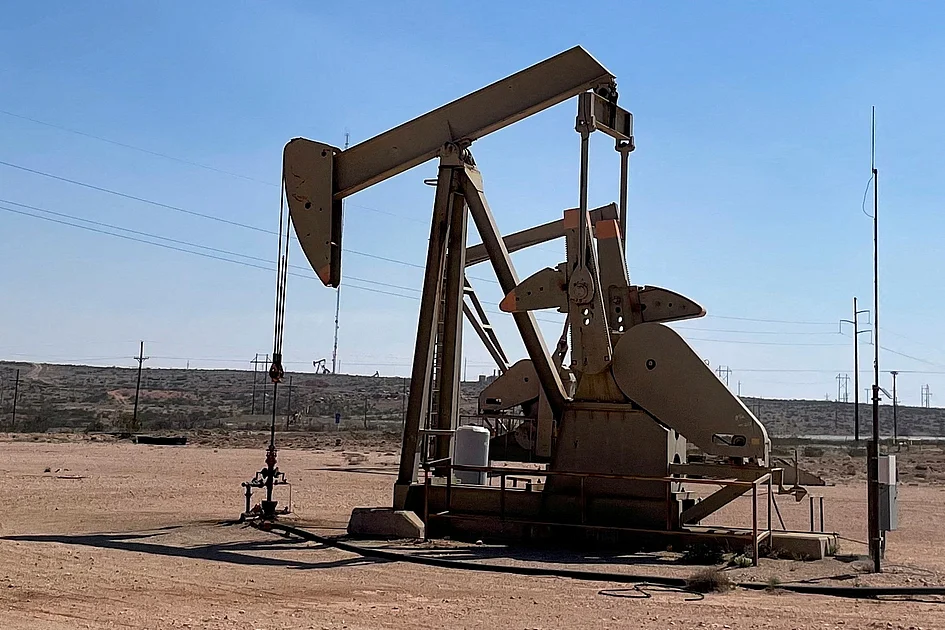
Oil prices remained relatively stable on Monday following the resumption of loadings at Russia’s Novorossiysk export hub, which had been temporarily halted due to a Ukrainian attack. Brent crude saw a marginal decline of 8 cents, settling at $64.31 per barrel, while U.S. West Texas Intermediate (WTI) crude dipped by 10 cents to $59.99. The Novorossiysk port, a critical Black Sea facility, resumed operations on Sunday after a two-day suspension that disrupted approximately 2% of global oil supply. The pause had initially caused a 2% surge in oil prices on Friday, but the market quickly adjusted as operations normalized. However, concerns persist over Ukraine’s continued targeting of Russian oil infrastructure, including recent strikes on the Ryazan and Novokuibyshevsk refineries. Analysts are closely monitoring the long-term impact of these attacks on Russia’s crude exports, alongside the effects of Western sanctions. The U.S. has imposed sanctions on Russian oil companies Lukoil and Rosneft, effective November 21, aiming to pressure Moscow into peace negotiations. Additionally, OPEC+ has maintained its December output target increase of 137,000 barrels per day, consistent with October and November levels, while pausing further increases in the first quarter of 2026. Despite these developments, the oil market faces ongoing volatility due to geopolitical risks and fluctuating global supply. Speculators have increased net long positions in ICE Brent, reflecting cautious optimism amid supply uncertainties. Analysts predict that oil prices will remain supported, with potential dips in the near term but a more positive outlook for the latter half of 2026.
-
Gunmen kidnap 25 schoolgirls in northwestern Nigeria
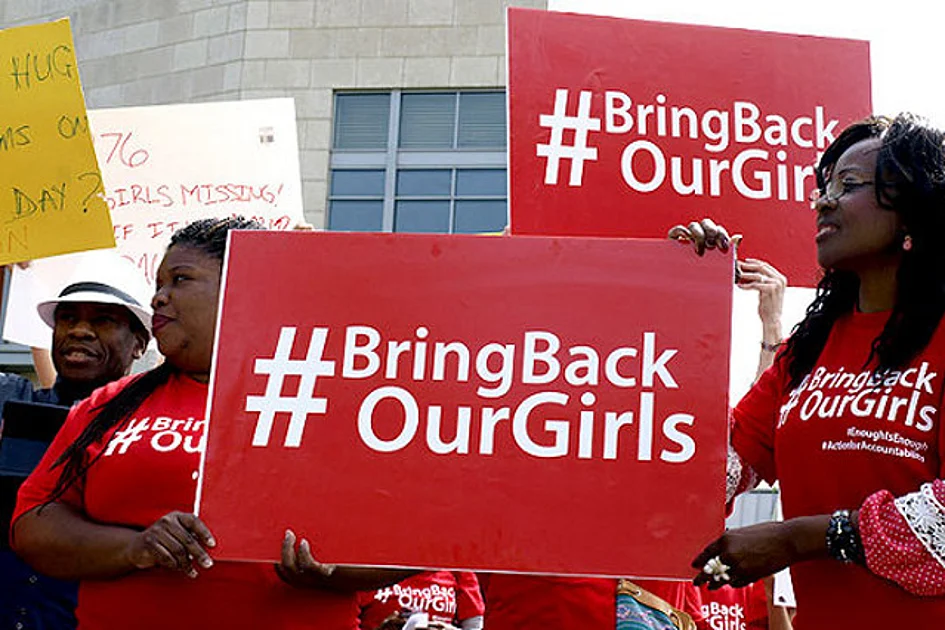
In a harrowing early morning raid on Monday, gunmen from a criminal gang stormed the Government Girls Comprehensive Secondary School in Kebbi state, northwestern Nigeria, kidnapping 25 schoolgirls and killing a staff member. Armed with sophisticated weapons, the assailants breached the school’s defenses, abducting the students and fleeing to an unknown location. The attack has reignited fears of a spiraling kidnapping crisis in Nigeria, reminiscent of the infamous 2014 Chibok abduction, where 276 girls were taken by Boko Haram insurgents. Police, military units, and local vigilantes have launched a manhunt to rescue the abducted students and apprehend the perpetrators. This incident marks the second mass school abduction in Kebbi in four years, following a 2021 attack where over 100 students and staff were taken. The region has become a hotspot for kidnappings, with heavily armed gangs exploiting the security vacuum to terrorize communities. Despite efforts by authorities to negotiate peace deals and deploy vigilante groups, the kidnapping crisis continues to escalate, leaving families and communities in despair. Nigeria’s northwest, plagued by armed violence and banditry, remains the epicenter of this growing humanitarian and security crisis.
-
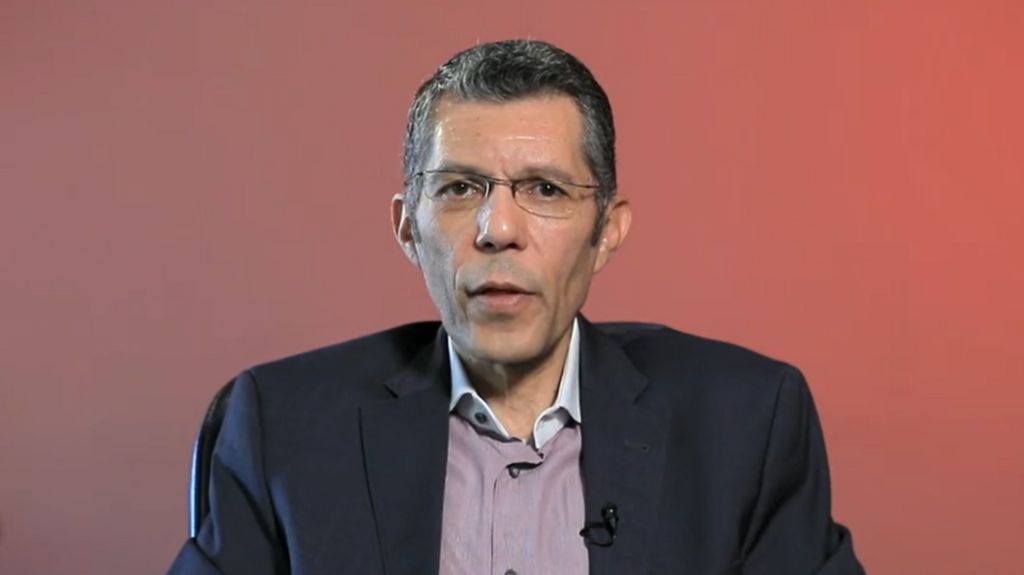
The Egyptian green tech firm looking to cut energy bills
In a groundbreaking move towards sustainable energy solutions, the Egyptian green technology company Saving System has unveiled a cutting-edge device designed to significantly reduce electricity consumption for businesses. This innovative technology promises to help companies slash their energy bills while contributing to environmental conservation. The device, developed after extensive research and testing, targets inefficiencies in energy usage, offering a practical and cost-effective solution for industries grappling with rising energy costs. As global attention shifts towards renewable energy and carbon footprint reduction, Saving System’s invention positions Egypt as a key player in the green tech revolution. The company’s initiative aligns with international efforts to combat climate change and promote sustainable development. Industry experts have lauded the innovation, noting its potential to transform energy management practices across various sectors. With energy efficiency becoming a critical concern worldwide, Saving System’s device could pave the way for a more sustainable and economically viable future.
-

Italy fans brace for more Fifa World Cup playoff drama
Italian football fans are grappling with a sense of déjà vu as their national team faces yet another World Cup playoff challenge. The Azzurri, four-time world champions, suffered a humiliating 4-1 defeat to Norway in their final qualifier at San Siro, dashing hopes of direct qualification for the 2026 World Cup in North America. The loss leaves Italy with the daunting task of navigating the playoffs in March to avoid missing the tournament for a third consecutive time.
-
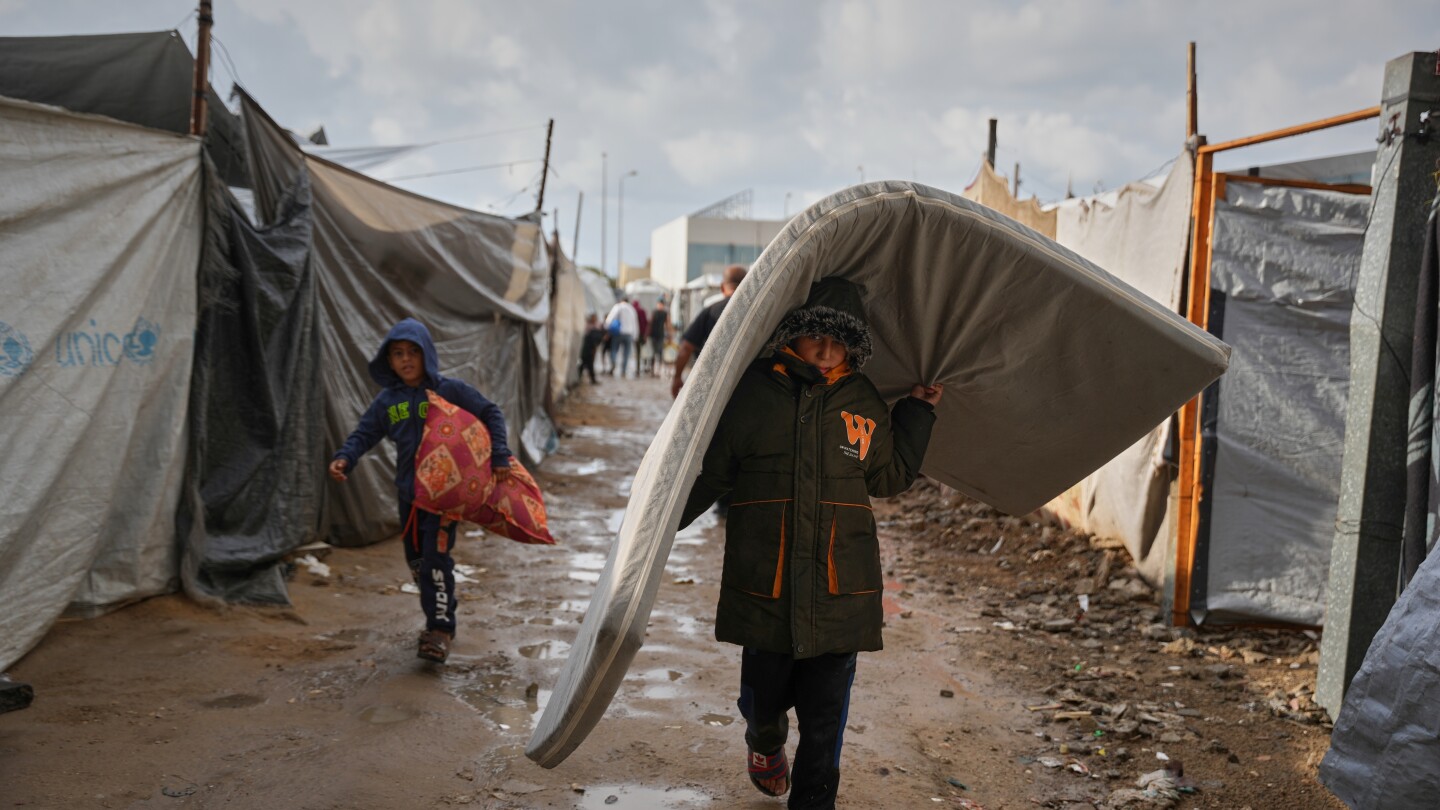
South Africa foreign minister says charter flights part of a plan to clear Palestinians out of Gaza
South Africa’s Foreign Minister Ronald Lamola has raised suspicions over a chartered flight that arrived in Johannesburg last week carrying more than 150 Palestinians, suggesting it is part of a broader agenda to displace Palestinians from Gaza and the West Bank. The flight, which originated from Israel’s Ramon Airport with a stopover in Kenya, has sparked concerns about a coordinated effort to relocate Palestinians globally. Lamola did not explicitly name Israel but implied its involvement, stating, “It does look like it represents a broader agenda to remove Palestinians from Palestine into many different parts of the world.” The Israeli authority responsible for civilian policies in Palestinian territories clarified that the passengers left Gaza with approval from a third country, as part of a policy allowing residents to depart. However, the third country was not disclosed. South African President Cyril Ramaphosa has ordered an intelligence investigation into the matter, emphasizing the government’s opposition to such flights. The passengers, including families and a heavily pregnant woman, were initially denied entry due to improper documentation but were later allowed to disembark after a 12-hour delay. South Africa, a longstanding supporter of the Palestinian cause, has criticized Israel’s actions, with civic groups alleging ties between the flight’s organizer, Al-Majd, and Israel. An anonymous Israeli military official confirmed Al-Majd’s role in arranging the transport, while a South African NGO noted this was the second such flight in recent weeks. The incident has reignited debates over Israel’s resettlement policies and their implications for Palestinian rights.
-
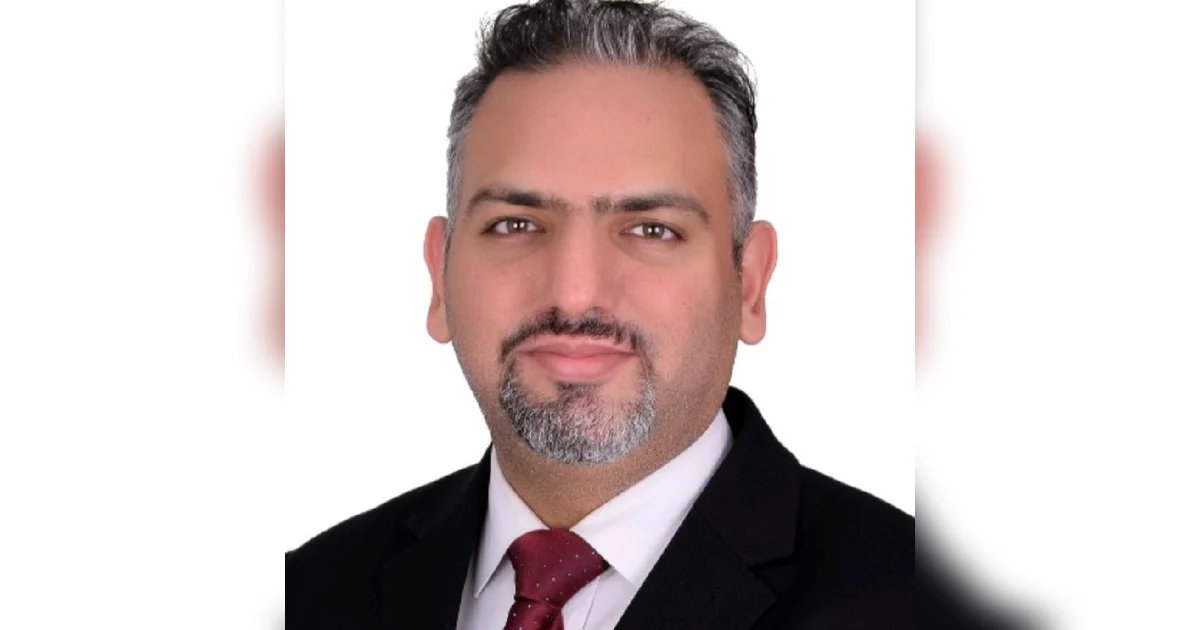
Traders Hub strengthens UAE’s trading ecosystem with focus on client experience and market expansion
The United Arab Emirates (UAE) is witnessing a significant transformation in its financial landscape, driven by the rapid adoption of digital trading and a shift toward diversified, technology-driven investment portfolios. Industry experts highlight a surge in online trading activity, fueled by fintech advancements, enhanced accessibility, and growing trust in the nation’s regulatory frameworks. Technological innovations, such as the UAE Pass digital identity system and efficient payment gateways, are simplifying access to global markets and accelerating trade execution, reshaping the trading experience for both retail and institutional investors. The Securities and Commodities Authority (SCA) plays a pivotal role in this evolution, ensuring robust regulatory frameworks and strengthening investor protection. This regulatory maturity has attracted both local and international firms to expand their offerings, solidifying the UAE’s position as a leading financial hub in the region. Among the key players is Traders Hub, a UAE-regulated brokerage that emphasizes digital efficiency and accessibility. Hafez Baker, COO of Traders Hub, notes that modern investors demand transparency, diversification, and seamless access to global markets. Brokerages across the UAE are responding by expanding their product suites, offering over 5,000 global instruments, including forex, equities, ETFs, indices, and commodities. This diversification enables investors to strategically manage risk and capitalize on global opportunities in real time. Market analysts believe that this shift toward technology-enabled diversification and client-centric infrastructure is enhancing the UAE’s competitiveness in global finance. With regulatory stability, innovative platforms, and broader market access, the UAE’s trading ecosystem is poised for sustained growth and deeper investor engagement.
-
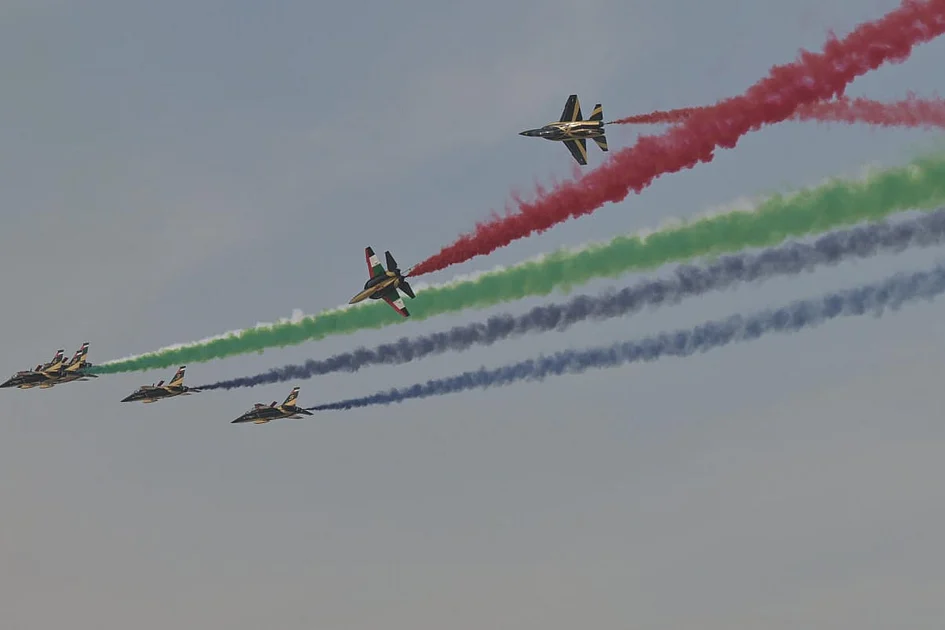
Look: UAE flag colours sky at Dubai Airshow 2025 as crowds wowed by flying displays
The Dubai Airshow 2025 kicked off in grand style on November 17, captivating audiences with an array of breathtaking aerial performances. The event, held at Dubai World Central, featured 19 teams and aircraft types on its opening day, making it one of the busiest schedules in the airshow’s history. The lineup included national aerobatic teams, military formations, next-generation fighters, and commercial aircraft, offering a diverse and thrilling experience for attendees. The skies were painted with the colours of the UAE flag as Fursan Al Emarat, the national aerobatic team, performed a stunning vertical climb, releasing trails of red, white, black, and green smoke. The Emirates A380 also made a dramatic low pass, drawing gasps and applause from the crowd. Adding to the excitement, a flying taxi made its debut in the flying programme, signaling a leap toward future mobility solutions. Sheikh Mohammed bin Rashid Al Maktoum, Vice President, Prime Minister, and Ruler of Dubai, graced the event, emphasizing the UAE’s pivotal role in advancing the aerospace industry. The airshow continues to showcase cutting-edge technologies and innovations, solidifying Dubai’s position as a global hub for aviation and aerospace.
-
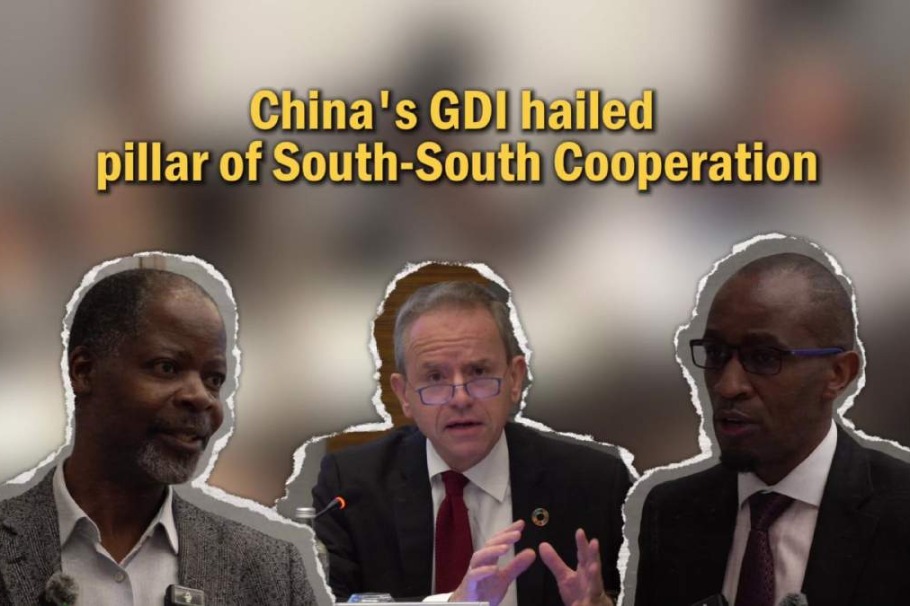
China’s GDI hailed pillar of South-South Cooperation
Experts from Kenya have lauded China’s Global Development Initiative (GDI), introduced four years ago, for its pivotal role in advancing equitable and inclusive growth while strengthening South-South cooperation. The initiative, which has garnered international attention, is being recognized as a cornerstone in fostering collaborative development among nations in the Global South. By prioritizing shared prosperity and sustainable development, the GDI has facilitated partnerships that address global challenges such as poverty, inequality, and climate change. Kenyan analysts highlighted the initiative’s alignment with the United Nations’ Sustainable Development Goals (SDGs), emphasizing its potential to bridge development gaps and promote mutual benefits. The GDI’s emphasis on inclusivity and innovation has also inspired other nations to adopt similar frameworks, further solidifying its impact on international development efforts. As South-South cooperation gains momentum, China’s initiative is increasingly viewed as a model for fostering global solidarity and progress.