标签: Africa

非洲

  • 2 former South African apartheid police officers are convicted of killing an activist 38 years ago

    2 former South African apartheid police officers are convicted of killing an activist 38 years ago

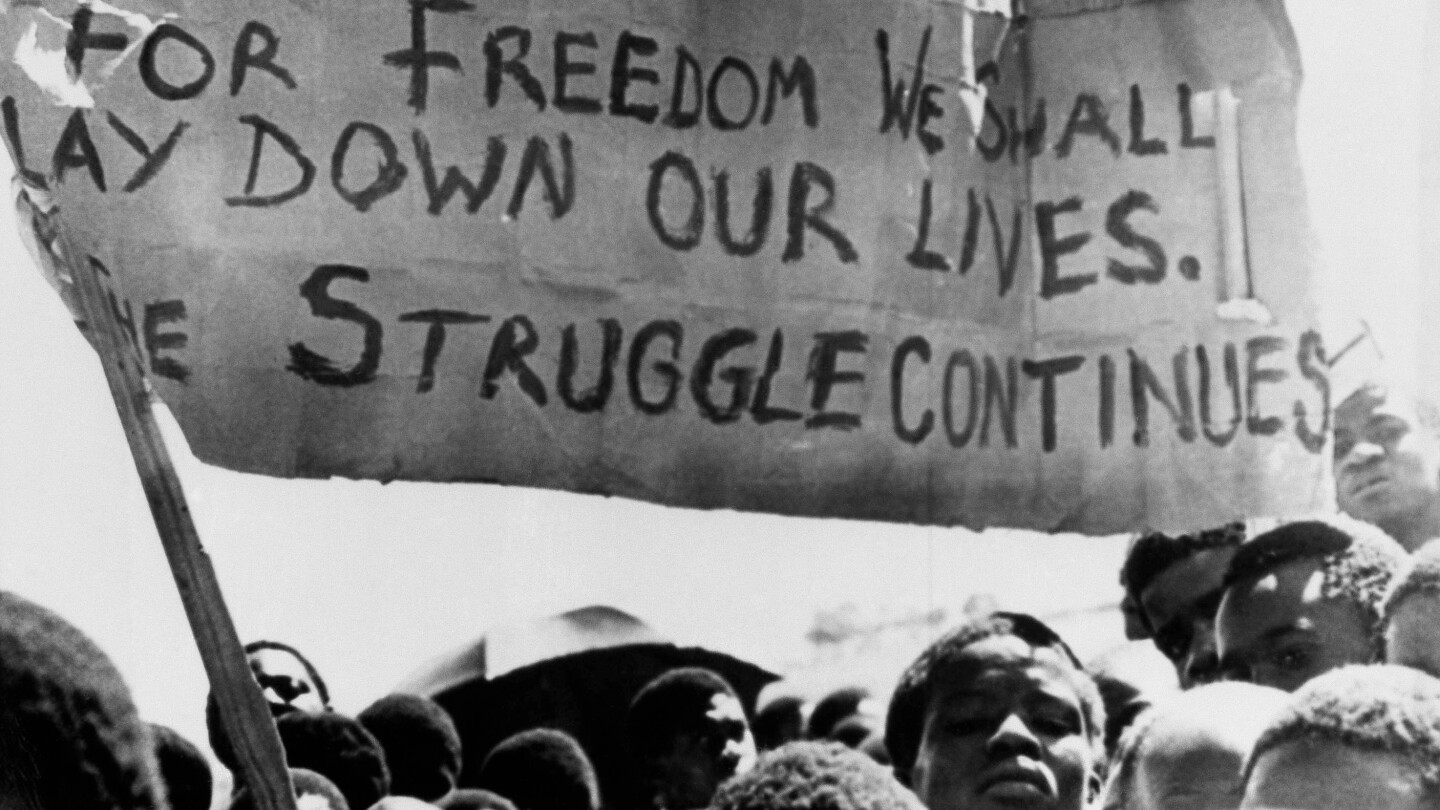
    In a landmark ruling that addresses historical injustices, two former apartheid-era police officers in South Africa have been found guilty of the 1987 murder of anti-apartheid activist Caiphus Nyoka. The Gauteng High Court in Johannesburg delivered the verdict on Tuesday, convicting Abraham Engelbrecht and Pieter Stander, both in their sixties, while acquitting a third former officer.

    The case, which remained unresolved for over three decades, was reopened following a stunning public confession in 2019 by former Reaction Unit member Johan Marais. Marais pleaded guilty to Nyoka’s killing and received a 15-year prison sentence last July.

    Court documents and a 1988 pathology report reveal the brutal nature of Nyoka’s death. The student leader was shot at least twelve times when police units stormed his family home before dawn. Forensic evidence indicates he was initially shot while sitting up in bed, with subsequent shots fired into his chest, arms, and hands after he had fallen.

    During apartheid, authorities cleared the officers of wrongdoing by claiming self-defense—a common tactic used to conceal political assassinations. The case was examined by South Africa’s Truth and Reconciliation Commission in 1997, but no perpetrators came forward at that time.

    This conviction occurs amidst renewed efforts to address apartheid-era crimes. Recent developments include a October ruling that anti-apartheid leader Albert Luthuli was beaten to death by security police in 1967, contradicting the original finding of a train accident. Authorities have also announced new investigations into the 1977 death of Steve Biko and potential obstruction of justice by post-apartheid governments.

  • Nigeria’s president nominates ex-military chief for defense minister weeks after he was forced out

    Nigeria’s president nominates ex-military chief for defense minister weeks after he was forced out

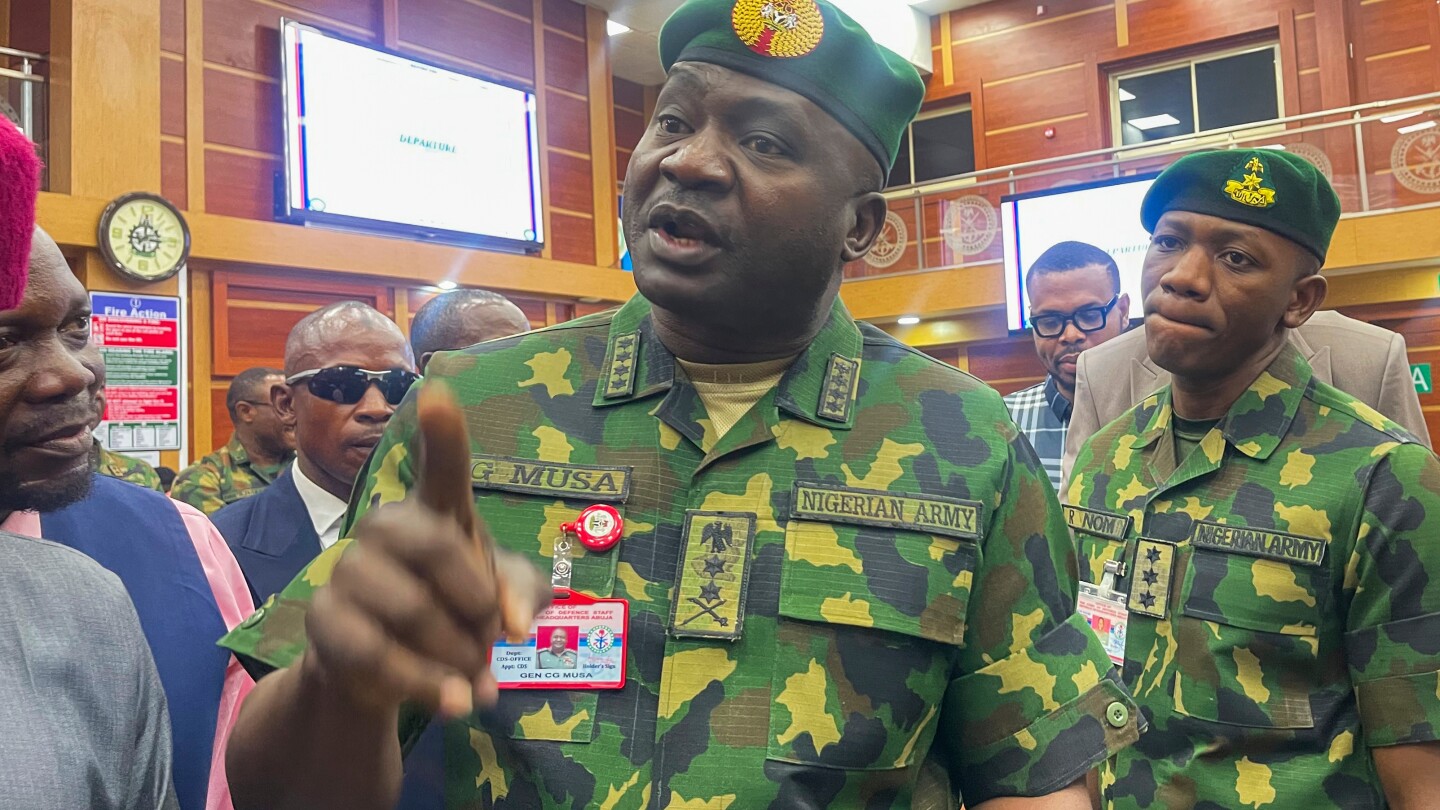
    LAGOS, Nigeria — In a significant political reversal, President Bola Tinubu has nominated General Christopher Musa, the recently retired military chief, as Nigeria’s new defense minister. This appointment comes merely weeks after General Musa’s forced retirement during a comprehensive military reshuffle.

    The nomination, pending parliamentary confirmation, follows the abrupt resignation of former Defense Minister Badaru Abubakar on Monday, who cited health reasons for his departure. No official explanation has been provided regarding the sudden reinstatement of General Musa, who commanded Nigeria’s armed forces from 2023 until October.

    This leadership shakeup occurs against the backdrop of escalating security challenges in Nigeria’s northern regions, where bandit groups and militants continue to perpetrate mass abductions and deadly violence. The United States has intensified pressure on Nigerian authorities to enhance their counterinsurgency efforts, though President Tinubu has publicly disputed American assertions that Christian communities are disproportionately targeted by the violence.

    In response to the deteriorating security situation, Tinubu’s administration recently dispatched a diplomatic delegation to Washington, resulting in newly established security cooperation agreements. Additionally, the president declared a state of emergency last week and authorized large-scale police recruitment to strengthen domestic security forces.

  • Zambian-American influencer sentenced to 18 months for hate speech

    Zambian-American influencer sentenced to 18 months for hate speech

    A Zambian-American social media influencer has been handed an 18-month prison sentence after pleading guilty to hate speech charges against Zambian President Hakainde Hichilema. Ethel Chisono Edwards, a 42-year-old real estate agent from New York who maintains dual citizenship, was convicted under Zambia’s recently enacted Cyber Security and Cyber Crimes Acts for her persistent online criticisms of the head of state.

    Known to her substantial following as ‘One Boss Lady,’ Edwards built her digital reputation through two years of vehement commentary targeting President Hichilema’s administration. Her case reached its climax when authorities detained her at Zambia’s primary airport three months ago during a visit to attend her grandmother’s funeral proceedings.

    During proceedings at Lusaka’s magistrate court, Edwards admitted to unlawfully publishing content motivated by hatred toward the presidency. Magistrate Webster Milumbe emphasized the court’s obligation to issue a strong deterrent against the growing trend of hate speech, despite the defendant’s expression of remorse and direct apology to the president, his family, and the Zambian nation.

    Defense attorney Joseph Katati portrayed his client as a contrite first-time offender with significant philanthropic contributions, including sponsorship of a girls’ football team that would suffer from her incarceration. The magistrate acknowledged these mitigating factors by backdating the sentence to her arrest date.

    The sentencing has sparked vigorous debate within Zambia regarding free speech boundaries. While some citizens support the judicial outcome as necessary for maintaining respect for leadership, others perceive the punishment as disproportionately limiting expressive freedoms. This case emerges despite President Hichilema’s 2021 elimination of criminal defamation laws specifically targeting the presidency, indicating that other legislation remains applicable to criticism of government figures.

    This prosecution follows another unusual case from September, where two individuals received two-year prison terms for allegedly attempting to use witchcraft against the president, demonstrating the ongoing legal complexities surrounding presidential protection in Zambia.

  • Celebrating the spirit of the UAE on its 54th National Day

    Celebrating the spirit of the UAE on its 54th National Day

    As the United Arab Emirates commemorates its 54th National Day, Bank of Baroda reflects on its substantial five-decade partnership with the nation, highlighting a journey of mutual economic advancement and community development. Since establishing its first branch in June 1974—merely three years after the UAE’s formation—the bank has grown alongside the Emirates’ rapid transformation into a global economic hub.

    The Indian financial institution commenced operations during the UAE’s foundational growth period, expanding with an Abu Dhabi branch in July 1974. Today, Bank of Baroda maintains the distinctive position as the sole Indian bank providing comprehensive financial services across the Emirates through five full-service branches in key locations including Dubai, Deira, Sharjah, Abu Dhabi, and Ras Al Khaimah. This network is supplemented by 9 Electronic Banking Service Units and 44 ATMs.

    Bank of Baroda’s service portfolio has evolved to address contemporary market demands, offering specialized solutions in SME and corporate finance, syndicated loans, retail lending, trade finance, and treasury products. The institution acknowledges the UAE’s role in creating an enabling environment for the Indian diaspora to thrive economically while providing businesses with opportunities for innovation and expansion.

    The bank’s operational philosophy emphasizes deep community engagement, particularly through dedicated services for the NRI community. A centralized NRI Cell and specialized NRI Desks across all branches facilitate personalized banking experiences, reflecting the institution’s commitment to this demographic.

    In his National Day message, Jagdish Tungaria, Chief Executive for GCC Operations, expressed gratitude for customer trust and reaffirmed the bank’s commitment to supporting the UAE’s future vision centered on technological advancement, sustainability, and global leadership. The statement extended heartfelt greetings to the nation’s leadership and citizens, recognizing National Day as a celebration of unity, progress, and inspirational national achievement.

  • Guinea-Bissau electoral commission unable to finalize results after armed men steal vote tally

    Guinea-Bissau electoral commission unable to finalize results after armed men steal vote tally

    GUINEA-BISSAU’S electoral commission declared Tuesday it cannot finalize results from the disputed presidential election after armed intruders stormed its offices and confiscated critical vote tally sheets. This development coincides with the military’s seizure of governmental control, plunging the West African nation into renewed political turmoil.

    The commission’s statement confirmed the November 26th breach occurred three days following presidential and legislative elections where both incumbent President Umaro Sissoco Embaló and opposition candidate Fernando Dias da Costa declared victory. The unidentified armed men’s raid effectively paralyzed the electoral certification process.

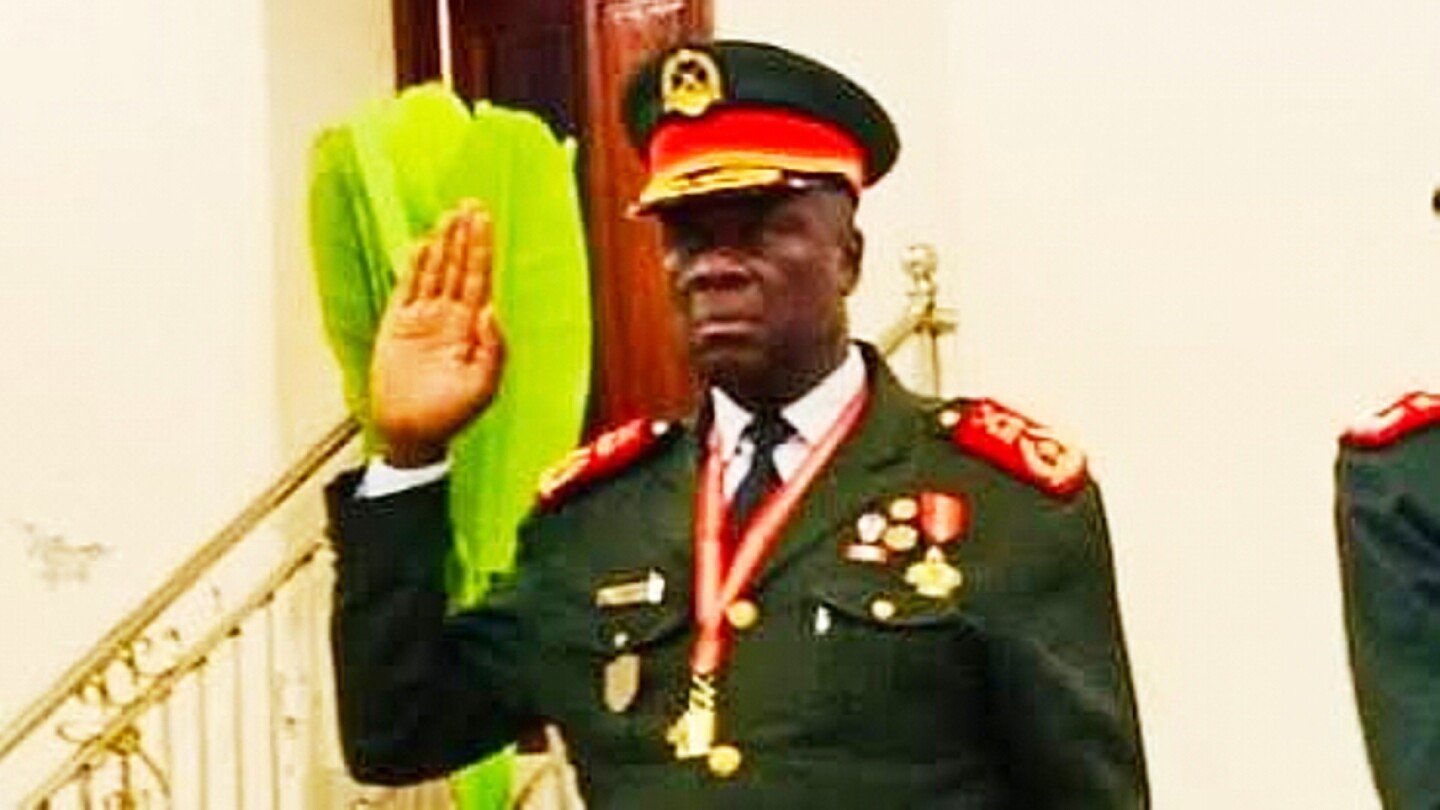
    In parallel developments, the military establishment installed former army chief of staff General Horta Inta-a as head of a transitional military government. The new regime announced plans to oversee a twelve-month transition period. On Saturday, Inta-a appointed a 28-member cabinet predominantly composed of political allies to the deposed president.

    President Embaló has sought refuge in Brazzaville, capital of the Republic of Congo, while Nigeria’s President Bola Tinubu granted protective asylum to opposition leader da Costa citing “imminent threats to his personal safety.”

    This crisis continues Guinea-Bissau’s troubled legacy of political instability since gaining independence from Portugal five decades ago. The nation of 2.2 million people, ranking among the world’s poorest countries, has experienced multiple coups and attempted power grabs, including a failed October putsch. International analysts note the country’s role as a strategic narcotics trafficking corridor between Latin America and Europe has significantly exacerbated its chronic governance challenges.

  • Measles vaccinations begin in rebel-held Congo almost a year after deadly outbreak

    Measles vaccinations begin in rebel-held Congo almost a year after deadly outbreak

    In a significant humanitarian development, measles vaccines have finally reached the rebel-controlled territory of Kachehembe in eastern Congo’s North Kivu province. This delivery comes nearly a year after the onset of a devastating measles outbreak that has plagued the region.

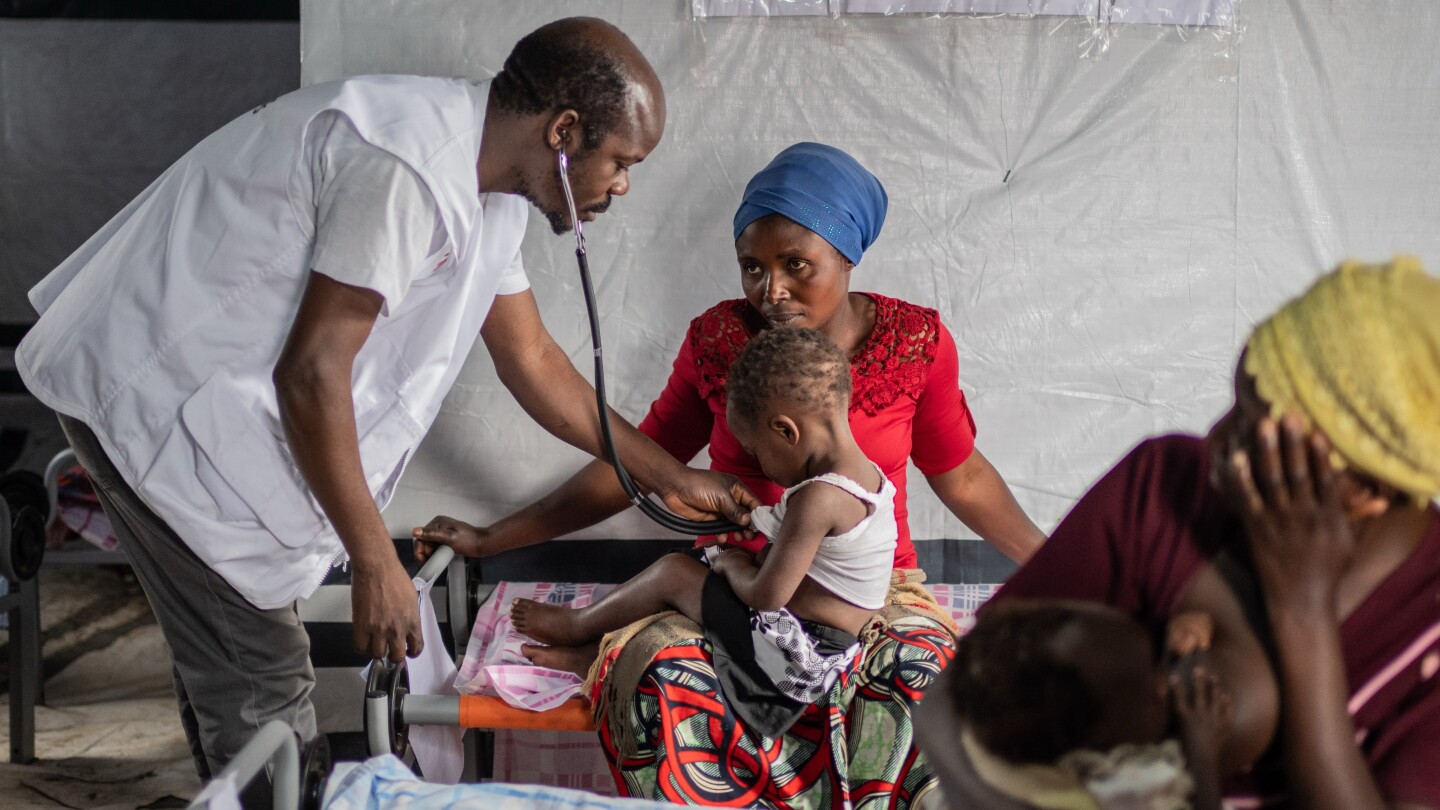
    The humanitarian situation has been severely exacerbated by the seizure of territory earlier this year by Rwanda-backed M23 rebels, creating substantial obstacles to healthcare delivery in one of the world’s most critical crisis zones. Medical charity Doctors Without Borders (MSF) has initiated vaccination efforts, with anxious parents forming lengthy queues to immunize their children against the highly contagious disease.

    Silas Bazimaziki Rugiriki, a local father bringing his son for vaccination, expressed the community’s distress: “Children are suffering greatly from this disease.”

    Congo’s health system faces overwhelming challenges, reporting over 36,000 suspected measles cases and 565 fatalities across nearly all of its 26 provinces as of July. The country simultaneously battles multiple health emergencies including recent Mpox and Ebola outbreaks, compounded by ongoing rebel activities.

    The M23 insurgency has captured key cities in the mineral-rich eastern region since January, resulting in thousands of casualties despite ongoing peace mediation efforts led by the United States and Qatar.

    MSF reports having treated at least 1,000 pediatric measles cases in Kachehembe alone this year, with 11 confirmed deaths. Their vaccination campaign specifically targets children under five years old, though operations face complications from mass displacements caused by persistent attacks from multiple rebel factions.

    Dr. Toussaint Selemani, MSF’s medical director for the measles response, explained to The Associated Press: “The area is experiencing a constant influx of displaced families, which is increasing demand.” A nearby hospital currently treats 53 children afflicted with measles.

    Local mothers described the rapid progression of the illness. Sarah Noëlla, 37, recounted how her 2-year-old son Fariji Jacques developed fever followed by red eyes and mouth speckles, initially mistaken for influenza. Many families emphasized their complete dependence on MSF’s assistance, with 21-year-old mother Irène Shashire stating, “We are living in a war zone, we have nothing.”

  • Ajman sets Guinness World Record for forming ‘Eid Al Etihad UAE 54’ with 603 vehicles

    Ajman sets Guinness World Record for forming ‘Eid Al Etihad UAE 54’ with 603 vehicles

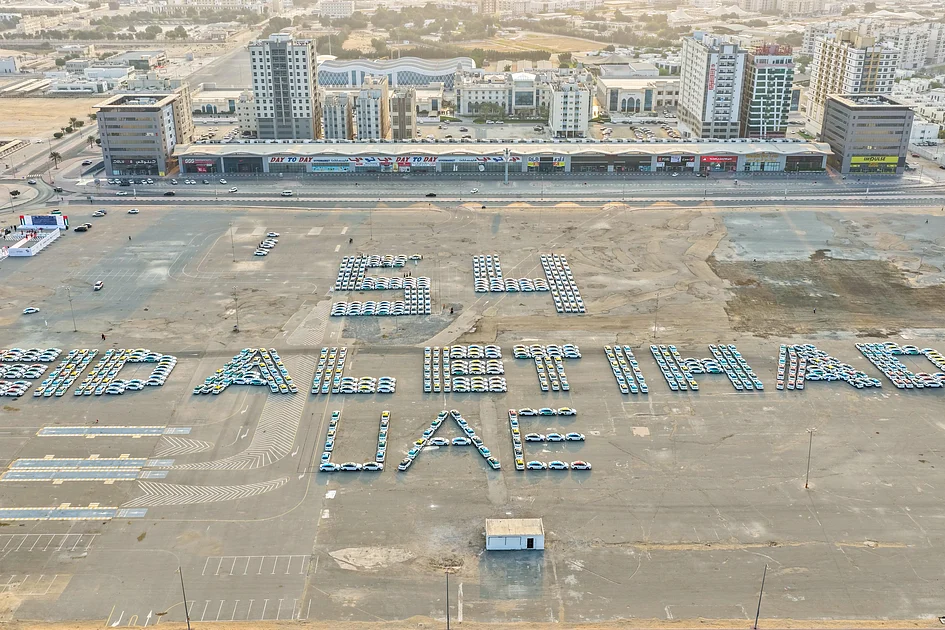
    The emirate of Ajman has achieved global recognition by securing an official Guinness World Record for orchestrating the largest celebratory phrase ever formed by vehicles. A meticulously coordinated fleet of 603 automobiles was arranged to spell out ‘EID AL ETIHAD UAE 54’ in a spectacular display of national pride, commemorating the nation’s 54th Union Day anniversary.

    The record-breaking endeavor, executed with exceptional precision, required advanced logistical planning to synchronize the movement of hundreds of vehicles into a coherent and visually striking formation. Guinness World Records adjudicators were present to officiate the attempt, commending the organizers for the outstanding operational excellence and flawless execution demonstrated throughout the event.

    This landmark achievement was realized through a collaborative partnership between the Ajman Transportation Authority, Ajman Holding, and Rayaat Company. The event received high-level patronage under Sheikh Abdulaziz bin Humaid Al Nuaimi, Chairman of the Department of Tourism, Culture, and Information, underscoring its significance within official celebrations.

    All participating entities were honored with official certificates from Guinness World Records, recognizing both the technical accomplishment and its symbolic importance. The formation serves as a profound expression of national joy and unity, reflecting the collective pride in the UAE’s developmental journey since its federation in 1971. The successful event positions Ajman as a capable host of world-class spectacles with significant visual impact and organizational sophistication.

  • Bridging economies, building futures – India and the UAE as global partners in progress

    Bridging economies, building futures – India and the UAE as global partners in progress

    The strategic economic partnership between India and the United Arab Emirates has evolved into a transformative force driving mutual prosperity and global innovation. Under the groundbreaking Comprehensive Economic Partnership Agreement (CEPA), bilateral trade has experienced remarkable acceleration, creating unprecedented opportunities for businesses across both nations.

    This enhanced economic connectivity has fundamentally reshaped commercial relationships, with Indian enterprises increasingly utilizing the UAE as their primary global expansion hub. Simultaneously, UAE investors are directing substantial capital toward India’s rapidly evolving innovation ecosystem. The agreement has particularly benefited small and medium-sized enterprises, startups, and major corporations alike, generating employment opportunities and enhancing competitive capabilities across diverse sectors.

    Future-oriented collaborations are now emerging in renewable energy, with joint ventures advancing green hydrogen technology, solar power innovations, and sustainable urban development projects. The digital transformation sector demonstrates equal dynamism, with fintech, artificial intelligence, health technology, and smart manufacturing experiencing substantial growth through the India-UAE corridor. This technological synergy thrives within an environment of progressive regulation and vibrant entrepreneurial activity.

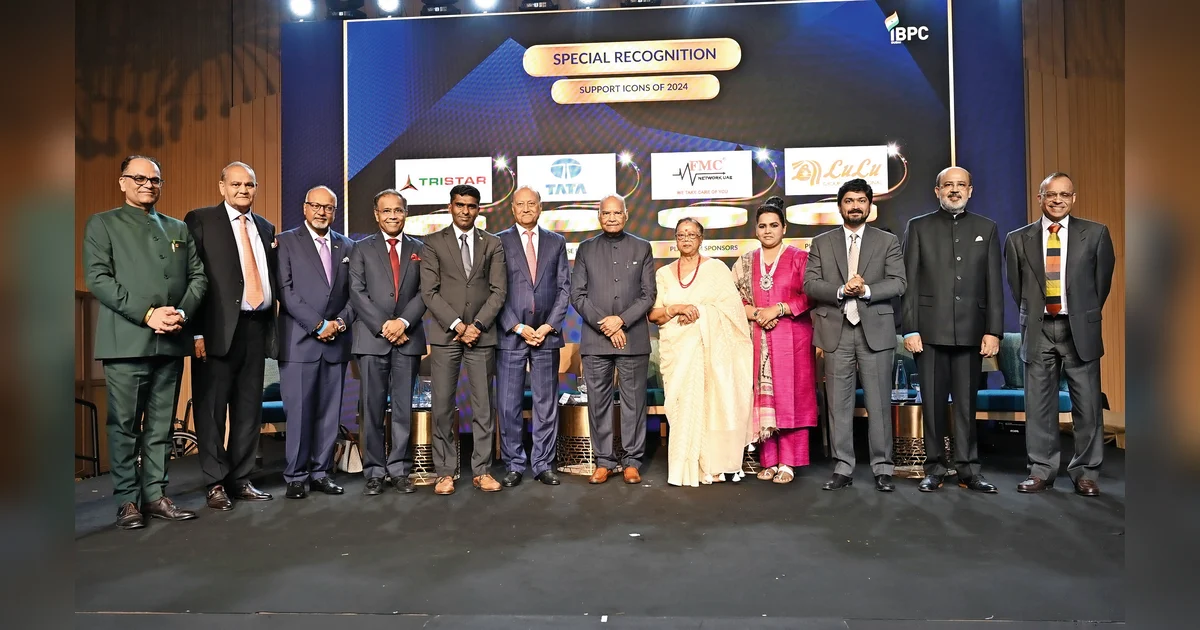
    The India Business and Professional Council (IBPC) Dubai has played a pivotal role in facilitating this partnership for over two decades. Throughout 2025, the organization orchestrated numerous high-impact events including an AI Summit at Dubai Chambers, Youth Conclave gatherings, and specialized symposiums covering steel and alloy industries. The Capital Connect Series provided direct access to regional investors, while high-level governmental engagements with Indian Chief Ministers further strengthened institutional cooperation.

    Notably, the partnership has received robust support from Emirati leadership, including Dr. Tayeb Kamali of IOD India and Thani bin Ahmed Al Zeyoudi, UAE’s Minister of State for Foreign Trade. Dubai Chambers has consistently amplified these initiatives, enabling IBPC Dubai to effectively bridge commercial interests between both nations.

    Beyond economic metrics, the relationship thrives through cultural exchanges and community engagements celebrating India’s Independence Day, Republic Day, and International Women’s Day. These people-to-connections form the foundational bedrock of what has evolved from traditional trade partnership into comprehensive global cooperation aimed at building sustainable futures through shared vision and mutual respect.

  • Nigeria’s defence minister resigns amid kidnapping crisis

    Nigeria’s defence minister resigns amid kidnapping crisis

    In a significant development for Nigeria’s security apparatus, Defense Minister Mohammed Badaru Abubakar has abruptly resigned from his cabinet position citing health concerns. The 63-year-old’s departure comes at a critical juncture as the nation grapples with worsening security challenges, particularly a surge in mass abductions targeting civilians.

    The timing of Abubakar’s exit coincides with alarming reports from the UN Human Rights Office indicating at least 402 kidnappings since mid-November, predominantly affecting schoolchildren. Recent incidents include the abduction of 20 individuals during separate raids in northern Nigeria, capturing a Christian pastor alongside a Muslim bride and her bridal party. Approximately 250 students and 12 educators from a Catholic school in Niger state remain missing following what represents one of the largest kidnapping events in recent weeks.

    While analysts predominantly attribute these crimes to criminal syndicates seeking ransom payments, presidential representatives have suggested jihadist involvement. The minister, who previously served two terms as governor of Jigawa state from 2015 to 2023, played a pivotal role in President Bola Tinubu’s 2023 electoral victory by delivering his home state.

    President Tinubu has accepted the resignation with acknowledgments for Abubakar’s national service. Concurrently, the administration has declared a national security emergency, unveiling plans to expand police capabilities by recruiting 20,000 additional officers to reach a force strength of approximately 50,000.

    Nigeria currently confronts multiple security threats including criminal kidnappings, Islamist insurgencies in northern territories, separatist violence in southeastern regions, and resource conflicts between herders and farmers in central areas. Presidential spokespersons indicate Tinubu will present Abubakar’s successor to the Senate for confirmation within days.

  • Nigeria grants asylum to Guinea-Bissau presidential candidate after coup

    Nigeria grants asylum to Guinea-Bissau presidential candidate after coup

    In a significant diplomatic move, Nigeria has provided political asylum to Fernando Dias, a presidential contender from Guinea-Bissau, following a military takeover that disrupted the electoral process. The 47-year-old candidate from the Party for Social Renewal sought refuge at the Nigerian embassy in Bissau after reporting direct threats to his safety.

    The political crisis erupted when military forces suspended the electoral proceedings three days after the November 23 presidential vote, blocking the release of election results that both Dias and incumbent President Umaro Sissoco Embaló had claimed to win. The junta justified its intervention as necessary to prevent what it described as a plot to destabilize the politically volatile nation.

    Nigerian Foreign Minister Yusuf Tuggar confirmed the protective measures, stating President Bola Tinubu authorized Dias’s sanctuary at the embassy compound. “This decision demonstrates our unwavering commitment to protecting democratic aspirations and the sovereign will of Guinea-Bissau’s people,” Tuggar communicated to the ECOWAS Commission.

    The military regime has implemented stringent measures including a ban on public demonstrations and installed General Horta N’Tam as transitional leader for a one-year period. Meanwhile, ECOWAS mediators led by Sierra Leone’s Foreign Minister Alhaji Musa Timothy Kabba have engaged in tense negotiations with the junta, described as “productive” yet contentious.

    International scrutiny intensifies as Senegal’s Prime Minister Ousmane Sonko and former Nigerian leader Goodluck Jonathan have suggested the coup might be fabricated, though without presenting substantiating evidence. Local civil society organizations have accused Embaló of orchestrating a “simulated coup” to manipulate electoral outcomes—allegations the president has not addressed.

    Embaló, who departed for Senegal before reportedly continuing to Congo-Brazzaville, has historically faced accusations of exploiting crises to suppress opposition. The current turmoil adds to Guinea-Bissau’s extensive history of political instability, with at least nine coups or attempted takeovers since gaining independence from Portugal in 1974.

    ECOWAS has suspended Guinea-Bissau from all decision-making bodies pending restoration of constitutional order, while deploying security personnel to protect the Nigerian embassy where Dias remains under protection.