标签: Africa

非洲

  • A free childbirth program ends in eastern Congo at the worst of times

    A free childbirth program ends in eastern Congo at the worst of times

    GOMA, Democratic Republic of Congo — A severe maternal health emergency is unfolding in eastern Congo as expectant mothers face impossible choices amid ongoing conflict and the sudden termination of a vital government healthcare initiative. The situation has created a perfect storm of humanitarian suffering in a region already grappling with one of the world’s highest maternal mortality rates.

    The crisis stems from the confluence of multiple devastating factors: the collapse of a free maternity care program that previously provided essential services, continued rebel control of the city of Goma, and the complete breakdown of medical infrastructure. The program, initiated in 2023 to address Congo’s alarming maternal death statistics, offered free consultations and treatment for at-risk pregnancies at selected facilities nationwide before mysteriously ending in June without official explanation.

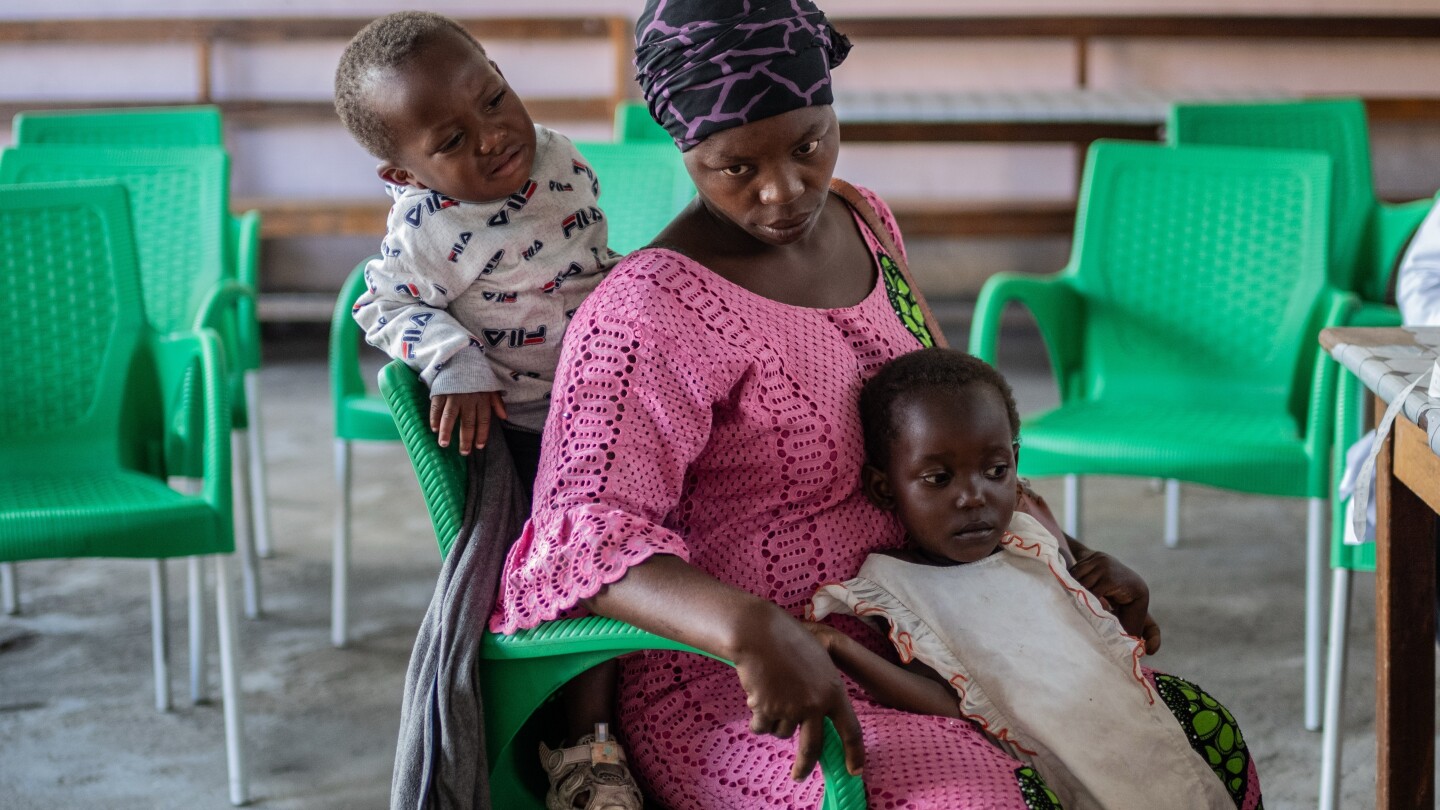
    Irene Nabudeba, a mother of five expecting her sixth child, embodies the human cost of this healthcare collapse. “At the hospital, they ask us for money that we don’t have,” she explained at the Afia Himbi health center, her hands resting on her pregnant abdomen. “I’m pushing myself to come to the consultations, but for the delivery… I don’t know where I’ll find the money.”

    The economic devastation accompanying the conflict has rendered even minimal medical fees prohibitive. Childbirth at a local clinic now costs $5-10, an impossible sum in a region where over 70% of the population survives on less than $2.15 daily. Franck Ndachetere Kandonyi, chief nurse at Afia Himbi, reported that monthly births under the free program had surged from approximately five to more than twenty before the initiative’s termination. That number has now plummeted to just nine monthly births as women retreat from formal healthcare.

    The M23 rebel group, which seized control of Goma in January amid escalating violence, has offered contradictory explanations for the program’s collapse. Freddy Kaniki, deputy coordinator of M23, asserted to AP that the initiative “was not renewed because it was a failure,” without providing supporting evidence. Congolese officials remained unresponsive to inquiries.

    Medical infrastructure has deteriorated catastrophically throughout the conflict. An International Committee of the Red Cross assessment in September revealed that 85% of health facilities face critical medicine shortages, while nearly 40% have experienced significant staff departures. Doctors Without Borders has documented attacks on hospitals, blocked ambulances, and threats against medical personnel.

    The human impact extends beyond statistics. Ernestine Baleke, pregnant with her ninth child, walks over half a mile to the Rehema Health Center because she cannot afford transportation. “I don’t even have 100 francs (45 cents) in my pocket,” she revealed, explaining that her husband lost his factory job when the facility was looted early in the conflict. Their house subsequently burned, leaving the family destitute.

    With three months remaining until her delivery, Baleke voiced the desperate plea of countless mothers: “The authorities must restore free health care. We risk dying in our homes while giving birth.” As fighting recently escalated despite U.S.- and Qatar-led peace efforts, the prospects for immediate resolution appear dim, leaving Congo’s most vulnerable citizens caught between conflict and catastrophic healthcare access.


  • Why the World Obsesses Over Mummies

    Why the World Obsesses Over Mummies

    A global fascination with ancient Egyptian mummies that began over a century ago continues to exert profound influence on contemporary culture and design. The 1922 discovery of Tutankhamun’s tomb, featuring the legendary golden mask that had rested undisturbed for three millennia, ignited what historians term ‘Egyptomania’ – a cultural phenomenon that transcended archaeological circles to permeate modern aesthetics.

    This enduring obsession with Egyptian antiquities has manifested across diverse creative industries. Jewelry designers incorporate scarab motifs and hieroglyphic patterns, while architectural elements echo pyramid structures and obelisk forms. Hollywood’s film industry has consistently drawn inspiration from ancient Egyptian themes, producing iconic movies that fuel public imagination about the mysterious civilization.

    What explains this sustained captivation with mummified remains from a millennia-old culture? Experts suggest that mummies represent a unique intersection of preservation and mystery, offering tangible connections to human history while maintaining an aura of the unknown. The scientific revelations from mummy studies, combined with the artistic mastery displayed in burial artifacts, create a powerful narrative that continues to resonate across generations.

    The recent release of an English-dubbed documentary episode examining this phenomenon provides fresh insights into how ancient Egyptian culture maintains its grip on the modern psyche, demonstrating that some historical discoveries never truly lose their ability to astonish and inspire.

  • Ex-president’s daughter sworn in as South African MP after half-sister quits

    Ex-president’s daughter sworn in as South African MP after half-sister quits

    In a dramatic political development, Brumelda Zuma, daughter of former South African President Jacob Zuma, has been officially sworn into the National Assembly as a member of parliament. The ceremony occurred on Wednesday, with Zuma assuming her position under the banner of uMkhonto weSizwe (MK), the opposition party currently led by her father.

    This parliamentary appointment comes merely two weeks after her half-sister, Duduzile Zuma-Sambudla, was compelled to resign from her legislative position following serious allegations of recruiting South African men as mercenaries for Russia’s military operations in Ukraine. Zuma-Sambudla has consistently denied these accusations.

    Brumelda Zuma’s entry into parliament signals the former president’s continued influence in South African politics and suggests a strategic effort to maintain family representation within the government’s legislative branch. She was inaugurated alongside three other MK party members, whom the party described as bringing ‘substantial experience and unwavering dedication’ to their parliamentary roles.

    In her initial statements, Brumelda Zuma emphasized her commitment to ensuring ‘quality public services’ for South African citizens, noting that this focus aligns with her academic background in public administration.

    The controversy surrounding her half-sister involves allegations that Zuma-Sambudla deceived 17 South African men into traveling to Russia under false pretenses before they were handed over to Russian mercenary forces operating in Ukraine’s conflict-ridden Donbas region. The South African government has confirmed receiving distress calls from multiple citizens who reportedly joined these mercenary groups.

    Among the most prominent accusers is another half-sister, Nkosazana Zuma-Mncube, who has filed formal criminal charges against Zuma-Sambudla and two associates. Zuma-Mncube alleges the defendants lured the men to Russia ‘through deceptive means’ and transferred them to a Russian mercenary organization ‘without their informed consent.’ She revealed that eight of the recruited individuals are her relatives.

    South African law explicitly prohibits citizens from serving as mercenaries or fighting for foreign military forces without government authorization. Police authorities have confirmed an ongoing investigation into the matter.

    Zuma-Sambudla maintains her innocence, claiming in a sworn affidavit that she believed the men were traveling to Russia for ‘legitimate training purposes.’ She concurrently faces separate terrorism-related charges concerning social media posts made during violent protests in 2021, which she also denies.

    The MK party emerged as a significant political force after Jacob Zuma established it in 2023 following his rift with current President Cyril Ramaphosa. The party secured third place in last year’s general election and subsequently became the primary opposition party in parliament after the second-largest party joined Ramaphosa’s coalition government.

  • At least 19 killed in building collapse in Morocco

    At least 19 killed in building collapse in Morocco

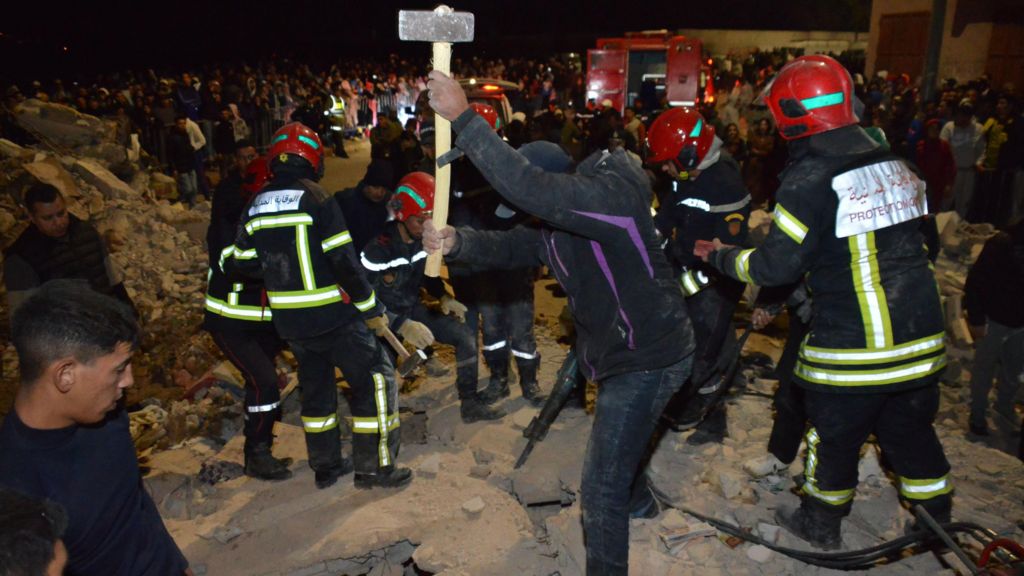
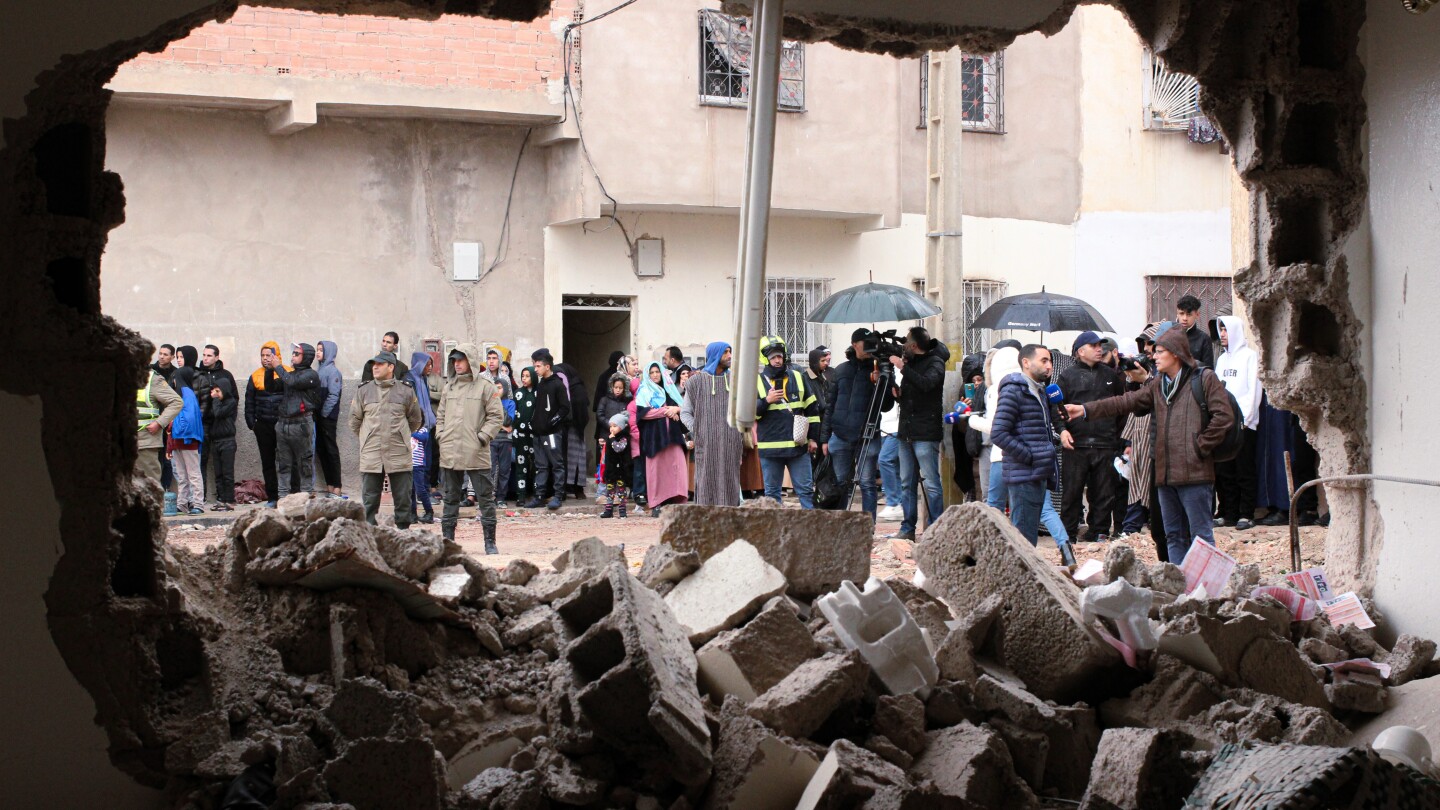
    A devastating structural failure in the Moroccan city of Fez has resulted in significant casualties, with authorities confirming at least 19 fatalities and 16 individuals injured. The catastrophe occurred in the early hours of Wednesday when two adjacent four-story residential buildings suddenly collapsed in the Al Massira suburb, located in the newer southwestern district of the ancient city.

    According to official statements carried by state media, the collapsed structures housed eight families, raising concerns about the potential for additional casualties as emergency teams continue search and rescue operations. Multiple Moroccan news outlets have reported that both buildings had exhibited visible signs of structural deterioration for several years prior to the incident, suggesting possible maintenance issues or regulatory oversights.

    Fez, renowned as one of Morocco’s oldest urban centers with historical sections dating to the 8th century, now faces urgent questions about building safety standards in its modern developments. Emergency personnel worked through the night using heavy machinery and manual efforts to search for survivors trapped beneath the rubble. Distressing footage from the scene, including video published by news outlet Akhbarona, shows rescue workers carrying victims on stretchers amid the extensive debris field.

    As a precautionary measure, authorities have evacuated residents from neighboring buildings while medical facilities treat those injured with varying severity of wounds. This tragedy represents the third major building collapse in Fez within recent memory, following a May incident that killed nine people in a condemned structure and a February 2024 event that claimed five lives in the old city following severe weather conditions.

    The repeated structural failures in this historically significant North African city, which ranks as Morocco’s third most populous urban center, have raised serious concerns about building safety regulations, maintenance enforcement, and urban development practices in rapidly growing areas.

  • Gunfire as rebels target key DR Congo city despite Trump peace deal

    Gunfire as rebels target key DR Congo city despite Trump peace deal

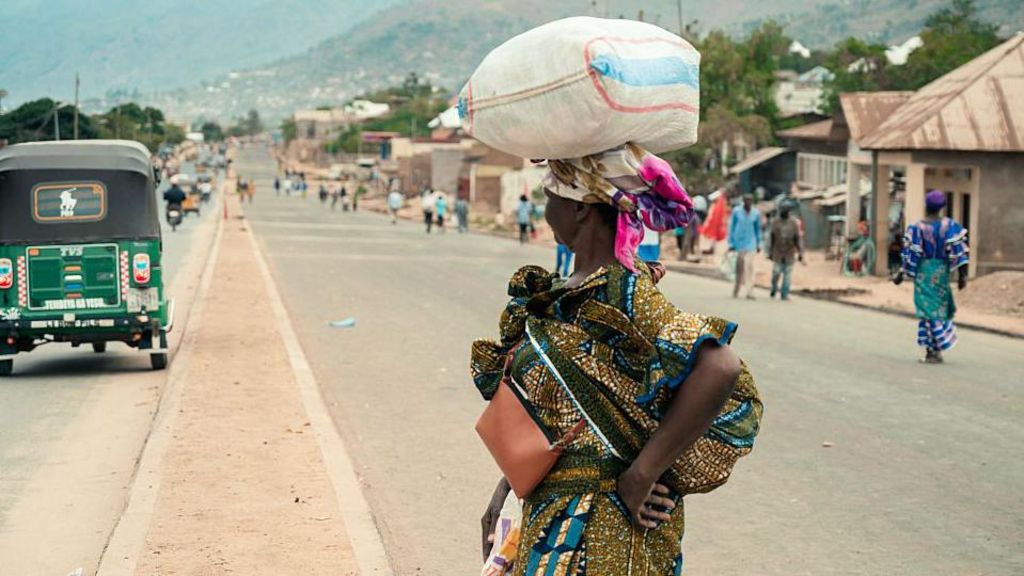
    Eastern Democratic Republic of Congo faces a severe humanitarian crisis as M23 rebel forces intensify their offensive toward the strategic city of Uvira, triggering massive civilian displacement and raising alarms about potential regional destabilization. According to United Nations estimates, approximately 200,000 residents have fled their homes since fighting erupted earlier this month, with many crossing into neighboring Burundi for safety.

    The situation in Uvira—the last government-held city in the mineral-rich region—remains highly volatile despite conflicting reports about rebel control. Local sources describe chaotic scenes with sporadic gunfire and explosions reverberating through the city, prompting widespread closures of businesses and educational institutions. Terrified civilians have reportedly taken shelter indoors, with some residents describing a climate of fear where ‘every man for himself’ has become the prevailing sentiment.

    This escalation occurs despite a recent US-brokered peace agreement between DR Congo President Félix Tshisekedi and Rwandan leader Paul Kagame. Notably, the M23 rebel group is not party to this agreement and is concurrently engaged in separate mediation talks facilitated by Qatar.

    The international community has expressed profound concern over the deteriorating situation. The United States, European Union, and eight European nations have jointly accused Rwanda of supporting the rebel offensive—an allegation that Rwandan authorities vehemently deny. Instead, Rwanda claims DR Congo and Burundi have violated ceasefire agreements and conducted bombings near its border, displacing over 1,000 civilians into Rwandan territory.

    UN experts have reinforced allegations of Rwandan involvement, stating that Rwanda’s army maintains ‘de facto control of M23 operations.’ The conflict’s roots extend back three decades to the aftermath of the Rwandan genocide, with numerous peace agreements collapsing over the intervening years as armed groups continue vying for control of the region’s substantial mineral wealth.

    Humanitarian costs continue mounting, with at least 74 casualties confirmed—mostly civilians—and 83 wounded requiring hospitalization. A Burundian administrative source reported approximately 8,000 daily refugee arrivals over two days, totaling 30,000 within one week, highlighting the crisis’s rapid escalation.

  • 2 buildings collapse in Moroccan city of Fez, killing 22 people

    2 buildings collapse in Moroccan city of Fez, killing 22 people

    FEZ, Morocco — A devastating structural failure occurred overnight in the historic city of Fez when two adjacent four-story buildings completely collapsed, resulting in 22 fatalities and 16 injuries according to official reports. The tragedy marks the second major building collapse in this Moroccan urban center within a single year, raising urgent questions about urban infrastructure safety.

    The collapsed residential structures, constructed in 2006 under Morocco’s ‘City Without Slums’ initiative, housed eight families according to the state news agency MAP. Emergency responders evacuated the surrounding neighborhood while continuing search and rescue operations amid uncertainty about how many residents might remain trapped beneath the rubble.

    While initial reports indicate the buildings were originally constructed to code, local news outlet Hespress revealed that unauthorized additional floors had been added to both structures. This modification potentially contributed to the catastrophic failure, though authorities have opened a formal investigation to determine the exact cause.

    The incident highlights the persistent challenge of infrastructure inequality in Morocco’s rapidly growing urban centers. Fez, while renowned for its medieval walled city and selection as a host city for both the upcoming Africa Cup of Nations and 2030 FIFA World Cup, simultaneously struggles with aging buildings and inadequate enforcement of construction regulations.

    This tragedy echoes a similar collapse in May that killed 10 people in Fez, despite that building having been marked for evacuation. The recurring nature of such incidents has intensified public criticism of infrastructure investment priorities, particularly after nationwide protests earlier this year highlighted concerns about stadium investments taking precedence over essential services including healthcare, education, and building safety.

  • Global leaders seek unified front on climate, pollution

    Global leaders seek unified front on climate, pollution

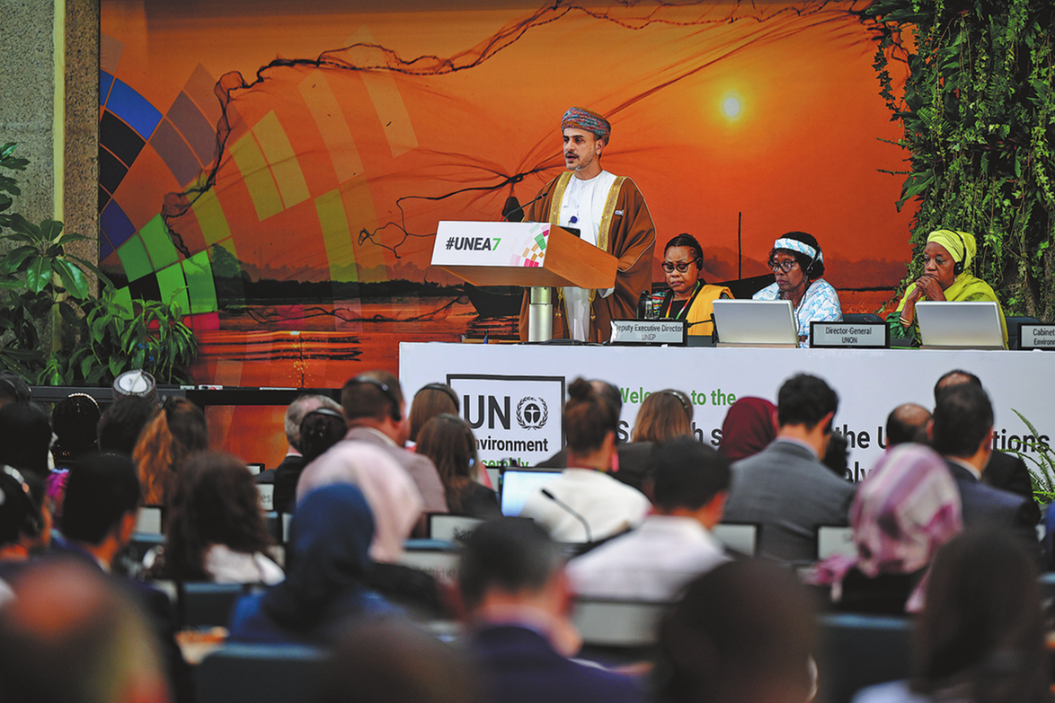
    NAIROBI — International environmental leaders have converged at the seventh UN Environment Assembly (UNEA-7) in Kenya with a reinforced commitment to multilateral cooperation as the primary mechanism for addressing the planet’s escalating ecological crises. The assembly, gathering environment ministers, scientists, and civil society representatives, emphasized that only through legally binding global commitments and coordinated action can tangible progress be achieved against interconnected threats including climate change, biodiversity loss, and pollution.

    UN Environment Programme Executive Director Inger Andersen opened the weeklong session by highlighting that multilateral environmental agreements recognize the borderless nature of environmental threats. “These challenges—from rising temperatures and ocean degradation to plastic pollution—do not respect national boundaries,” Andersen stated, stressing the need for improved coordination and implementation of existing agreements.

    The assembly leadership, including President Abdullah Bin Ali Al-Amri of Oman’s Environment Authority, characterized the meeting as occurring at a decisive historical moment. “Communities worldwide continue to endure the intertwined impacts of climate change, biodiversity loss, and pollution—challenges testing not only our economies but the very trust in our collective will,” Al-Amri noted, emphasizing that success would depend on trust, transparency, and inclusiveness in negotiations.

    Scientific warnings presented at the assembly underscored the urgency of action. Andersen revealed that global temperature increases will likely exceed the critical 1.5°C threshold within the next decade, bringing escalating consequences with each fractional degree increase. Simultaneously, ecosystems continue disappearing while toxins increasingly pollute air, water, and land resources worldwide.

    Martin Krause, Director of UNEP’s Climate Change Division, called for dramatically accelerated emission reductions alongside increased investment in climate adaptation. “Partnerships across governments, private sector, academia and civil society are now crucial for translating high-level commitments into climate-resilient infrastructure and livelihoods,” Krause asserted during side events.

    The assembly also spotlighted growing threats from sand and dust storms, which affect billions globally while carrying significant environmental and economic consequences. Jumaan Al-Qahtani of the World Meteorological Organization’s Dust Storm Regional Center described these phenomena as both cross-border challenges and potential ecological contributors when mineral dust fertilizes nutrient-poor ecosystems.

    Delegates are negotiating 15 draft resolutions addressing diverse issues from glacier preservation and controlling massive seaweed blooms to reducing artificial intelligence’s environmental footprint. Although not legally binding themselves, these resolutions historically help establish common ground and pave the way for precedent-setting international agreements.

  • The man behind the headlines – Salah, by Klopp, Diaz and more

    The man behind the headlines – Salah, by Klopp, Diaz and more

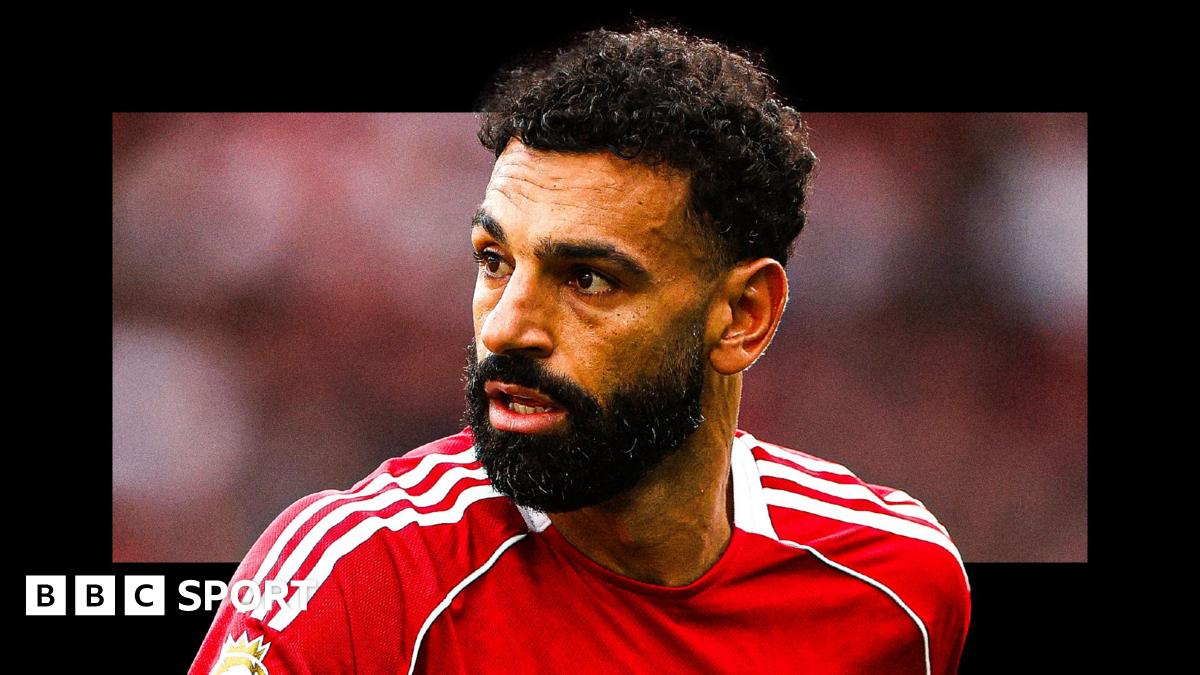
    The unfolding narrative surrounding Liverpool’s iconic forward Mohamed Salah reveals a multifaceted portrait of an athlete grappling with perceived marginalization while maintaining an unwavering commitment to excellence. Recent developments have cast a spotlight on the Egyptian international’s emotional response to being relegated to substitute status for three consecutive matches under manager Arne Slot, prompting widespread discussion about his character among supporters and pundits alike.

    Jurgen Klopp, the architect of Liverpool’s most successful modern era, provides profound insight into Salah’s psychological makeup. “We are all massively influenced by our past—how we were raised, where we grew up,” reflects the German tactician. “Mo understood from an early age that exceptional achievement required extraordinary effort. His continuous development mindset transformed him into arguably the Premier League’s most formidable attacking force.”

    Former teammates paint a picture of a relentlessly driven professional whose competitive nature transcends conventional boundaries. Adam Lallana observes: “He maintains remarkable emotional equilibrium—never excessively celebrating triumphs nor dwelling on setbacks. His composure under pressure became a calming influence throughout the squad.” James Milner, Liverpool’s former vice-captain, recalls Salah’s obsession with perfection extending even to chess matches, noting: “He hired a chess instructor to refine his strategic thinking—that exemplifies his comprehensive approach to self-improvement.”

    The analysis extends beyond sporting achievement to examine Salah’s cultural significance as a global icon. Hailing from Nagrig, an agricultural village where over half the population lives in poverty, his journey to superstardom represents a narrative of unprecedented social mobility. Maher Anwar Shtiyeh, mayor of Nagrig, emphasizes: “He remains deeply connected to his roots despite international acclaim. His philanthropic initiatives—including funding ambulance services and religious institutions—demonstrate unwavering commitment to his community.”

    Salah’s visible Muslim faith has reshaped perceptions throughout his career. Shafique Rahman, Imam at Liverpool Mosque and Islamic Institute, notes: “His regular prayers before and after matches normalized religious expression in elite sports environments. Worshipers standing shoulder-to-shoulder with him during prayers experienced profound equality in spiritual practice.”

    The current tension stems from what insiders describe as Salah’s frustration with recent performance critiques and speculation about his January transfer prospects. This scenario echoes historical patterns at Liverpool, where legendary figures including Steven Gerrard and Fernando Torres faced similar public scrutiny during transitional periods.

    Despite the uncertainty, Salah’s legacy as a transformative figure remains secure. Luis Diaz, his former attacking partner now at Bayern Munich, reflects: “His mentorship transcended tactical advice—he created genuine emotional connections. Lifting the Premier League trophy alongside him revealed the profound joy he derives from collective achievement.” As the football world watches this chapter unfold, Salah’s story continues to evolve as a complex interplay of athletic brilliance, cultural influence, and human vulnerability.

  • Ethiopia embraces big projects but escalates regional tensions by seeking more access to the sea

    Ethiopia embraces big projects but escalates regional tensions by seeking more access to the sea

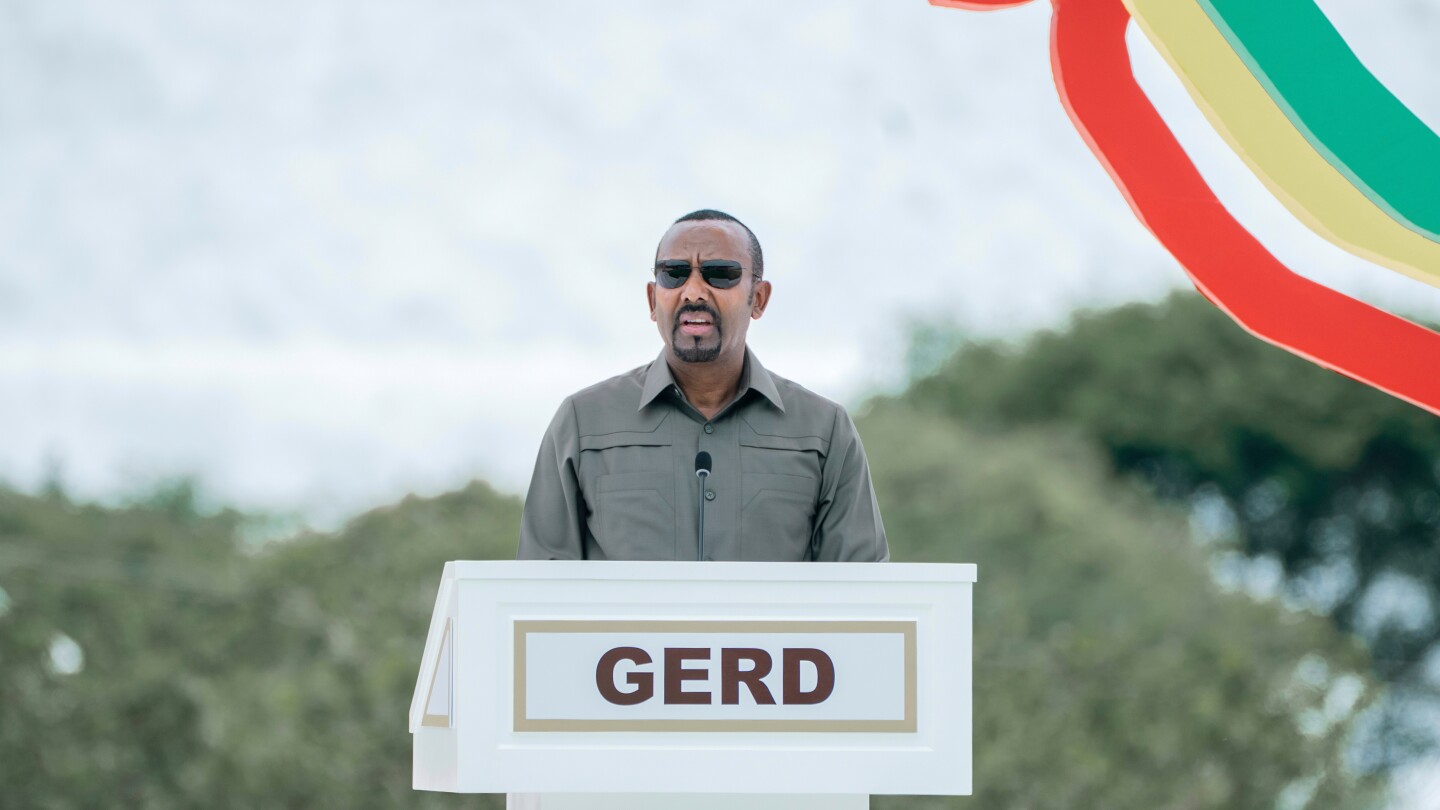
    Under Prime Minister Abiy Ahmed’s visionary leadership, Ethiopia is pursuing an ambitious transformation agenda marked by massive infrastructure projects while simultaneously navigating complex regional tensions. The recent completion of the contentious Grand Ethiopian Renaissance Dam on the Nile—a project vehemently opposed by Egypt and Sudan—stands as a testament to Ethiopia’s determination to achieve energy independence and economic sovereignty.

  • Iain Douglas-Hamilton, pioneering elephant conservationist, dies aged 83

    Iain Douglas-Hamilton, pioneering elephant conservationist, dies aged 83

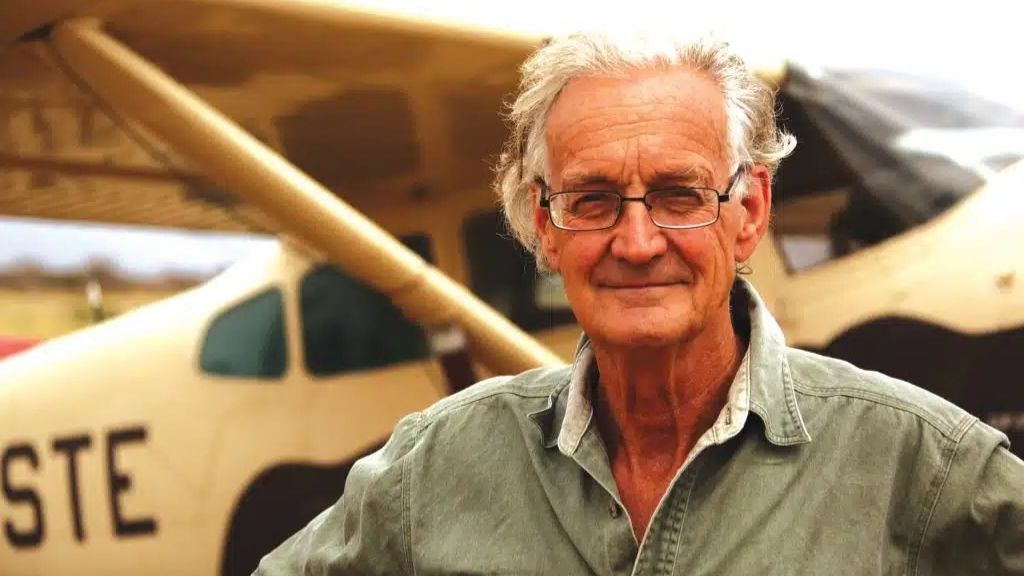
    The global conservation community is mourning the passing of pioneering elephant researcher Iain Douglas-Hamilton, who died at 83 in his Nairobi home on Monday. The British zoologist dedicated his life to studying and protecting African elephants, revolutionizing our understanding of these majestic creatures while facing extraordinary personal risks.

    Douglas-Hamilton’s groundbreaking research exposed the catastrophic impact of poaching on elephant populations, work that proved instrumental in the international ban on ivory trade. His methodology involved meticulous documentation of individual elephants at Tanzania’s Lake Manyara National Park, where he became so familiar with herds that he could identify them by unique ear shapes and skin patterns.

    Prince William, who spent time with Douglas-Hamilton in Africa, paid heartfelt tribute to the conservationist. “The memories of spending time in Africa with him will remain with me forever,” said the Prince, who serves as royal patron for Tusk, the African wildlife conservation charity where Douglas-Hamilton was an ambassador. The Prince praised him as “a man who dedicated his life to conservation and whose life’s work leaves lasting impact on our appreciation for, and understanding of, elephants.”

    The aristocrat-turned-conservationist faced numerous life-threatening challenges throughout his career, including elephant charges, poacher gunfire, and a devastating flood that destroyed his Kenyan research facility in 2010. Despite these hardships, he remained unwavering in his mission, eventually becoming a leading voice in alerting the world to what he termed “an elephant holocaust.”

    His advocacy efforts culminated in the 1989 Convention on International Trade in Endangered Species. When this agreement proved insufficient, Douglas-Hamilton successfully targeted the world’s largest ivory markets, resulting in near-total import-export bans from China and the United States in 2015.

    In 1993, he established Save the Elephants, a charity dedicated to protecting the animals and advancing human understanding of their behavior. The organization’s CEO Frank Pope, also Douglas-Hamilton’s son-in-law, stated: “Iain changed the future not just for elephants, but for huge numbers of people across the globe. His courage, determination and rigour inspired everyone he met.”

    Fellow conservationist Jane Goodall, featured with Douglas-Hamilton in the 2024 documentary “A Life Among Elephants,” noted that his work revealed elephants’ capacity for human-like emotions. “I think his legacy will be one of a man who did so much to help people understand how majestic, how wonderful elephants are,” Goodall remarked.

    Douglas-Hamilton expressed his own vision for the future shortly before his passing: “I think my greatest hope is that there will be an ethic developed of human-elephant coexistence.” He is survived by his wife Oria, children Saba and Dudu, and six grandchildren.