标签: Africa

非洲

  • Attacks by insurgents in Mozambique are compounding a displacement crisis, especially for children

    Attacks by insurgents in Mozambique are compounding a displacement crisis, especially for children

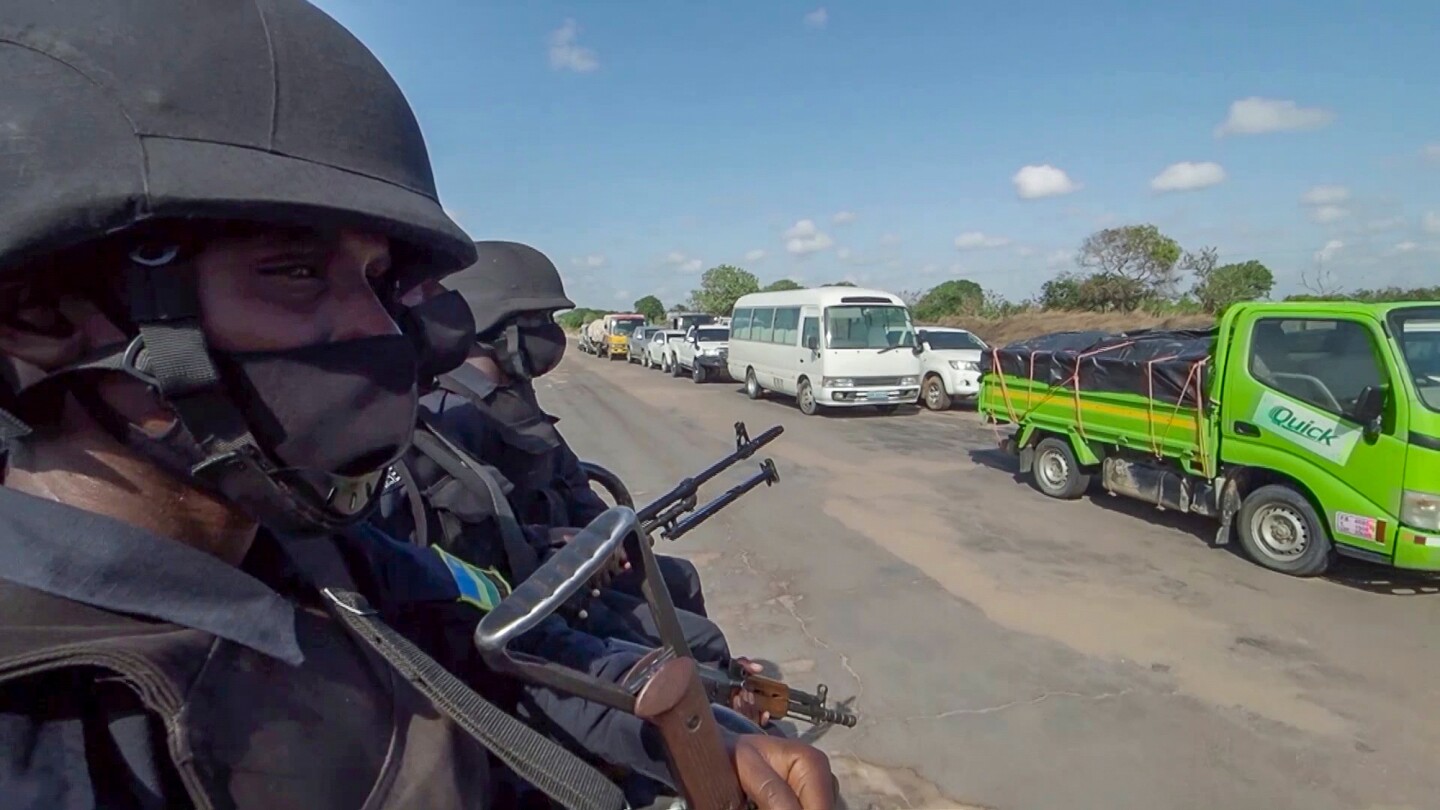
    A severe humanitarian emergency is unfolding in northern Mozambique as Islamic State-affiliated militants intensify their violent campaign, creating a massive displacement crisis with particularly devastating consequences for children. Recent weeks have witnessed a surge in attacks characterized by extreme brutality, including civilian beheadings, village burnings, and systematic targeting of communities across multiple provinces.

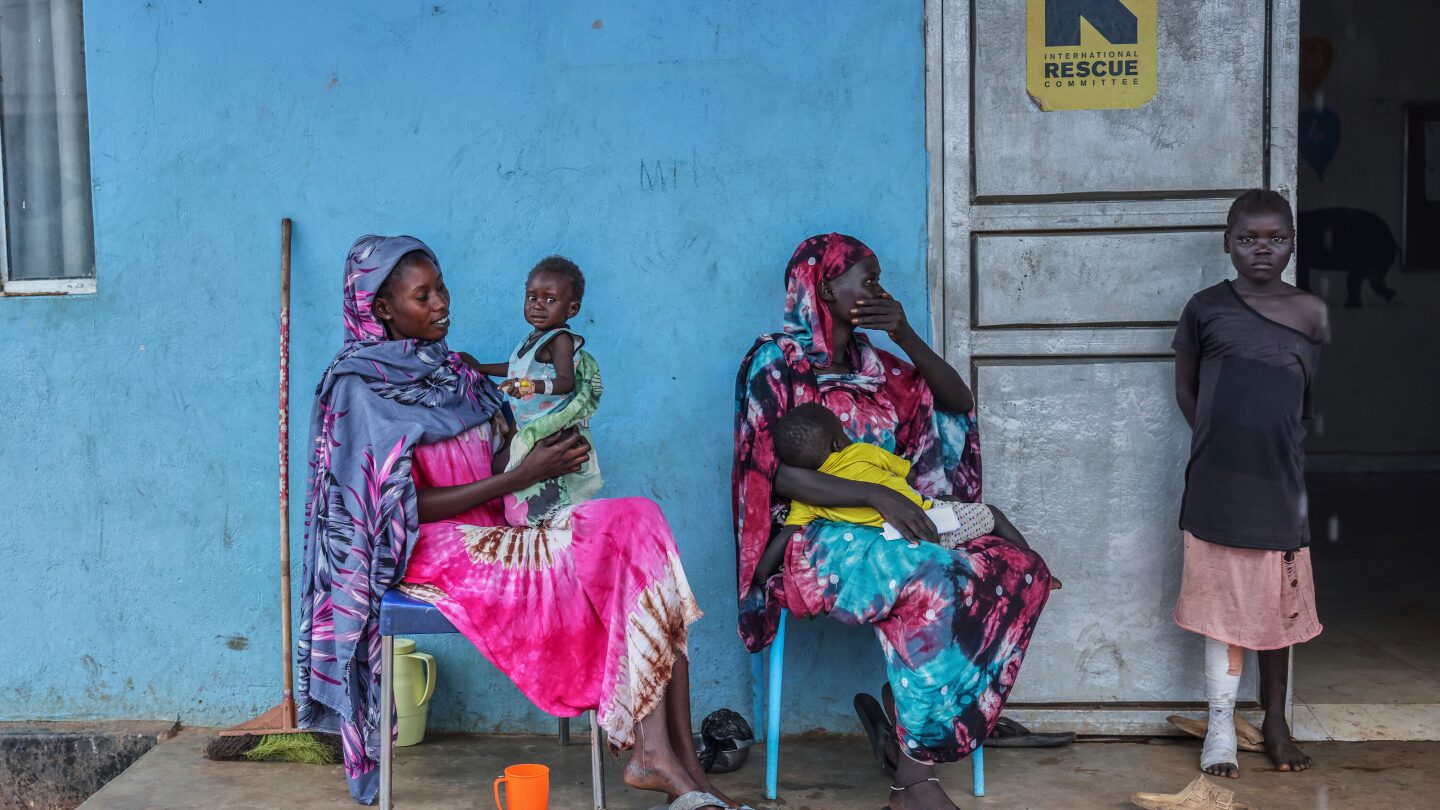
    The United Nations reports that November alone saw more than 100,000 people forcibly displaced from their homes, with approximately 70,000 being children according to UNICEF estimates. Many children have become separated from their families during the chaos, with some undertaking perilous journeys of five to six days alone to reach safety.

    This latest wave of displacement adds to an already catastrophic situation, bringing the total number of displaced persons to approximately 1.3 million since the insurgency began in 2017 in Cabo Delgado province. The militant group, identified as Islamic State-Mozambique by U.S. intelligence assessments, operates as an autonomous branch of the global terrorist network with an estimated 300 fighters seeking to impose sharia law.

    The insurgency gained international attention in 2021 when militants launched a sustained assault on the coastal town of Palma, resulting in numerous casualties and forcing French energy conglomerate Total to suspend a landmark $20 billion liquefied natural gas project—a crucial development initiative for Mozambique’s economy that is believed to have been a primary target.

    While initially concentrated in Cabo Delgado, the conflict has now expanded into neighboring Nampula and Niassa provinces, creating a broader regional security challenge. According to data from Armed Conflict Location and Event Data, the violence has claimed over 6,300 lives, including 2,700 civilians.

    Humanitarian organizations describe a system pushed to its absolute limits, with inadequate resources to address the overwhelming needs for food, water, shelter, and healthcare. Compounding the crisis, northern Mozambique faces additional environmental challenges including cyclones from the Indian Ocean—four of which have struck in the past year—following a severe drought in 2024.

    UN officials characterize the situation as reaching a ‘breaking point,’ with children comprising 67% of the displaced population and facing particular vulnerabilities including abduction, recruitment by militants, gender-based violence, and severe psychological trauma. Despite ongoing military assistance from Rwanda, the Mozambican government has struggled to contain the insurgency, leaving countless civilians in desperate circumstances with limited prospects for safety or stability.

  • Six players to watch at Afcon 2025

    Six players to watch at Afcon 2025

    The 35th edition of the Africa Cup of Nations (AFCON) is poised to kick off in Morocco on December 21st, culminating with the final in Rabat on January 18th. This prestigious tournament returns to North African soil for the first time since 1976, creating a compelling backdrop for both established superstars and emerging talents to showcase their abilities on the continental stage.

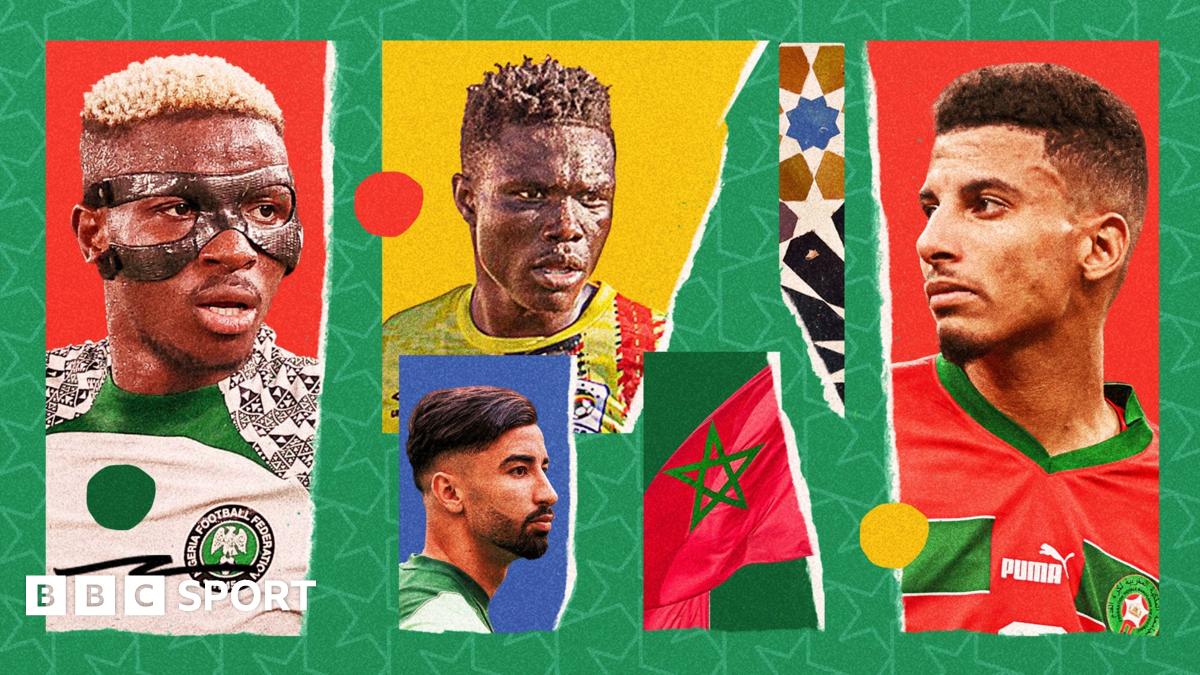
    Host nation Morocco enters the competition with heightened expectations but faces potential adversity as captain Achraf Hakimi, the reigning African Footballer of the Year, battles fitness concerns. Should Hakimi be unavailable, creative responsibility may fall to midfield orchestrator Azzedine Ounahi. The 25-year-old Girona playmaker, a product of Morocco’s esteemed Mohammed VI Academy, has rediscovered his exceptional form after a challenging period at Marseille, emerging as a potential linchpin for the Atlas Lions in Group A encounters against Comoros, Mali, and Zambia.

    Algeria’s attacking prospects have been significantly enhanced by the remarkable emergence of Mohamed Amoura. The Wolfsburg striker has delivered an extraordinary international scoring record with 11 goals in just eight appearances since March, establishing himself as a perfect complementary force to veteran leader Riyad Mahrez. Despite his modest stature, Amoura’s aerial prowess makes him a multifaceted threat that Group E opponents Sudan, Burkina Faso, and Equatorial Guinea must diligently contain.

    Nigeria’s championship aspirations appear intrinsically linked to the form and fitness of talismanic striker Victor Osimhen. Statistical evidence reveals the Super Eagles’ profound dependence on the Galatasaray forward, having secured merely four points from fifteen available during his absence in World Cup qualifying. Described by teammates as operating on “another level,” Osimhen’s performance will be pivotal against Group C adversaries Tanzania, Uganda, and Tunisia.

    Senegal, the 2021 champions, continue to benefit from the established excellence of Sadio Mané while integrating promising new talent. Seventeen-year-old sensation Ibrahim Mbaye has generated substantial excitement following his record-breaking debut for the Teranga Lions, becoming the nation’s youngest ever goalscorer. The Paris Saint-Germain prospect, who recently started against Barcelona in the Champions League, represents the exciting future of Senegalese football as they navigate Group D matches against Botswana, DR Congo, and Benin.

    Uganda’s return to AFCON after a six-year absence features the dynamic talents of Rogers Mato. The 22-year-old winger has demonstrated exceptional form for both club and country, scoring spectacular goals during qualification and emerging as a joint-top scorer in North Macedonia’s domestic league. His creative influence will be essential against formidable Group C opponents including Nigeria and Tunisia.

    Historical achievement marks Mozambique’s campaign, with Sunderland defender Reinildo becoming the nation’s first Premier League representative. The 31-year-old left-back’s leadership and top-flight experience provide newfound credibility to a squad seeking their first-ever knockout stage appearance against Group F powerhouses Ivory Coast, Cameroon, and Gabon.

  • Ghanaian influencer charged with scamming elderly Americans

    Ghanaian influencer charged with scamming elderly Americans

    Ghanaian social media personality Frederick Kumi, widely known by his online alias Abu Trica, has been taken into custody following allegations of masterminding an elaborate romance scam that defrauded elderly American victims of more than $8 million. The sophisticated operation utilized artificial intelligence to fabricate convincing digital personas that targeted vulnerable seniors through social platforms and dating websites.

    United States prosecutors detailed how Kumi and his associates built emotional connections with victims through sustained intimate communication across various digital channels before fabricating emergency scenarios to solicit funds. These fabricated crises included fabricated medical emergencies, travel expenses, and fraudulent investment opportunities. The illicit proceeds were then funneled through accomplices posing as third-party intermediaries.

    The 31-year-old influencer, who also operated under the name Emmanuel Kojo Baah Obeng, drew suspicion through his conspicuous display of luxury vehicles, substantial cash, and premium properties to his extensive Instagram following exceeding 100,000 followers. His online ostentation eventually triggered investigations into the legitimacy of his wealth sources.

    Kumi now faces serious charges in the U.S. judicial system, including conspiracy to commit wire fraud and money laundering conspiracy. If convicted on all counts, he potentially faces a maximum sentence of 20 years imprisonment. Following a coordinated international operation between Ghanaian and American authorities, his extradition to the United States is now being pursued.

    This case represents part of a broader transatlantic crackdown on financial crimes targeting elderly Americans. The prosecution is proceeding under the U.S. Elder Abuse Prevention and Prosecution Act, reflecting increased focus on protecting vulnerable demographics from organized fraud networks. Recent months have seen several similar extraditions and convictions, including a Ghanaian national known as Dada Joe Remix and Nigerian national Oluwaseun Adekoya, who received a 20-year sentence for comparable money laundering activities.

  • Kunming fund enhances global biodiversity efforts

    Kunming fund enhances global biodiversity efforts

    Global environmental leaders have hailed the Kunming Biodiversity Fund as a transformative force in advancing worldwide conservation initiatives, particularly across developing nations. Established by China in May 2024 with a substantial commitment of 1.5 billion yuan ($213 million), this international financing mechanism is rapidly scaling up biodiversity protection projects worldwide.

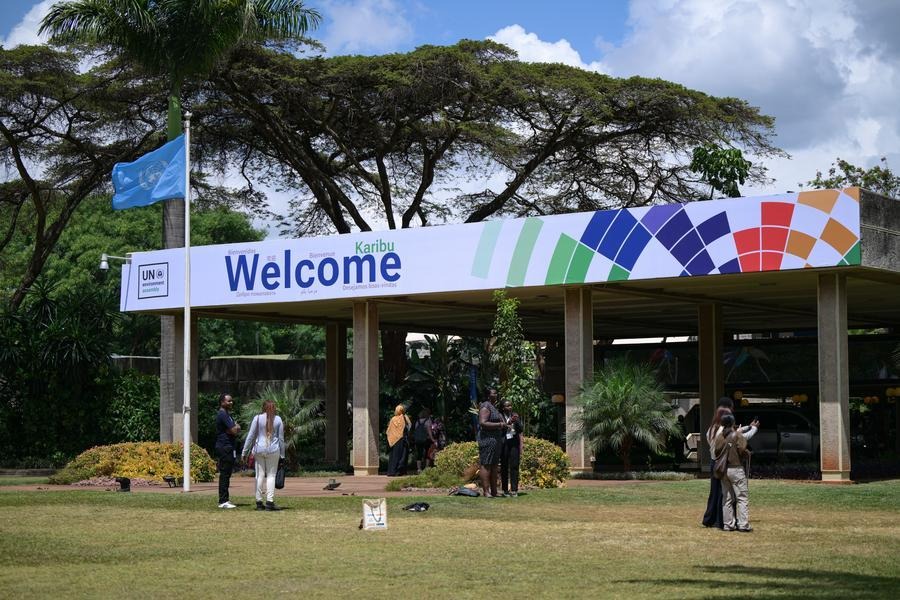
    At the recent seventh session of the United Nations Environment Assembly in Nairobi, Kenya, Elizabeth Mrema, deputy executive director of the UN Environment Programme, revealed the fund’s significant progress. The initiative has established an Independent Technical Advisory Group, launched calls for catalytic and full-size projects, and implemented operational manuals to ensure consistency and efficiency in its conservation efforts.

    The fund addresses a critical financing gap hindering implementation of the Kunming-Montreal Global Biodiversity Framework adopted in 2022. In a major development last October, the initiative endorsed 22 comprehensive projects valued at $27 million, supporting biodiversity action across 34 countries. These projects are translating global commitments into tangible national actions through policy strengthening, capacity building, and resource mobilization.

    Steven Victor, Environment Minister of Palau, emphasized the fund’s importance for Pacific Island nations facing unique challenges. “Food system transformation is critical for Palau, where we import 80 percent of our food,” Victor noted. He expressed hope that the project would provide scientific foundation and expertise needed to restore traditional connections with nature while addressing modern conservation needs.

    Sri Lanka’s Environment Minister Dammika Patabendi highlighted how the fund will support creation of a unified national biosecurity system to proactively address invasive species. “This investment is transformative,” Patabendi stated, explaining that it will institutionalize a comprehensive framework for invasive species prevention and establish a national digital monitoring system for real-time response capabilities.

    China’s Vice-Minister of Ecology and Environment Guo Fang reiterated the fund’s role in advancing global biodiversity governance and supporting developing countries in achieving 2030 conservation targets. The initiative represents China’s commitment to multilateralism and building a shared future for humanity, while playing a leading role in narrowing the global biodiversity financing gap.

  • About 200 West African soldiers in Benin for ‘clean-up’ after failed coup

    About 200 West African soldiers in Benin for ‘clean-up’ after failed coup

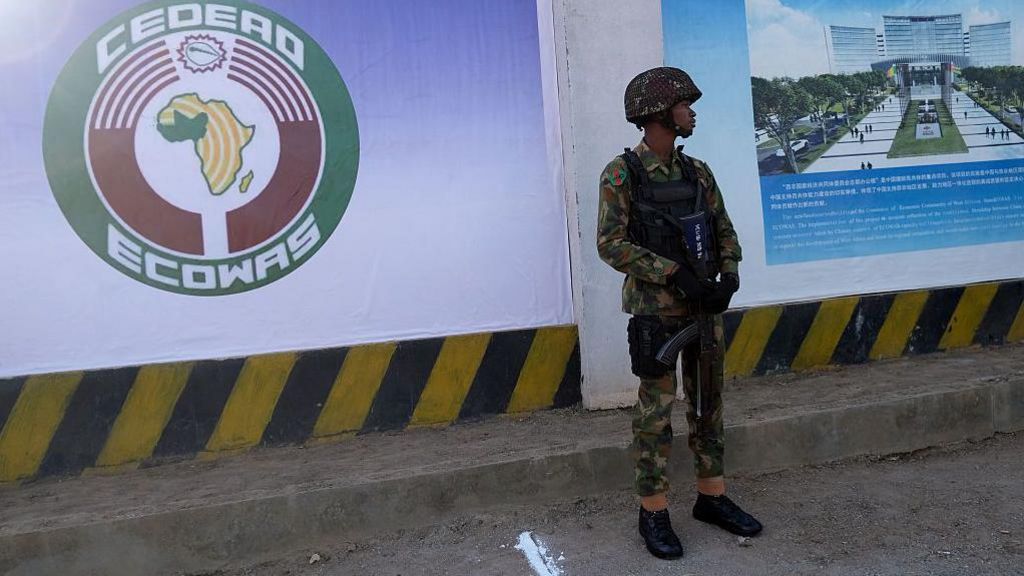
    Benin’s government has officially confirmed the presence of approximately 200 West African soldiers within its borders following Sunday’s thwarted coup attempt. Foreign Minister Olushegun Adjadi Bakari disclosed that these regional forces, primarily from Nigeria and Ivory Coast, remain engaged in “sweep and clean-up operations” to stabilize the nation.

    The failed takeover unfolded when mutineers seized a military base and state television headquarters before Nigerian fighter jets intervened decisively. This military support, coordinated through the Economic Community of West African States (ECOWAS), enabled Beninese forces to repel the insurgents with surgical precision to minimize civilian casualties.

    Minister Bakari, speaking alongside Nigerian counterpart Yusuf Maitama Tuggar in Abuja, emphasized that the coup had “already failed” before international assistance was formally requested. The collaborative response demonstrated unprecedented diplomatic and military coordination between neighboring nations.

    Security operations continue as the alleged coup leader remains at large, reportedly seeking refuge in neighboring Togo. The rebels had justified their actions by criticizing President Patrice Talon’s management of security challenges in northern Benin, where jihadist insurgencies from Niger and Burkina Faso have increasingly threatened stability.

    ECOWAS, facing regional pressure after multiple successful coups in West Africa, has signaled strengthened commitment to protecting democratic governance. The bloc deployed troops from Nigeria, Ghana, Sierra Leone, and Ivory Coast to secure critical infrastructure and prevent violence resurgence.

    Discussions regarding the duration of regional forces’ presence remain ongoing, with Bakari noting any decisions will prioritize coordination with Beninese defense forces who demonstrated considerable bravery during the crisis. The potential continued involvement of French special forces, who reportedly assisted loyalist troops, remains unconfirmed.

    President Talon, a Western ally completing his second term, is scheduled to leave office next year with elections anticipated in April.

  • Ethiopia arrests ‘indecently’ dressed TikTok stars after awards ceremony

    Ethiopia arrests ‘indecently’ dressed TikTok stars after awards ceremony

    Ethiopian authorities have detained a sixth prominent TikTok creator amid a widening crackdown on social media influencers accused of violating the country’s cultural norms through their attire at a public event. The latest arrest targets Adonay Berhane, a 25-year-old motivational content creator with nearly four million followers who recently received “TikToker of the Year” honors at the very ceremony now embroiled in controversy.

    The arrests have sparked intense debate across Ethiopian social media platforms, creating a clear division between proponents of creative expression and defenders of traditional values. Those detained include Wongelawit Gebre Endrias (known online as Evan), a fashion influencer who attended the event braless beneath an oversized blazer, and Yohannes Mekonnen (Jahnny), a dancer who carried a man-bag while accepting his video production award.

    Federal police confirm all six influencers remain under investigation for allegedly promoting behavior that undermines public morality. Authorities have expressed particular concern about the growing influence of international digital trends on Ethiopian youth, warning of further action against anyone perceived to be violating the nation’s cultural values or promoting what they term “shallow culture.

    The government has maintained official silence on the matter, while family members have expressed shock at the detentions. Adonay’s mother, Abeba Gebru, described her son as an “example to Ethiopian youth” and her personal “backbone” in comments to BBC Tigrinya.

    This incident highlights the escalating tension between Ethiopia’s rapidly expanding digital landscape—with over eight million social media users—and its deep-rooted cultural conservatism. The case represents a significant test case for how traditional societies navigate the globalizing influence of social media platforms and their content creators.

  • The US threatens to cut aid to South Sudan, citing its treatment of humanitarian groups

    The US threatens to cut aid to South Sudan, citing its treatment of humanitarian groups

    The United States has issued a stern warning to South Sudan’s government, indicating potential significant reductions in foreign assistance due to alleged obstruction of humanitarian operations. In an official statement released Thursday by the State Department’s Bureau for African Affairs, American officials accused Juba of imposing prohibitive fees on aid organizations and creating operational barriers that violate international obligations.

    Washington revealed it has channeled over $9.5 billion in assistance to South Sudan since the nation gained independence in 2011. This substantial support contrasts sharply with the approximately $25 billion in oil revenues collected by the South Sudanese government, which has reportedly failed to translate into meaningful public service development.

    The humanitarian situation remains critical, with United Nations data indicating more than 70% of South Sudan’s 11 million citizens depend on external aid for basic survival needs including food and healthcare. The U.S. statement attributed this crisis directly to systemic governance failures, misappropriation of public funds, security instability fostered by national leadership, and what it termed ‘predatory rent-seeking’ behavior targeting humanitarian resources.

    This diplomatic confrontation marks the latest strain in bilateral relations between the two nations. Earlier this year, the U.S. suspended visa issuances to South Sudanese citizens following a deportation-related diplomatic dispute. The South Sudanese government had not issued an immediate response to the latest allegations at the time of reporting.

  • Kenyan court suspends ‘landmark’ US health aid deal over data privacy concerns

    Kenyan court suspends ‘landmark’ US health aid deal over data privacy concerns

    A Kenyan high court has issued an interim injunction suspending the implementation of a major $2.5 billion health assistance agreement between Kenya and the United States, citing serious data privacy concerns. The ruling comes in response to a legal challenge filed by consumer rights advocates who argue the pact could enable unauthorized transfer of sensitive medical information.

    The court’s decision specifically prohibits Kenyan authorities from taking any action to implement the agreement insofar as it facilitates “the transfer, sharing or dissemination of medical, epidemiological or sensitive personal health data.” This suspension will remain in effect until the case receives full judicial review, scheduled for February 12.

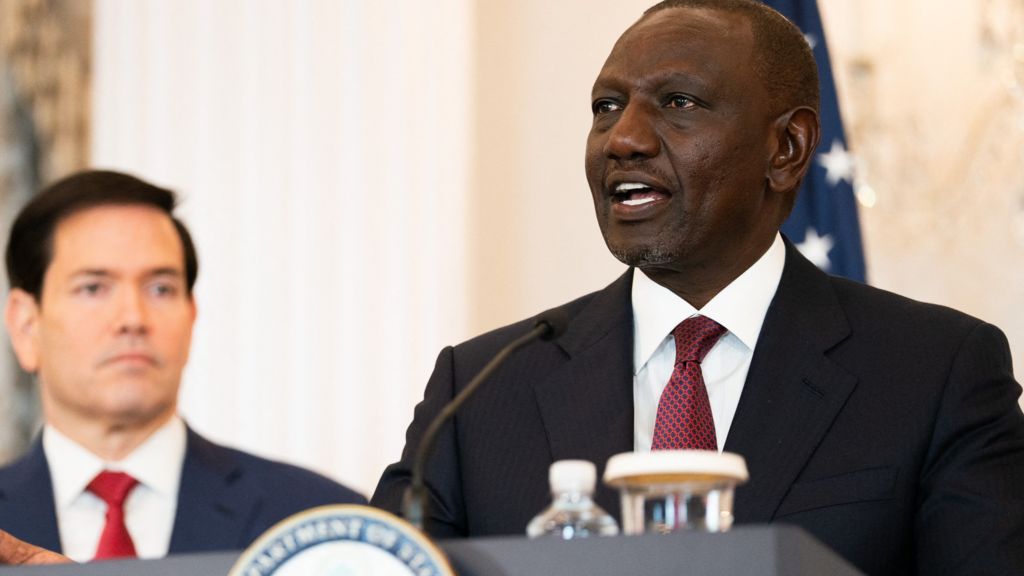
    The health agreement, hailed as “landmark” by US Secretary of State Marco Rubio during last week’s signing ceremony, represents a significant shift in American foreign aid strategy. The Trump administration has been pursuing direct government-to-government health partnerships across Africa, moving away from traditional aid agency channels. Under this new approach, recipient countries must increase their own health spending commitments. In the Kenya arrangement, the US pledged $1.7 billion while Kenya committed $850 million with plans to gradually assume greater financial responsibility.

    Despite government assurances, many Kenyans have expressed apprehension that the deal could grant US authorities access to highly personal medical records, including HIV status, tuberculosis treatment history, and vaccination data. The Consumer Federation of Kenya (Cofek), one of the petitioners, warned that external control over pharmaceuticals for emerging diseases and digital health infrastructure—including cloud storage of raw data—could compromise Kenya’s strategic control of its health systems.

    President William Ruto attempted to reassure citizens, stating that the attorney-general had meticulously reviewed the agreement to ensure Kenyan data protection laws would prevail. The US government has not publicly addressed the data privacy concerns raised by the court case. Similar health agreements have been signed with Rwanda, Lesotho, Liberia, and Uganda as part of the US global health strategy overhaul.

  • PFL contract ends soon – Ngannou

    PFL contract ends soon – Ngannou

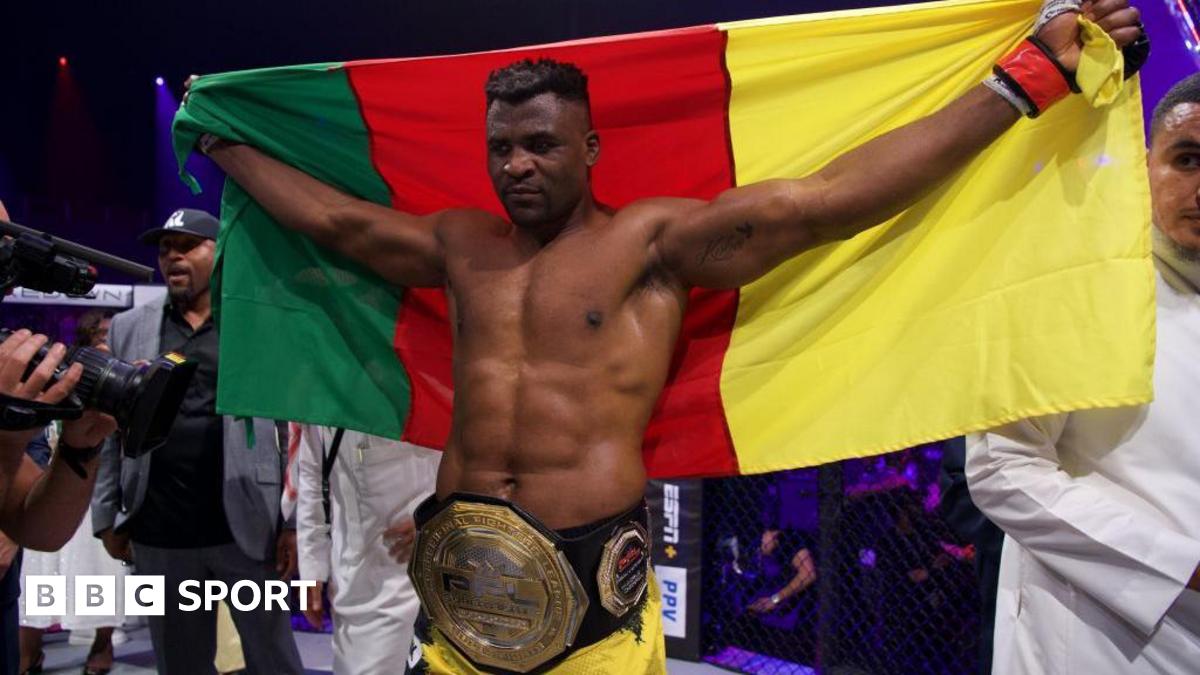
    Combat sports superstar Francis Ngannou has revealed his Professional Fighters League contract is approaching its conclusion, setting the stage for potential blockbuster matchups in 2026. The Cameroonian powerhouse made these revelations during a recent appearance on the Ariel Helwani Show, generating significant buzz throughout the mixed martial arts community.

    The former UFC heavyweight champion, now 39, acknowledged his contractual obligations with PFL are winding down, stating unequivocally that ‘everything can happen’ once he achieves free agency. Despite signing with the organization in 2023, Ngannou has competed just once under the PFL banner, delivering a spectacular knockout victory against Renan Ferreira last year.

    Ngannou specifically addressed the possibility of two dream matchups that have captivated fight fans worldwide: a long-anticipated clash with UFC legend Jon Jones and a crossover bout against former boxing world champion Deontay Wilder. While expressing openness to these opportunities, the fighter maintained a pragmatic perspective regarding the complexities of making such high-profile fights materialize.

    PFL CEO John Martin confirmed the contractual situation, noting Ngannou has one remaining fight obligation before both parties will engage in discussions about his future. Though Ngannou didn’t specify an exact contract expiration date, he indicated free agency could align with the UFC’s scheduled White House event on July 4th in Washington DC.

    The fighter’s departure from UFC in January 2023 stemmed from well-documented disagreements with promotion president Dana White, primarily concerning contractual freedom rather than financial compensation. This history adds intrigue to any potential UFC return, particularly given White’s recent characterization of Ngannou as a ‘bad guy’ following alleged physical confrontations after previous fights.

    Ngannou responded to these allegations with characteristic composure, expressing diminished energy for drama and emphasizing his desire for peace and professional respect. His career trajectory remains particularly fascinating given his recent foray into boxing, where he faced defeats against heavyweight boxing stars Tyson Fury and Anthony Joshua despite earning widespread respect for his performances.

    When questioned about re-signing with PFL, Ngannou maintained that securing fights remains his immediate priority, stating: ‘First I need a fight, because I don’t want to stay out this long. But if there is a fight, why not?’ This pragmatic approach underscores the fighter’s primary motivation: staying active against elite competition regardless of promotional banner.

  • Ghana deports Israelis in retaliation for alleged mistreatment of Ghanaians

    Ghana deports Israelis in retaliation for alleged mistreatment of Ghanaians

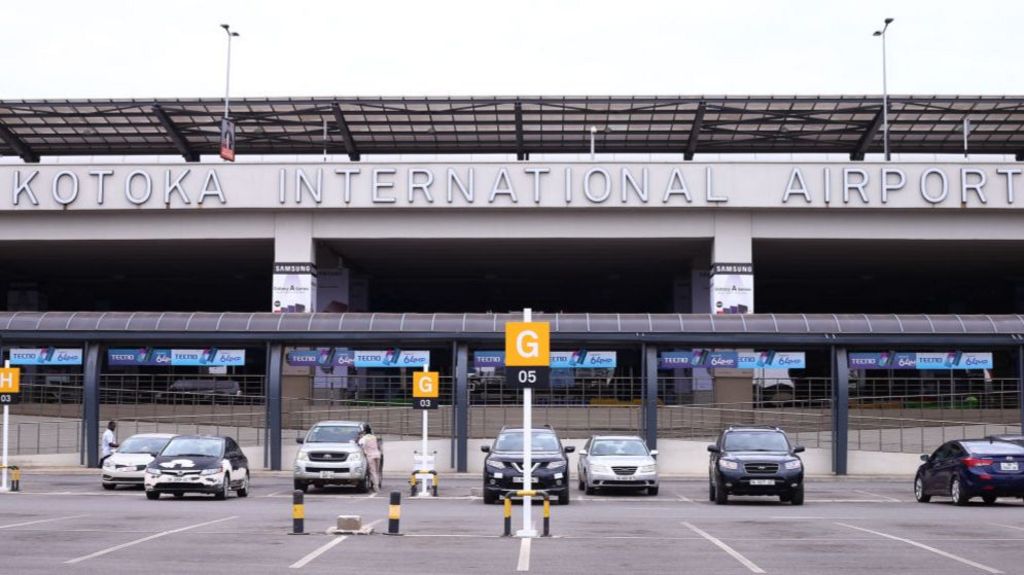
    Ghana has executed a decisive diplomatic response by deporting three Israeli citizens from Kotoka International Airport in Accra, following alleged mistreatment of Ghanaian nationals at Israel’s Ben Gurion International Airport. The move appears to be a direct reciprocal action in a growing bilateral dispute.

    The tension escalated after seven Ghanaian citizens, including four official delegates attending a cybersecurity conference in Tel Aviv, were reportedly detained without explanation by Israeli authorities. According to Ghanaian officials, four members of the delegation were released after five hours of detention, while three other Ghanaian travelers faced deportation.

    Ghana’s Foreign Ministry strongly condemned what it described as “humiliating treatment” of its citizens, summoning a senior Israeli diplomat in Accra to address the incident. Both nations have subsequently agreed to pursue amicable resolution measures despite the current strains.

    In an official statement, the Ghanaian government expressed concern that Israeli authorities were “unfairly targeting Ghanaian travellers” and emphasized expectations that Ghanaian citizens “be treated with dignity and respect in much the same way as other governments expect Ghana to treat their nationals.”

    The diplomatic friction may be connected to Ghana’s recent foreign policy positions regarding the Israel-Palestinian conflict. In September, Ghana condemned Israeli airstrikes near Qatar as “clear violation of international law,” and previously urged Israel to facilitate increased humanitarian aid to Gaza. President John Mahama further demonstrated solidarity by donating 40 tonnes of Ghanaian chocolate and cocoa products to Palestinians.

    Analysts suggest these actions may have contributed to current tensions, particularly if perceived by Israel as demonstrating bias. However, Ghana maintains that its embassy in Tel Aviv remains “responsive and compliant with international law,” countering Israeli claims of non-cooperation regarding deportation procedures.

    Despite the current dispute, both nations acknowledge decades of generally friendly relations, making the recent incidents particularly notable within their diplomatic history.