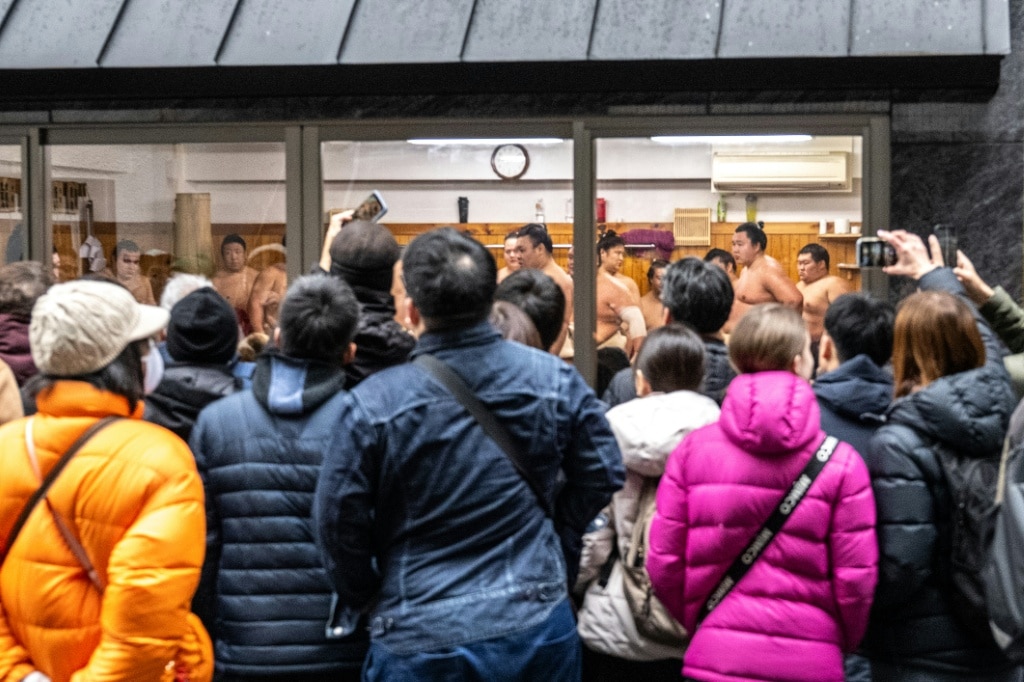
In a strategic revival of cultural diplomacy, Japan is redeploying its ancient sport of sumo wrestling as a soft power instrument after nearly twenty years of limited international presence. The thunderous collision of heavyweight wrestlers, once a rare spectacle outside Japan, is now scheduled for Paris in June following a successful London showcase at Royal Albert Hall last year—marking the sport’s most significant overseas engagement since the 2005 Las Vegas tournament.
The Japan Sumo Association (JSA) has historically utilized these imposing athletes as cultural ambassadors since as early as 1854, when wrestlers demonstrated their prowess before American Commodore Matthew Perry during Japan’s diplomatic opening. While Perry famously described the exhibition as ‘barbaric’ in his journals, modern perceptions have shifted dramatically. According to Penn State University’s Asian studies professor Jessamyn R. Abel, contemporary audiences who already perceive Japan as culturally compelling find sumo reinforces that positive perception.
This diplomatic strategy evolved throughout the 20th century, with sumo tours complementing Japanese foreign policy during the Cold War era. A notable historical moment occurred in 1973 when wrestlers visited Beijing to celebrate normalized Sino-Japanese relations, coinciding with China’s reciprocal ‘panda diplomacy’ that sent bears to Tokyo. However, current geopolitical tensions would render such exchanges less impactful today, notes University of Vermont historian Erik Esselstrom.
The sport’s international decline stemmed from multiple factors: the JSA’s renewed focus on domestic audiences, waning global popularity exacerbated by scandals, pandemic travel restrictions, and insufficient foreign interest. Yasutoshi Nakadachi, a former wrestler organizing the Paris tour, acknowledges the association previously faced a ‘complicated situation’ regarding overseas events.
Current conditions have created an ideal environment for sumo’s diplomatic comeback. Japan anticipates record tourism numbers in 2025, with international visitors increasingly seeking authentic cultural experiences. Domestic tournaments now consistently sell out, reflecting renewed enthusiasm. Promoter David Rothschild, who initially approached the JSA a decade ago without response, finally secured cooperation in 2023 under strict conditions that prioritize sumo’s traditional integrity over entertainment value.
The Paris event, building on previous visits in 1986 and 1995, represents more than athletic competition—it symbolizes cultural exchange. Current wrestlers like cinema enthusiast Wakamotoharu anticipate personal cultural experiences, while organizers remember past interactions with enthusiastic supporters including former French President Jacques Chirac. As these cultural ambassadors prepare to walk Parisian cobblestones, they carry forward a centuries-old tradition of diplomatic engagement through athletic excellence.