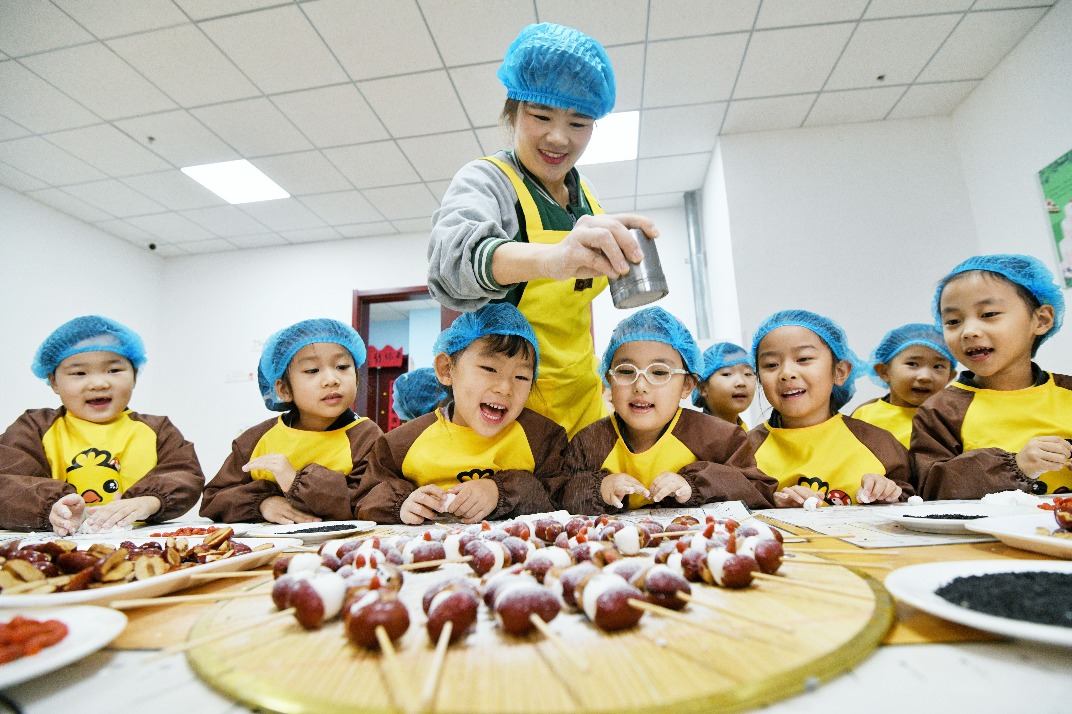
Chinese authorities have introduced a comprehensive draft regulation to fundamentally transform food safety protocols in the nation’s kindergartens, responding to a series of alarming contamination incidents that affected hundreds of children. The State Administration for Market Regulation, in collaboration with the Ministry of Education, has proposed a multi-layered oversight system that represents one of the most stringent kindergarten food safety frameworks globally.
The regulatory overhaul establishes a principal responsibility system that holds kindergarten administrators directly accountable for food safety outcomes. The framework implements three-tiered inspection mechanisms requiring daily checks, weekly risk assessments, and monthly comprehensive reviews, with all documentation subject to regulatory audit. This systematic approach aims to create an integrated risk-prevention ecosystem spanning the entire food supply chain.
The initiative comes against the backdrop of disturbing incidents that prompted public outcry. In July 2025, over 200 children at a Gansu province kindergarten were found with dangerously elevated blood lead levels—traced to industrial pigments added to enhance food appearance, with some samples exceeding safety limits by 2,000 times. Another October 2024 case in Xi’an saw 48 children contract norovirus amid serious hygiene violations at an unlicensed facility.
Key provisions include a definitive ‘negative list’ prohibiting high-risk items such as nitrites, bulk cooking oils, unpasteurized salt, cold meats, and potentially toxic ingredients including green beans, wild mushrooms, and sprouted potatoes. The regulation mandates ‘smart kitchen’ implementations with continuous video monitoring covering all food handling stages—from ingredient reception and storage to preparation, distribution, and consumption.
A distinctive requirement establishes a mandatory meal accompaniment system where kindergarten principals or designated officials must share meals with children while maintaining detailed records. The regulation further stipulates strict two-hour consumption windows after preparation and mandates specialized sealed equipment for food transportation, followed by rigorous cleaning protocols.
Concurrently, four central government institutions have launched a comprehensive 2026 safety campaign addressing multiple concerns including mental health services, bullying prevention, transportation security, cyber safety, and enhanced emergency response capabilities alongside the food safety enhancements. With 253,300 kindergartens serving approximately 35.84 million children nationwide, these measures represent a significant step toward safeguarding the health of China’s youngest generation.