SANTIAGO, Chile — For many communities around the world, Easter weekend brings colorful candy-filled egg hunts for children chasing sweet treats. But at Chile’s largest private zoological park, this beloved holiday tradition gets a playful, animal-centric twist: this Easter egg hunt is exclusively for the park’s residents, with human visitors cheering them on from the sidelines.
This year, Bioparque Buinzoo, located in the heart of Chile’s capital Santiago, held its 16th annual animal Easter egg hunt, a long-running event crafted to serve two key goals: delight visiting crowds observing the fun, and encourage native foraging behaviors that support the animals’ psychological and physical wellbeing.
Across different animal enclosures, zookeepers hid holiday-themed treats that matched each species’ natural diet, wrapped in festive Easter-inspired packaging instead of the store-bought chocolate eggs familiar to human celebrants. For small wild cats including caracals, zookeepers tucked meat-filled pouches decorated to look like bright Easter eggs high on tree branches, prompting the agile felines to leap and climb to retrieve their snacks – just as they would climbing trees to hunt prey in the wild.
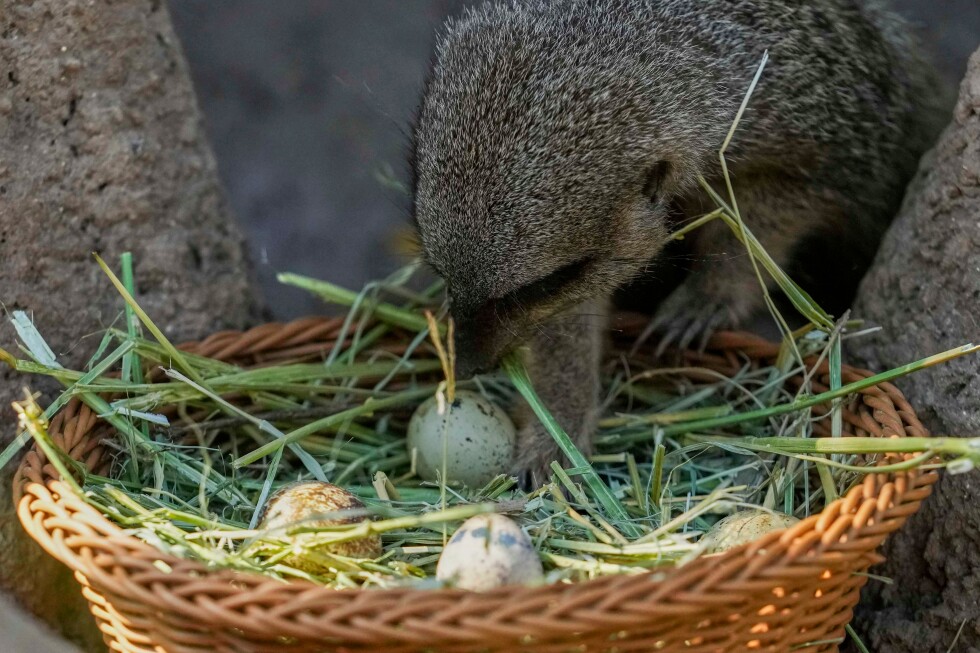
Meerkats had their hidden treats placed in a small basket nestled between rocky outcrops in their enclosure, encouraging the curious burrowing animals to sniff out their meal. For primate residents including lemurs and multiple species of monkeys, zookeepers hid fresh, natural fruits inside brown paper bags printed with playful bunny graphics, matching the Easter holiday theme. Even the zoo’s flock of sheep got in on the fun: they foraged for food pellets tucked inside a colorful, holed sphere, a puzzle-like challenge that kept the animals engaged.
Ignacio Idalsoaga, director of Bioparque Buinzoo, explained the core logic behind the annual event. In their natural wild habitats, the vast majority of these species spend a large portion of their daily lives searching for food, a routine that keeps them both physically active and mentally stimulated. “We wanted to recreate that natural searching behavior in a captive environment to keep our animals healthy and engaged,” Idalsoaga said. He also made clear that none of the “eggs” contained chocolate, a food toxic to many animals – all treats matched what the animals would naturally eat in the wild. Idalsoaga added that the zoo’s creative team brought extra imagination to this year’s event, crafting new themed challenges for animals across the park to enjoy.