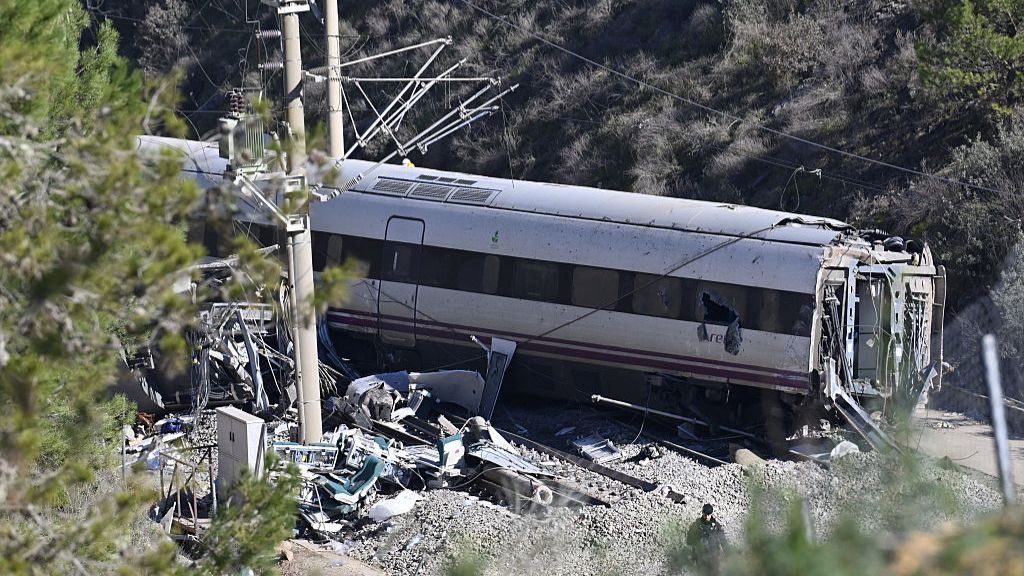
Spain’s railway system confronts unprecedented disruption as train drivers launch a nationwide three-day strike starting Monday, demanding immediate safety improvements following two catastrophic accidents that claimed 47 lives and injured dozens in January.
The labor action, organized by Semaf train drivers’ union, represents a watershed moment for Spain’s previously celebrated rail infrastructure. Union officials cite ‘constant deterioration of the rail network’ and insufficient safety guarantees as primary motivations for the work stoppage. Their demands include expanded staffing, increased investment, and comprehensive maintenance upgrades.
This safety crisis emerged from twin tragedies that occurred within 48 hours. On January 18, a high-speed train derailment and subsequent collision in Adamuz resulted in 46 fatalities—Spain’s deadliest rail disaster in over a decade. Preliminary investigations by the rail accident commission (CIAF) identified track fractures preceding the derailment, with similar groove patterns found on multiple trains.
Just two days later, a collapsed wall struck a passing train in Catalonia, killing a trainee driver and injuring 37 passengers. Rail authorities confirmed the infrastructure failure directly impacted the driver’s cabin before damaging the lead carriage where most casualties occurred.
Post-accident safety inspections have revealed multiple faults and maintenance deficiencies across various routes, amplifying concerns about systemic infrastructure problems. The discoveries have triggered severe travel disruptions and intensified scrutiny of Spain’s rail investment priorities.
Transport Minister Óscar Puente has defended the government’s record, citing €700 million invested in modernizing the Madrid-Andalusia line—which includes the accident site—while denying allegations of inadequate maintenance or obsolete infrastructure.
Prime Minister Pedro Sánchez is scheduled to face parliamentary questioning regarding the rail system failures later this week, as the nation grapples with balancing transportation safety against infrastructure investment accountability.