A preliminary investigation into Spain’s deadliest rail accident in over a decade has revealed that a critical track fracture occurred prior to the passage of a high-speed train that derailed near Adamuz last Sunday, resulting in 45 fatalities. The catastrophic incident occurred at approximately 19:45 local time when an Iryo-operated train traveling from Málaga to Madrid experienced a derailment of its final three carriages, which subsequently collided with an oncoming state-run Renfe service bound for Huelva.
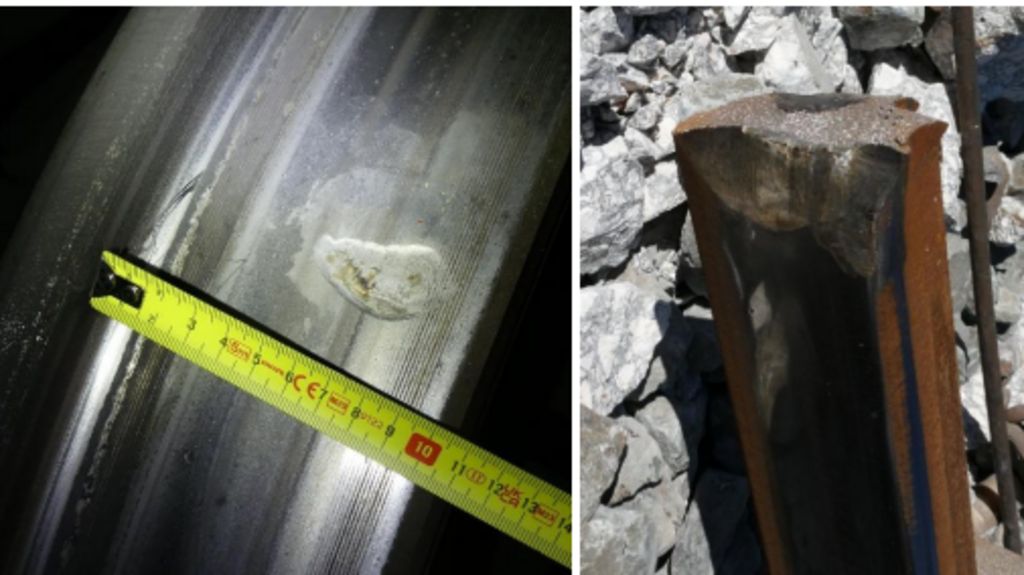
The Commission for Railway Accident Investigations (CIAF) has identified a 40-centimeter gap in the track as the central focus of their inquiry. Critical evidence emerged when investigators discovered distinctive grooves on the wheels of multiple trains that had traversed the same section of track before the disaster. These markings were found not only on the Iryo train’s carriages that remained on the rails but also on three preceding trains that passed over the compromised track at 17:21, 19:01, and 19:09 on Sunday evening.
The technical report indicates that ‘these notches in the wheels and the deformation observed in the track are compatible with the fact that the track was cracked’ before the derailment occurred. Particularly telling was the discovery of a groove on the outer edge of carriage five—the final carriage that did not derail—suggesting the rail was already tilting outward before carriage six completely lost contact with the tracks.
Spanish Transport Minister Óscar Puente has characterized the CIAF report as a ‘working hypothesis’ requiring further detailed analysis. While acknowledging that definitive answers remain premature, Minister Puente indicated that if the track fracture proves to be the primary cause, it likely developed in the immediate hours preceding the accident and would have been undetectable by existing monitoring systems.
This tragedy represents Spain’s most severe rail disaster since the 2013 Galicia derailment that claimed 80 lives and injured 140 passengers. The investigation continues as authorities work to determine the exact sequence of events and implement preventive measures for the future.