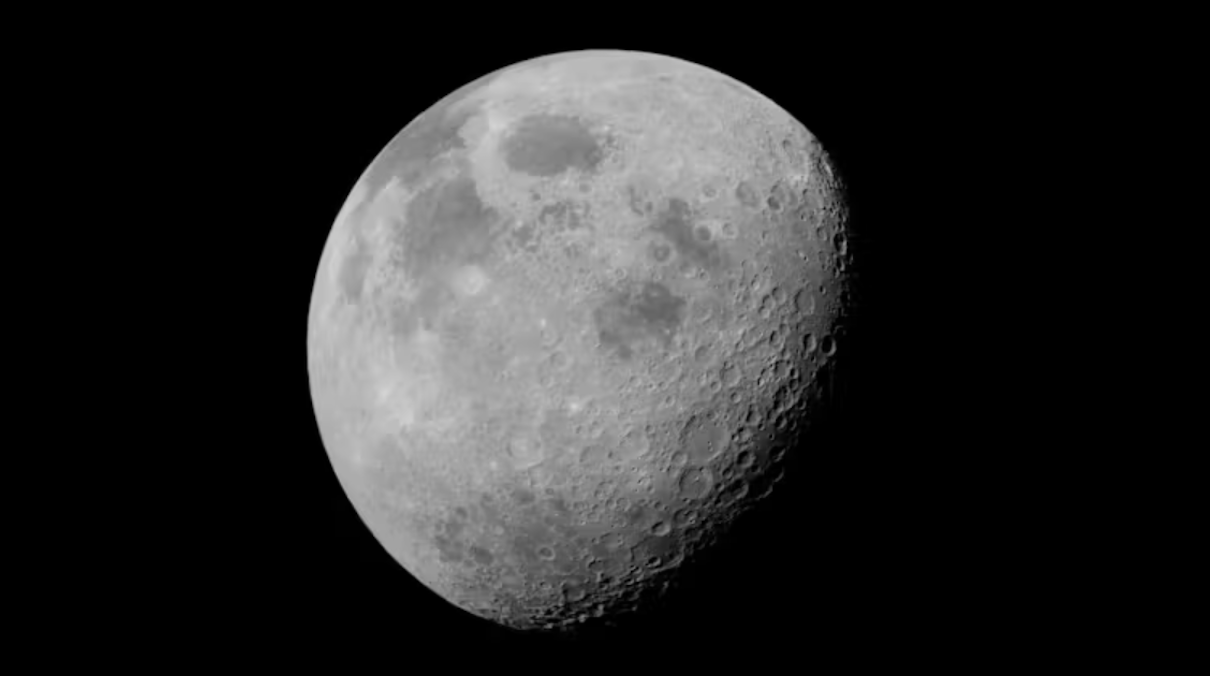
The first space race was defined by symbolic achievements like planting flags and leaving footprints on the moon. Today, the focus has shifted dramatically. The new frontier is about building sustainable infrastructure on the lunar surface, and the key to this endeavor lies in power generation. In April 2025, China announced ambitious plans to construct a nuclear power plant on the moon by 2035, aimed at supporting its proposed international lunar research station. Not to be outdone, the United States, through NASA’s acting administrator Sean Duffy, revealed intentions to deploy a lunar reactor by 2030. While these developments may seem sudden, they are the culmination of years of research and development by NASA and the Department of Energy into small nuclear power systems designed for lunar bases, mining operations, and long-term habitats. From the perspective of space law, this is not an arms race but a strategic infrastructure race, where influence is wielded through the establishment of critical facilities. A lunar nuclear reactor, while dramatic, is neither illegal nor unprecedented. If implemented responsibly, it could enable peaceful exploration, economic growth, and technological advancements for deeper space missions. However, it also raises significant questions about access, safety, and geopolitical influence. The legal framework for such endeavors already exists, with the 1992 UN Principles Relevant to the Use of Nuclear Power Sources in Outer Space providing guidelines for safety and international consultation. The 1967 Outer Space Treaty further governs space activity, emphasizing cooperation and due regard for other nations. Being the first to establish a lunar reactor could set norms for future lunar presence and operations, particularly in resource-rich areas like the moon’s south pole, where water ice could sustain life and fuel rockets. Critics have raised concerns about radiation risks, but adherence to UN safety protocols could mitigate these issues. Solar power, while viable in some regions, is unreliable in the moon’s permanently shadowed craters, making nuclear energy a practical necessity. The deployment of nuclear power on the moon is not just about lunar exploration; it is a stepping stone for missions to Mars and beyond. The United States has an opportunity to lead not only in technology but also in governance by adhering to international guidelines and promoting transparency. The future of lunar exploration will be shaped by who builds what and how, with infrastructure serving as the cornerstone of influence in the next era of space exploration.