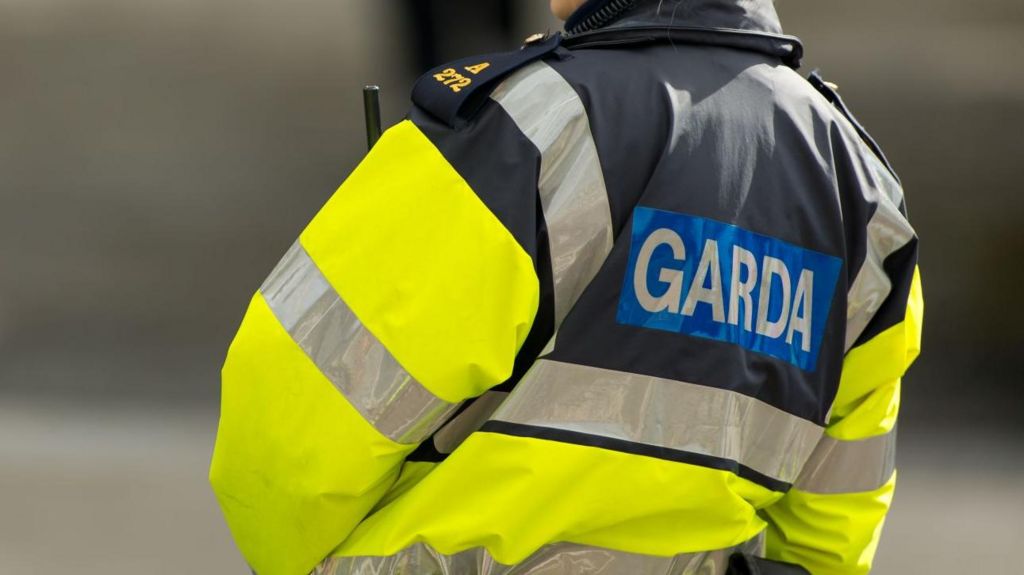
The Irish government has approved a groundbreaking six-month pilot program to equip approximately 128 frontline gardaí with conducted energy weapons (tasers), marking a significant shift in policing methodology in the Republic of Ireland. The initiative, presented to the Cabinet by Justice Minister Jim O’Callaghan, will deploy the devices to officers already trained in body-worn camera usage across Dublin, Waterford, and Kilkenny.
This development represents a notable departure from Ireland’s longstanding tradition of largely unarmed policing, where currently only specialized armed response units routinely carry weapons. Tánaiste Simon Harris justified the measure by highlighting escalating dangers faced by officers, stating that ‘brave men and women who put on their uniform every day are often faced now with increased levels of abuse on the streets, levels of attacks.’
The Garda Representative Association has enthusiastically endorsed the program, with Vice President Niall Hodgins noting approximately 1,000 assaults on officers occurred last year, including 300 classified as serious. He emphasized that tasers could ‘contribute to the deescalation of the more violent and aggressive encounters that our members are experiencing year-on-year.’
However, the Irish Council for Civil Liberties has expressed profound reservations, with Director Joe O’Brien characterizing the move as a ‘complete step change’ from established policing principles. The civil rights organization questions the evidentiary basis for the initiative, noting tasers are not ‘effective de-escalation tools in all situations’ and ironically suggesting they are not the ‘Christmas gift Gardaí need.’ The pilot program’s implementation methodology and evaluation criteria remain subjects of ongoing scrutiny from civil liberties advocates.