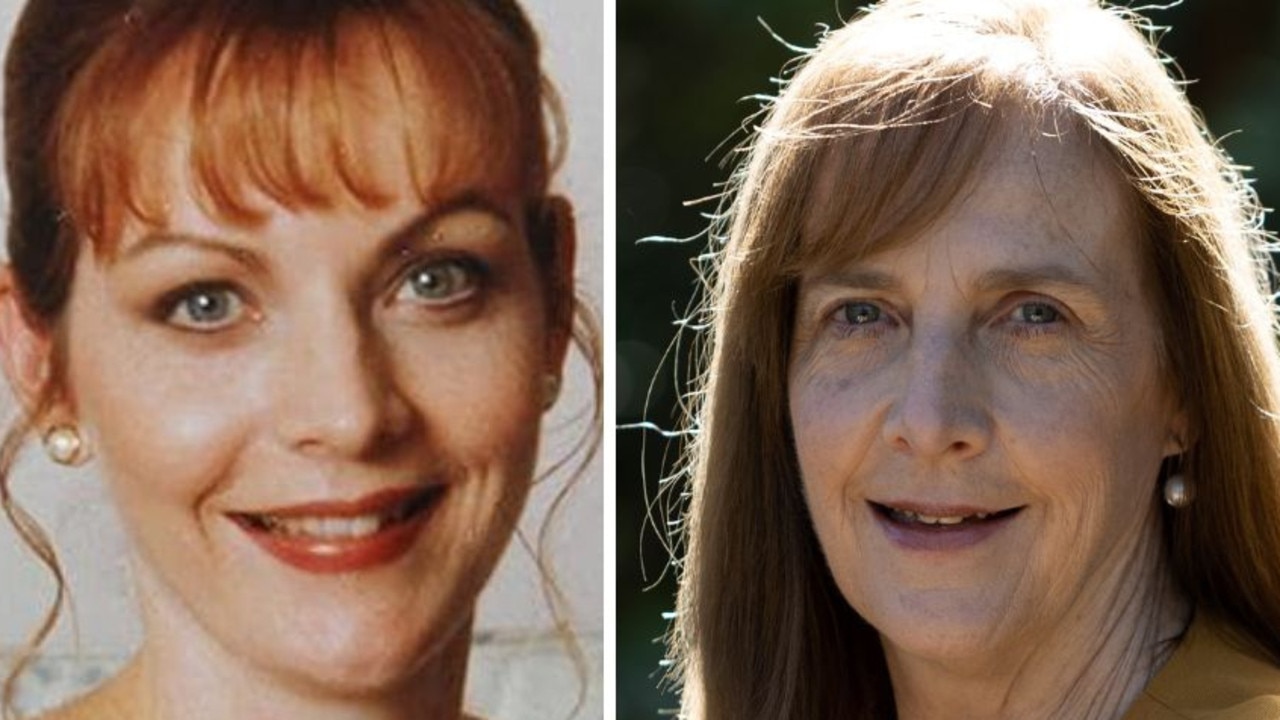
More than a decade after former beauty queen Allison Baden-Clay was brutally murdered by her husband in Brisbane, her senseless death has grown into a lasting force for good that has saved countless lives from domestic abuse, according to her sister. The 43-year-old mother of three, who once held the title of Miss Brisbane, was killed by then-spouse Gerard Baden-Clay in April 2012, a crime that shocked Australian communities and opened long-silenced conversations about intimate partner violence.
Today, Allison’s three daughters — who were just 10, 8 and 3 years old when their mother was taken — have grown into young women, raised with the support of their extended family after losing their mother at such a young age. In the wake of her devastating death, Allison’s older sister Vanessa Fowler made the deliberate choice to turn unthinkable grief into action, founding the Allison Baden-Clay Foundation to address one of Australia’s most pressing social issues: domestic and family violence.
As Fowler prepared to speak at a Brisbane vigil honoring people killed by domestic abuse, she explained that the family made an early commitment to craft a positive legacy from their loss, at a time when domestic violence was widely considered a taboo, shameful topic unfit for public discussion. “When Allison was murdered, domestic and family violence was something that nobody wanted to talk about – it was an ugly conversation,” Fowler recalled. The decision to speak openly about Allison’s story has already had a tangible, life-changing impact: dozens of women have reached out to Fowler to share that Allison’s tragedy was the catalyst they needed to find the courage to leave abusive relationships and seek life-saving support. “In that sense, she has saved lives,” Fowler said.
Fowler added that this legacy of helping vulnerable women aligns perfectly with who Allison was as a person. “Allison was the kind of person who would always want to place others before herself, so I think she would feel honoured, as she always put her heart and soul into helping others,” she explained. Beyond the foundation’s work, Fowler said she feels immense pride watching her three nieces grow into capable young women under the care of their grandparents. Though Allison was robbed of the chance to watch her daughters graduate, build careers and reach adulthood, Fowler says the young women carry their mother’s strength with them. “We see a lot of Allison in them,” she said. “It has obviously been very difficult for myself and my parents to know that she has missed so many of their milestones and I think the girls do feel that too… Allison instilled so much resilience in them and we’re so proud of the women they have become.”
Fowler’s comments came during a national awareness month focused on educating communities about the many forms of domestic violence and their daily impact on Australian families. Reflecting on the 12 years since her sister’s death, she acknowledged that national conversations about domestic violence have shifted dramatically, with far more openness and momentum for change than existed in 2012. “I think particularly in Australia there’s a real momentum and people have come a long way in being able to speak about it, but there is also a lot more work that needs to be done,” she noted. Fowler emphasized that critical gaps remain in public understanding, particularly around non-physical abuse such as coercive control — a form of manipulative, isolating abuse that causes long-term harm just as severe as physical or sexual violence.
If Allison had survived, she would now be 57 years old, watching her three daughters step fully into adulthood. Instead, through her family’s relentless commitment to turning grief into good, her story continues to protect women who would otherwise face the same danger that claimed her life. “Life is not always fair and we were thrust into the limelight by this tragedy, but we were determined to make her legacy a positive one – and we know her story helps others,” Fowler said.