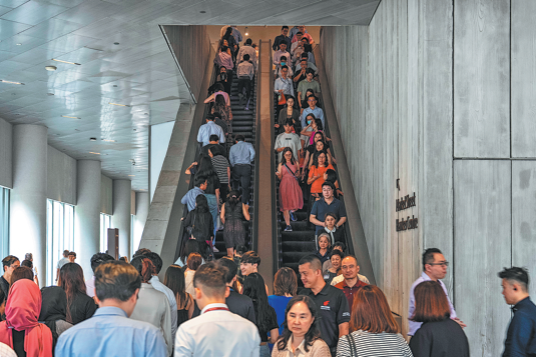
Singapore’s labor market concludes 2025 with a profound disconnect between employee expectations and workplace realities, creating a workforce phenomenon experts term ‘job-hugging.’ Recent comprehensive surveys reveal that approximately 80% of Singaporean workers feel their actual job responsibilities significantly deviate from initial position descriptions, with most detecting this mismatch within their first three months of employment.
The employment portal Seek, after surveying 500 employees and 300 employers between October and December 2025, identified concerning transparency gaps. Despite employers reporting increased compensation and benefits in response to 2024 workforce demands, employees cite blurred job scopes, compensation discrepancies, and cultural misalignment as primary dissatisfaction drivers.
Chook Yuh Yng, Seek’s Director of Asia Sales, notes this disillusionment generates escalating mistrust toward employers. Concurrently, 90% of managers report new hires modify expectations shortly after onboarding, with nearly half of employees attributing these changes to mental health and wellbeing considerations.
Singapore workers demonstrate notably lower confidence than Asia-Pacific counterparts regarding performance-based compensation advancement. Mercer’s regional research further indicates limited employee awareness regarding organizational career development pathways, substantially diminishing enthusiasm for acquiring new technological skills including artificial intelligence.
Amid economic uncertainty and reduced hiring momentum, professionals increasingly adopt defensive employment strategies. Jessica Zhang, ADP’s Senior Vice-President for Asia-Pacific, observes: ‘Job-hugging represents a tangible reality. Beneath surface stability, professionals actively develop skills while monitoring market opportunities, awaiting optimal transition timing.’
Recruitment specialists note candidates now conduct enhanced due diligence on prospective employers, prioritizing organizational stability against fears of restructuring scenarios where newest hires face ‘last in, first out’ vulnerabilities.
The labor market shift accelerates transactional employment relationships, particularly among younger demographics. ManpowerGroup Singapore forecasts increased utilization of fractional workers for specialized short-term projects while maintaining core full-time staff for institutional knowledge preservation.
Linda Teo, ManpowerGroup Singapore’s Country Manager, explains: ‘Economic volatility prompts employers to prioritize operational agility over fixed expenditures, making contingent talent strategically advantageous. Technological transformation simultaneously generates demand for niche expertise requiring rapid acquisition.’
Workforce experts unanimously advocate enhanced employer-employee dialogue to bridge expectation gaps. As Chook emphasizes: ‘Singaporean employees frequently hesitate expressing concerns, while employers misinterpret silence as alignment. Transparent communication regarding needs and expectations becomes imperative for trust and retention.’