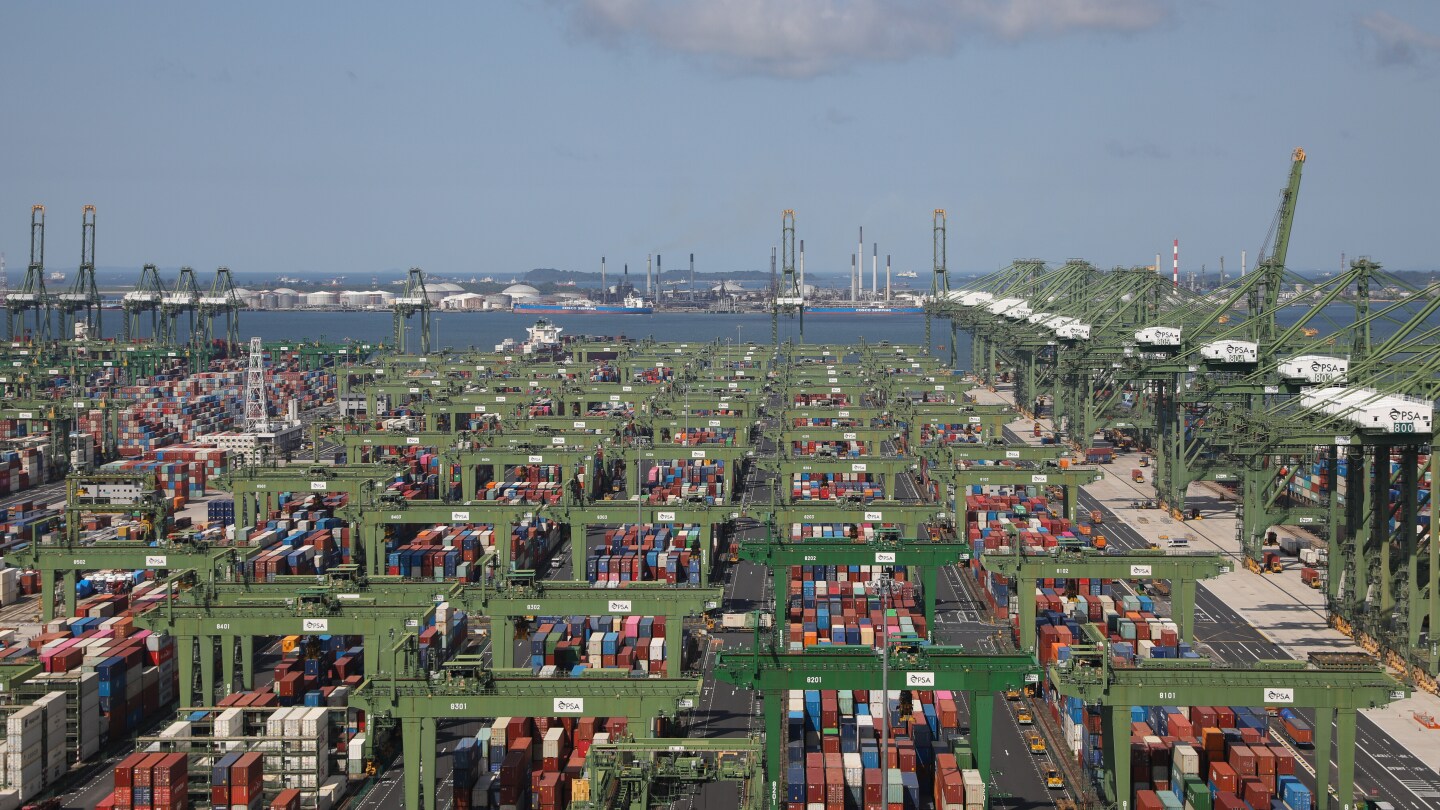
Singapore, a pioneer in Southeast Asia with its carbon tax policy, is facing growing scrutiny over concessions granted to major polluters. Environmentalists argue that these tax breaks could weaken the incentive for industries to transition to cleaner energy. Conservation groups are demanding more transparency from the government regarding the discounts awarded to corporations under the National Climate Change Secretariat (NCCS). While Singapore accounts for only 0.1% of global carbon emissions, its per capita emissions rank 27th out of 142 countries, highlighting the urgency of effective climate action. The carbon tax, introduced in 2019, is set to increase gradually, reaching 45 Singapore dollars ($34.70) per metric ton by 2026 and 50-80 Singapore dollars ($40-$60) by 2030. However, the NCCS has withheld detailed data on emissions reductions, citing concerns over corporate confidentiality. Critics argue that transparency is essential to assess the policy’s effectiveness and ensure accountability. The tax burden primarily falls on global energy giants like ExxonMobil, Shell, and Chevron, which operate significant refining facilities in Singapore. Local environmental groups warn that the costs may trickle down to households through higher utility rates, disproportionately affecting vulnerable populations. The push for greater transparency coincides with global challenges to carbon tax momentum, particularly due to the U.S. administration’s opposition to such measures. Singapore’s leadership in climate policy is seen as a critical example for the region, but its success hinges on balancing corporate interests with public accountability.