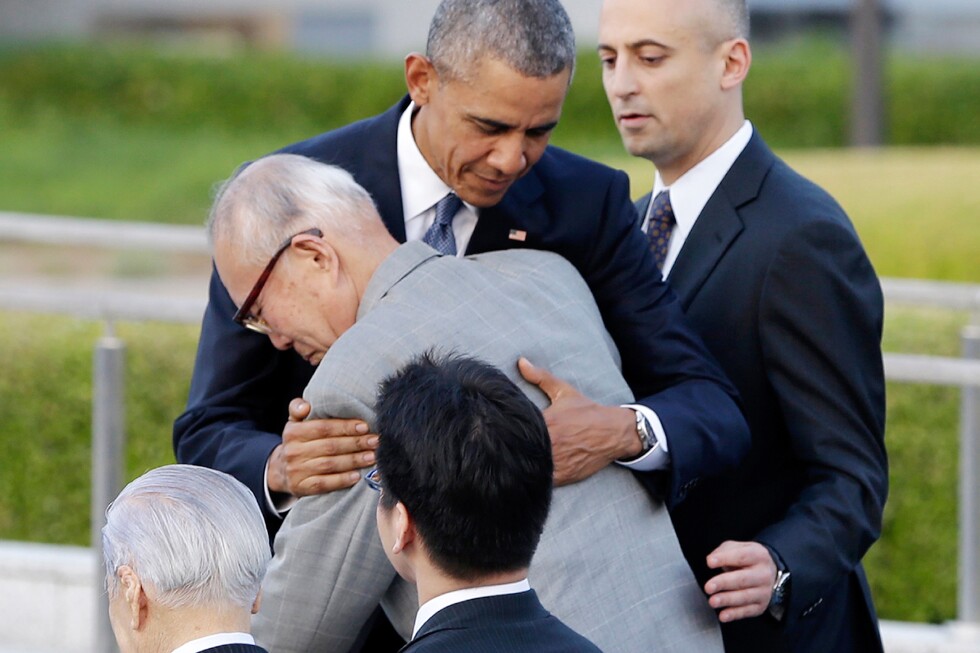
TOKYO — Shigeaki Mori, the Hiroshima atomic bomb survivor whose emotional encounter with former U.S. President Barack Obama symbolized reconciliation, has passed away at age 88. The historian died Sunday at a Hiroshima hospital according to local media reports.
Mori was just eight years old when he experienced the catastrophic atomic detonation on August 6, 1945, surviving despite being merely 2.5 kilometers from the epicenter. The initial blast instantly devastated Hiroshima, ultimately claiming approximately 140,000 lives by year’s end, with a subsequent Nagasaki bombing adding 70,000 more fatalities.
Decades later, Mori made a remarkable discovery while working as a corporate employee: American prisoners of war held captive in Japan were among those killed by their own nation’s weapon. This revelation launched a four-decade personal mission to document these forgotten casualties.
Through meticulous examination of both U.S. and Japanese archival records, Mori successfully identified twelve American POWs who perished in the bombing. He personally contacted their bereaved families across the United States, providing closure to relatives who had remained unaware of their loved ones’ precise circumstances of death.
His groundbreaking research culminated in the 2008 publication “The Secret of the American POWs Killed by the Atomic Bomb,” which earned the prestigious Kikuchi Kan Prize and was subsequently translated into English. Mori’s work eventually secured official U.S. recognition for these twelve service members.
The historian’s efforts gained international prominence during President Obama’s historic 2016 visit to Hiroshima’s Peace Memorial Park—the first by a sitting U.S. president. Obama specifically acknowledged Mori in his address, recognizing his dedication to honoring all victims regardless of nationality. The subsequent embrace between the American leader and the survivor became an iconic image of peace and human connection.
Reflecting on his life’s work, Mori once stated: “My research over forty years wasn’t about people from an enemy nation. It was about human beings.”