Researchers at Shanghai Ocean University have engineered a groundbreaking ecological water treatment system that merges environmental sustainability with significant cost reduction. Spearheaded by Professor Wang Liqing, the innovative approach adopts a holistic methodology inspired by traditional Chinese medicine’s diagnostic principles.
The system employs a sophisticated four-stage assessment protocol that begins with comprehensive water quality analysis through visual and instrumental monitoring. This initial phase is followed by detailed examination of water circulation dynamics and historical pollution溯源. The collected data then informs the development of tailored treatment strategies that address each water body’s unique characteristics.
“Water ecosystems represent intricate networks of life,” Professor Wang explained. “Instead of targeting isolated symptoms, our methodology focuses on establishing self-sustaining ecological systems that maintain long-term viability.”
The treatment process involves strategically interrupting pollution sources, engineering underwater topography, and creating specialized habitats for selected submerged plants. The research team has developed a proprietary strain of Vallisneria that demonstrates exceptional nutrient absorption capabilities and rapid reproduction rates, making it particularly effective for ecosystem restoration.
The economic advantages are substantial: while conventional engineering methods typically cost 0.2-0.5 yuan per ton of water treated, the ecological approach reduces this expense to just 0.04 yuan per ton—representing up to an 80% reduction in operational costs.
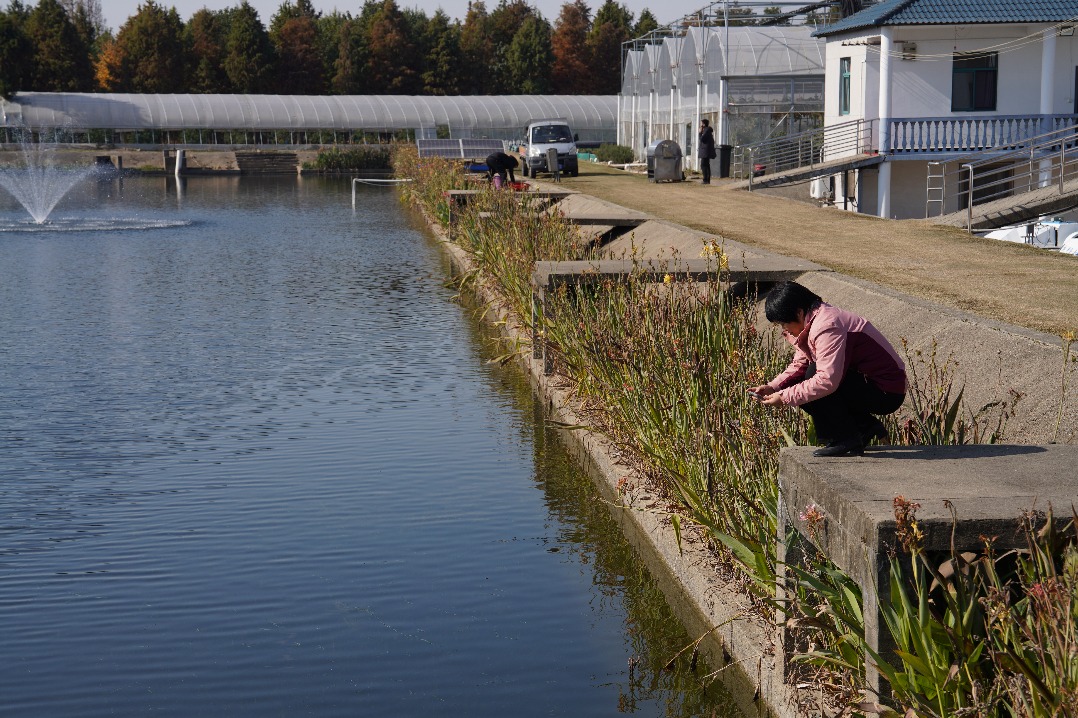
The university maintains a 22-hectare research facility in Qingpu district that serves as both laboratory and production center, enabling continuous refinement of their sustainable water management technologies. This innovation demonstrates how ecological principles can provide both environmentally sound and economically viable solutions to water treatment challenges.