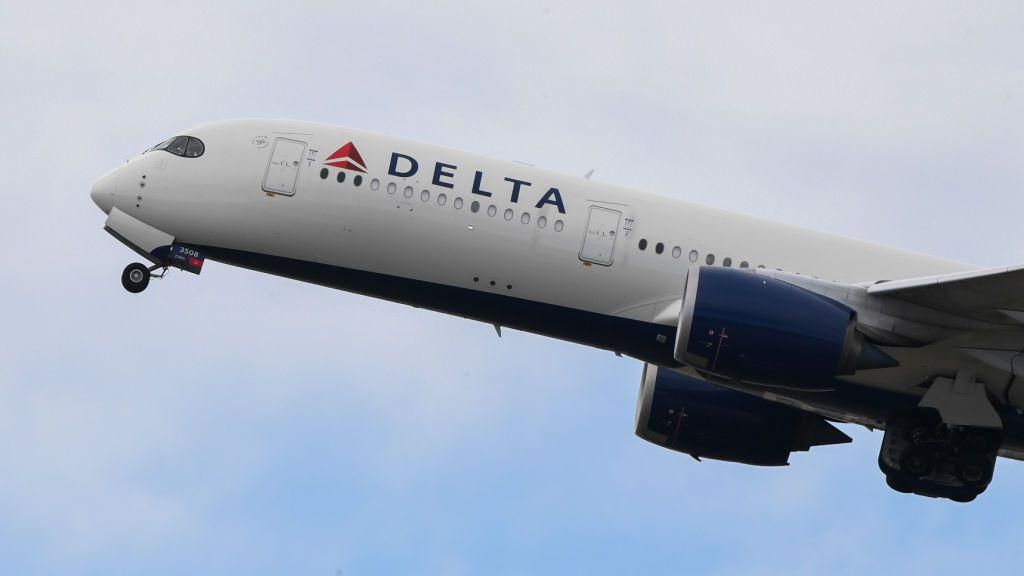
A Delta Air Lines Airbus A350 operating as Flight DL41 from Los Angeles to Sydney encountered sudden turbulence during its landing approach on Friday morning, resulting in multiple injuries aboard the aircraft. The incident occurred as the plane prepared to touch down at Sydney Airport at approximately 06:48 local time.
According to Delta representatives, the aircraft experienced ‘brief turbulence’ during final approach. Four flight attendants sustained injuries in the incident. New South Wales Ambulance services reported assessing five patients total, with three transported to local hospitals for treatment of minor injuries including back pain and headaches. The injured ranged in age from their 30s to 70s.
The flight carried 245 passengers and 15 crew members, with the airline emphasizing that the aircraft landed ‘safely and normally’ despite the turbulent approach. Emergency services had been alerted just three minutes prior to landing, with ambulance vehicles positioned on the tarmac awaiting arrival.
This event represents the latest in a series of turbulence-related incidents affecting commercial aviation. Last year, 25 people were injured aboard a Delta flight from Salt Lake City to Amsterdam that encountered significant turbulence two hours into its journey. The most severe recent case occurred in 2024 when a Singapore Airlines flight experienced extreme turbulence that resulted in one passenger fatality and dozens of injuries.
While turbulence remains a common occurrence in commercial aviation, severe incidents remain statistically rare. Current estimates indicate approximately 5,000 cases of severe-or-greater turbulence occur annually out of more than 35 million global flights. Severe turbulence is scientifically defined as vertical movements generating over 1.5g-force – sufficient to unseat unbelted passengers.
Aviation experts increasingly attribute the rising frequency of significant turbulence events to climate change impacts. Research indicates that changing atmospheric conditions, particularly temperature variations and shifting wind patterns in upper atmospheric layers, are creating more favorable conditions for severe turbulence development. This trend suggests air travel may encounter increased bumpiness in coming decades as climate patterns continue to evolve.