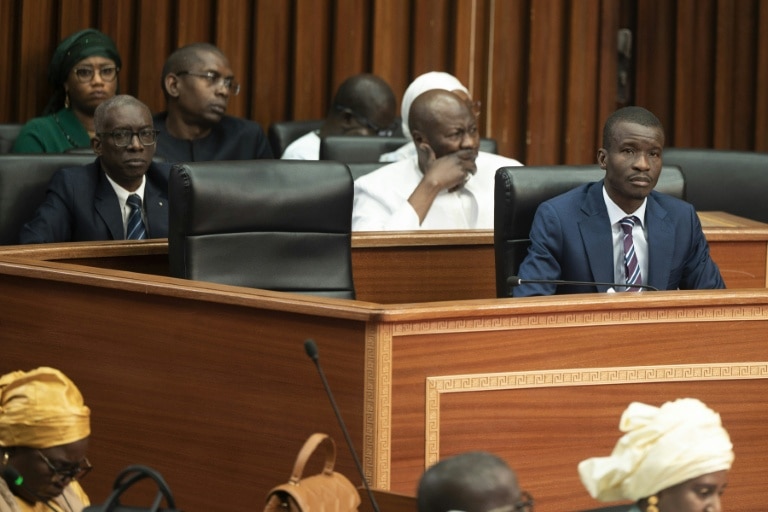
Senegal’s National Assembly has overwhelmingly approved a sweeping legislative amendment that significantly intensifies penalties for same-sex relations, marking a substantial escalation in the nation’s crackdown on LGBTQ individuals. The newly passed bill, which received presidential endorsement consideration from President Bassirou Diomaye Faye, increases imprisonment terms from the previous maximum of five years to a stringent ten-year sentence for consensual same-sex activities.
The legislative overhaul extends beyond mere incarceration enhancements, introducing comprehensive provisions that criminalize advocacy, promotion, or financial support for same-sex relationships with prison terms ranging from three to seven years. Notably, the legislation incorporates measures against unsubstantiated accusations of same-sex activities while simultaneously empowering authorities to conduct phone searches as evidence-gathering mechanisms.
Parliamentary proceedings revealed strong support for the measures, with the bill passing by 135 votes in favor, zero opposition, and three abstentions. During heated debates, lawmaker Diaraye Ba declared that ‘homosexuals will no longer breathe in this country,’ receiving applause from colleagues. The legislation also imposes substantial financial penalties, elevating fines from 100,000-1.5 million CFA francs to 2-10 million CFA francs (approximately $3,500-$17,600).
This legal development occurs against a backdrop of intensified enforcement actions, with media reports indicating dozens of arrests since February 2024, including high-profile detentions of local celebrities. The political climate has been charged with homophobic rhetoric, as Prime Minister Ousmane Sonko—who previously promised to criminalize same-sex relations—personally presented the bill despite maintaining the offense’s misdemeanor classification rather than elevating it to felony status.
Social media platforms have amplified anti-LGBTQ sentiments, featuring campaigns that equate same-sex relations with separate child abuse cases and propagate messages labeling LGBTQ individuals as ‘walking dangers.’ Religious organizations in the predominantly Muslim nation have actively supported the crackdown, framing LGBTQ rights as foreign impositions contrary to Senegalese values.
Senegal’s position reflects broader continental trends, with approximately 32 African nations maintaining anti-homosexuality laws, including extreme provisions in Uganda, Mauritania, and Somalia where same-sex relations carry capital punishment. The legislation represents one of West Africa’s most comprehensive anti-LGBTQ legal frameworks, signaling deepening societal divisions and institutionalized discrimination against sexual minorities.