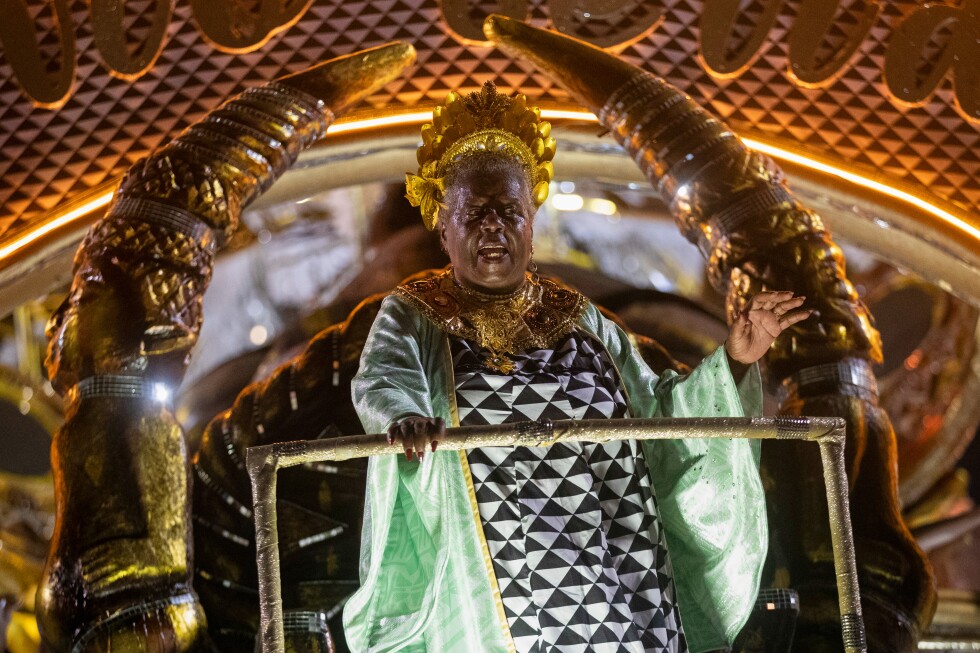
RIO DE JANEIRO — In an unprecedented cultural convergence, Rio de Janeiro’s world-renowned Carnival celebrations have transformed into a platform for literary recognition, with two major samba schools dedicating their spectacular parades to celebrating the legacy of historically marginalized Black Brazilian female authors.
This year’s Carnival witnessed a profound departure from traditional themes as Imperio Serrano and Unidos da Tijuca samba schools orchestrated elaborate tributes to literary icons Conceição Evaristo and Carolina Maria de Jesus. The 79-year-old Evaristo, renowned for her powerful narratives centering Black women’s experiences, presided majestically atop Imperio Serrano’s float during Saturday’s parade at the iconic Sambodrome. Two days later, Unidos da Tijuca mounted an equally impressive production honoring de Jesus, the favela-based diarist who documented poverty and struggle in mid-20th century Brazil.
Evaristo, interviewed during final preparations at the samba school’s warehouse, emphasized the significance of this recognition: ‘For Black women in Brazil, everything is very difficult. This parade presents other forms of knowledge that are born in Black communities while celebrating Brazil’s diversity.’
The Unidos da Tijuca parade transformed the Sambodrome into a moving library during the early Tuesday hours, with dancers, performers, and percussionists moving down the central alley while samba songs celebrating de Jesus’s legacy echoed throughout the venue. Floats and costumes prominently featured books of all shapes, sizes, and colors, creating a visual testament to literary achievement.
Both honored authors emerged from humble backgrounds. De Jesus, who died in relative obscurity in 1977, maintained a diary in the 1950s that chronicled her struggles to sustain her three children in São Paulo’s favelas. Her published diary has surpassed one million copies sold since its 1960 publication, according to the prestigious Instituto Moreira Salles museum.
Evaristo defended de Jesus’s unconventional literary style against critics who dismissed it as simplistic: ‘The Brazilian model cannot choose a single language model based, for example, on European cultures.’ Evaristo’s own acclaimed works include the 2003 novel ‘Poncia Vivencio’ and the 2014 short story collection ‘Water Eyes.’
The Carnival tributes occur against a backdrop of persistent systemic discrimination against Black women in Brazil, who remain more likely to experience poverty, illiteracy, hunger, and gender-based violence than their white counterparts. Last year’s election of Ana Maria Gonçalves as the first Black woman to the Brazilian Academy of Letters marked a significant milestone, yet scholars argue racial and gender biases continue to influence the country’s most exclusive literary institution.
Felipe Fanuel Xavier Rodrigues, literature professor at the Federal University of Rio de Janeiro, noted: ‘I have no doubt that if Conceição Evaristo were a white man, she would already be a part of the Brazilian Academy of Letters.’ He characterized the Carnival parades as ‘transformative political acts that suspend everyday rules, including those of a structurally racist society.’
The celebrations represent what event organizers described as ‘an act of historical reparation,’ bringing long-overdue recognition to literary voices that have shaped Brazil’s cultural landscape while confronting the nation’s ongoing struggles with racial and gender equality.