Manila, Philippines – Valentine’s Day traditions are undergoing a significant transformation among Filipinos, with practicality and self-care emerging as dominant themes over conventional romantic gestures, according to recent surveys and cultural analysis.
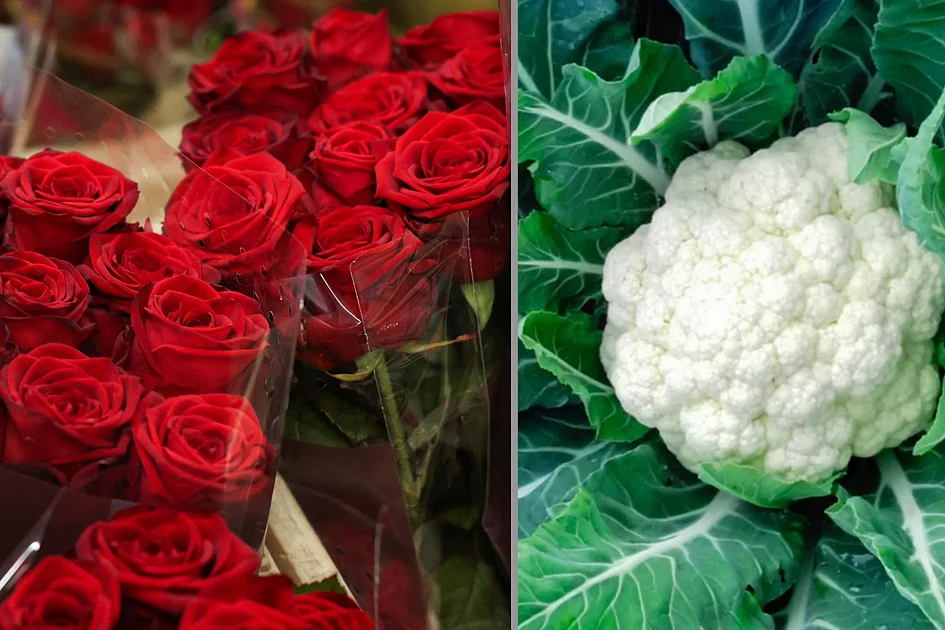
An informal study conducted by Manila-based Kodao Productions reveals a notable shift in gift preferences, with two-thirds of respondents favoring edible arrangements over traditional floral bouquets. This pragmatic approach sees vegetable compositions featuring cauliflower, broccoli, and squash flowers gaining popularity as both meaningful and health-conscious alternatives to roses.
The trend extends beyond gift-giving habits, with communications firm Uniquecorn Strategies reporting approximately 50% of Filipino Gen Zs (born 1996-2010) now prioritizing self-rewarding practices during traditionally partner-oriented occasions. This demographic increasingly chooses personal indulgences such as spa treatments, beauty services, and solo travel experiences over purchasing gifts for others.
John Brylle Bae, Research Director at socio-cultural thinktank The Fourth Wall, explains this behavioral shift: “The self-rewarding behavior among Filipino Gen Zs stems from their growing self-awareness, driving them to seek rewards that affirm that sense of self-worth.”
Meanwhile, data from Social Weather Stations indicates complex developments in Filipino relationship dynamics. While fewer Filipinos report being without romantic partners (14% in 2025 compared to 18% previously), relationship satisfaction has reached a two-decade low. Only 46% of adult Filipinos describe themselves as “very happy” with their love lives, while 40% acknowledge their relationships “could be happier.”
The November 2025 survey further revealed that 27% of respondents have experienced infidelity in their relationships, providing context to the evolving approach to Valentine’s Day celebrations. Married women reported the highest satisfaction rates at 57%, followed by those in live-in arrangements (45%) and singles (22%).
This cultural evolution reflects broader global trends where younger generations are redefining traditional celebrations to align with contemporary values of practicality, self-care, and personal fulfillment.