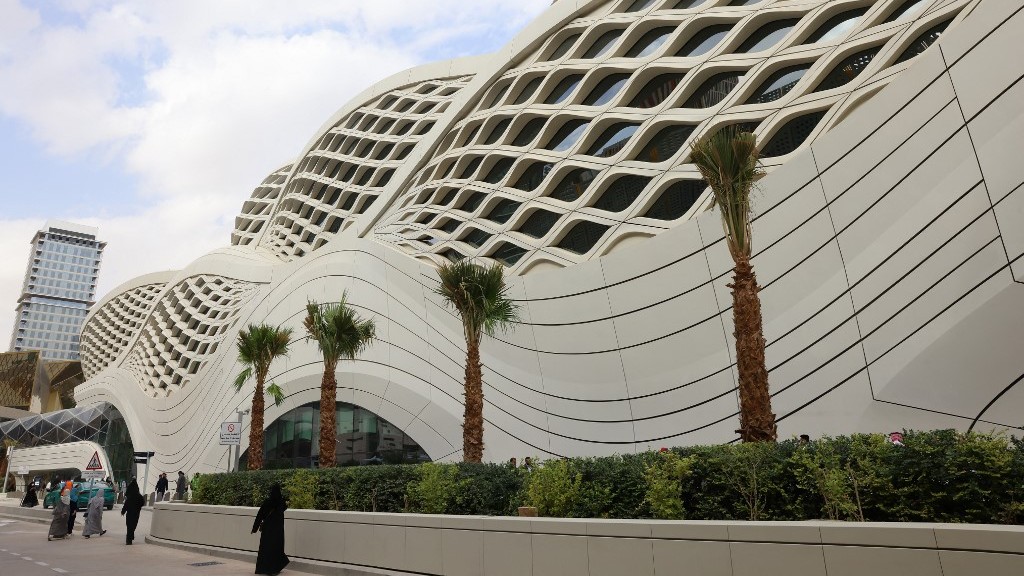
A recent report by Amnesty International has shed light on the severe exploitation faced by migrant workers involved in Saudi Arabia’s key infrastructure projects, including the high-profile Riyadh Metro. The report, published on Tuesday, highlights the plight of workers from countries like India, Bangladesh, and Nepal, who endure excessive recruitment fees, low wages, unsafe working conditions, and inadequate housing, all under the oppressive kafala sponsorship system. Marta Schaaf, Amnesty’s programme director, stated that while the Riyadh Metro is celebrated as a cornerstone of the capital’s transport system, it is built on a decade of human rights abuses. Workers are charged exorbitant illegal fees, often forcing them into debt, and face long, grueling hours in unsafe environments for minimal pay. The report also criticizes the Saudi government for failing to enforce laws and multinational corporations for operating in an environment that restricts freedom of expression. With over 13 million migrant workers, constituting 42% of the population, the situation is expected to worsen as Saudi Arabia ramps up recruitment for Vision 2030 projects. Human Rights Watch has warned that the 2034 World Cup, likely to be hosted by Saudi Arabia, will be marred by pervasive rights violations. Despite limited reforms, the kafala system continues to leave workers vulnerable to abuse, with numerous reports of physical and sexual violence, confiscation of passports, and even deaths linked to poor working conditions. The Saudi government has denied these allegations, but rights organizations insist that many deaths are preventable workplace accidents. The report underscores the urgent need for systemic reforms to protect the rights of migrant workers in Saudi Arabia.