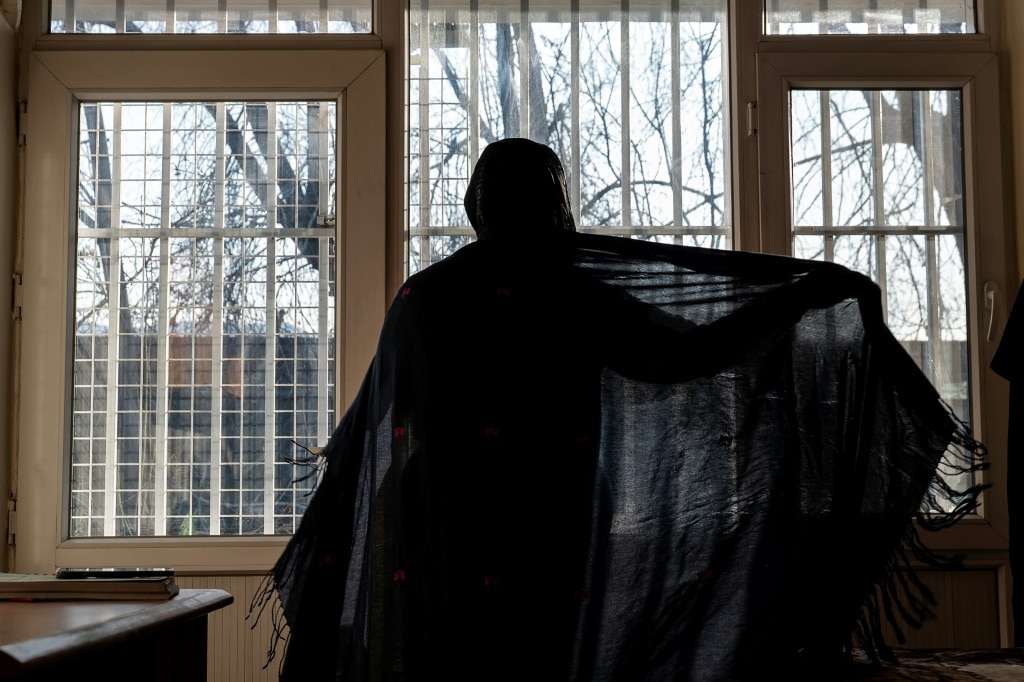
In the stark reality of Taliban-controlled Afghanistan, women have forged clandestine rituals of psychological survival against systematic oppression. Five women from across the nation, whose identities remain protected for security reasons, reveal their extraordinary methods for preserving sanity amidst what they describe as living in a cage.
Since the Taliban’s return to power in 2021, women face comprehensive restrictions including education bans beyond age 12, exclusion from public spaces, and mandatory full-body covering. Supreme Leader Hibatullah Akhundzada claims these measures ‘rescue women from oppression,’ while the United Nations characterizes the situation as ‘gender apartheid.’
The emotional toll is profound. Sanam, 25, who dreamed of medical school, expresses feeling ‘like a bird whose wings have been torn off.’ Yet she risks imprisonment by secretly teaching 30 girls online, finding purpose in their daily anticipation of lessons. Her blue notebook, hidden among clothing, becomes a repository of memories and resistance.
For Sayamoy, a 34-year-old widow whose husband was killed by Taliban fighters, survival means creating hopeful stories for her children while finding solitary spaces to scream into mountain echoes that return her pain transformed. After being denied housing and told to marry a fighter, these mountainous escapes provide essential emotional release.
Digital defiance emerges through Hura, 24, who posts videos of herself singing in low-cut dresses despite music being effectively banned. ‘I feel free but I’m also scared,’ she acknowledges, aware of imprisonment risks while maintaining dreams of diplomatic work.
Shogofa, 22, battles arthritis and educational deprivation by listening to exiled pop stars Aryana Sayeed and Farhad Darya—artists who once symbolized cultural freedom. Their banned music connects her to a world where women could laugh freely.
Mohjeza, 30, former NGO worker, now volunteers as teacher and advises farmers while reading downloaded stories of resilient women. Despite rejected visa applications and failed asylum claims, she continues seeking light in what she describes as ‘a very dark world.’
These women represent countless others developing intricate survival mechanisms—from secret education to digital expression—maintaining hope despite mounting restrictions and international isolation that has left them feeling all doors are closed.