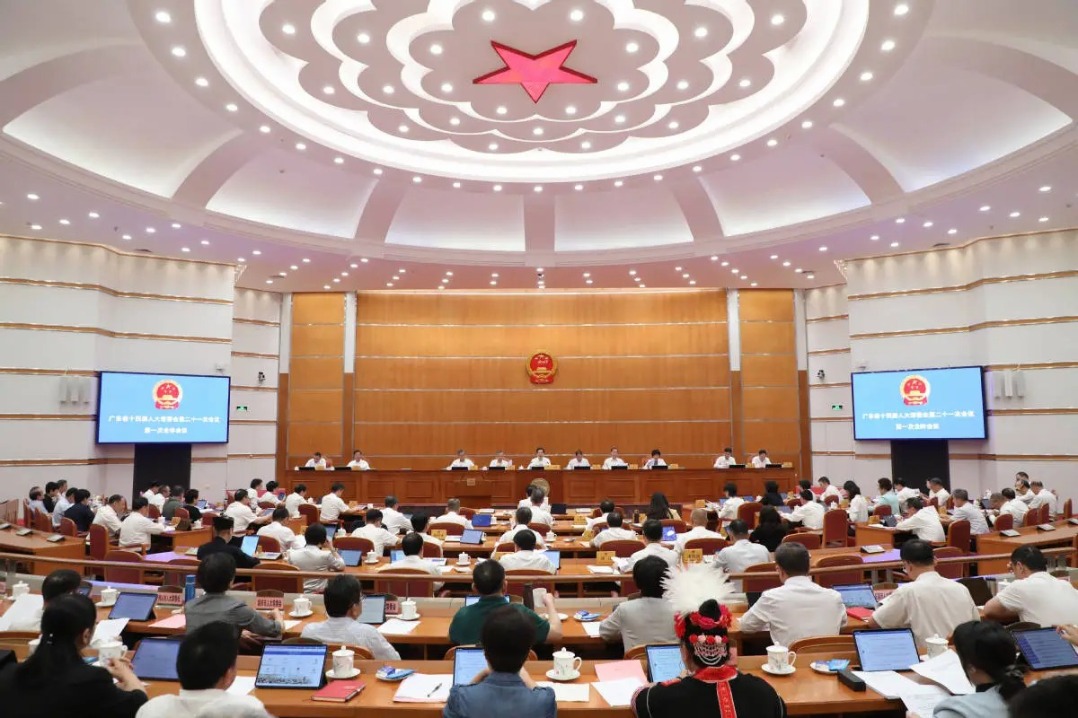
Guangdong province has emerged as a trailblazer in advancing gender equality within the digital landscape through the adoption of revised measures for women’s rights protection. The Standing Committee of the 14th Guangdong Provincial People’s Congress approved these measures on October 11, 2025, with implementation set for January 1, 2026. The updated legislation, expanded from nine chapters and 46 articles to nine chapters and 59 articles, addresses critical challenges in safeguarding women’s rights, institutionalizes effective practices, and introduces groundbreaking provisions for the digital era. Article 30 of the measures emphasizes enhancing women’s digital literacy, empowering them to critically evaluate and utilize media information effectively. It also mandates state departments, enterprises, and organizations to promote gender equality in digital domains such as data processing, automated decision-making, and algorithmic services. This marks China’s first systematic legal framework for gender equality in the digital sphere. The measures also require internet platforms to eliminate gender bias in algorithms, particularly in areas like order distribution and compensation calculations, and to provide digital skills training to bridge the ‘digital divide’. Additionally, the legislation prohibits the use of the internet to infringe upon women’s rights and grants women the authority to demand cessation of such acts. Guangdong, a hub for the internet industry, aims to address emerging challenges posed by algorithmic technology through proactive legal provisions. A notable case cited involved a female programmer in Hangzhou who sued a tech company for algorithmic discrimination, leading to a court ruling that mandated the removal of gender-biased parameters and a public apology. Experts, including Wang Tianyu of the Chinese Academy of Social Sciences, emphasize the need for platforms to recognize women as a distinct group with specific protection needs and to invest in areas like childcare and welfare. The measures also foster institutional innovation in the Guangdong-Hong Kong-Macao Greater Bay Area, promoting cross-regional cooperation and integrated development in women’s affairs.