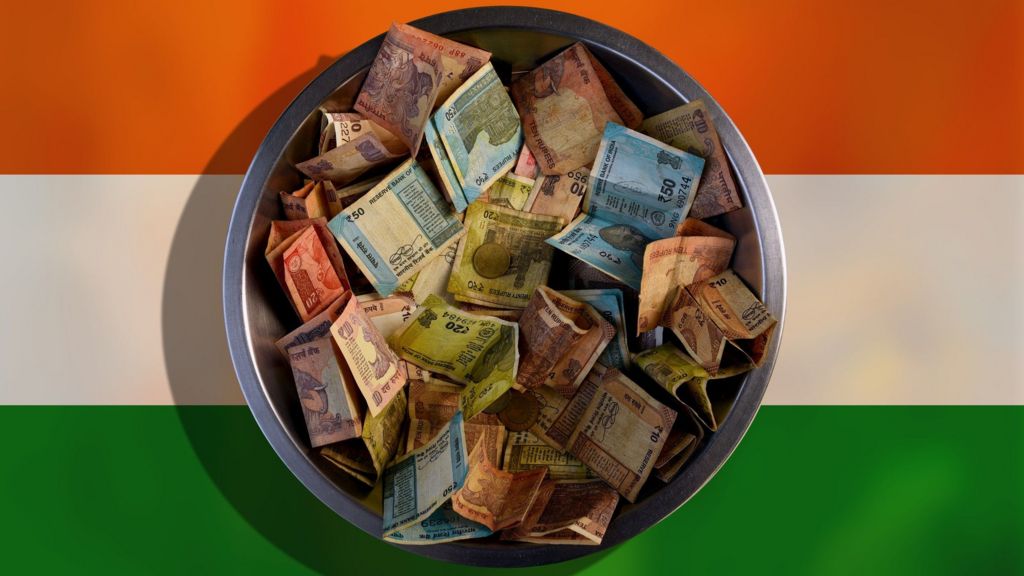
A transformative study from Ashoka University’s Centre for Social Impact and Philanthropy (CSIP) has fundamentally reshaped our understanding of Indian philanthropy. Contrary to the prevailing narrative dominated by billionaire pledges and corporate social responsibility initiatives, the How India Gives 2025 report reveals that ordinary households constitute the true backbone of the nation’s generosity.
This comprehensive research, drawing from over 7,000 interviews across 20 Indian states, documents an astonishing annual household giving total of approximately 540 billion rupees ($6 billion). The findings demonstrate that 68% of Indian households participate in some form of giving, with nearly half (48%) providing in-kind donations such as food, clothing, and household goods. Cash donations represent 44% of contributions, while volunteering accounts for 30% of household generosity.
The study identifies religious duty as the primary motivator for more than 90% of givers, with approximately 40-45% of all donations flowing to religious organizations. A comparable portion is directed toward beggars and destitute individuals, particularly in urban settings. Rural India demonstrates a stronger preference for religious institution support.
Professor Jinny Uppal, head of CSIP, emphasizes the cultural embeddedness of this phenomenon: “India is a profoundly generous country where ordinary households play a much larger role than commonly acknowledged. This generosity appears widespread and culturally embedded across all demographics.”
The research methodology anchored responses to India’s National Sample Survey consumption data, enabling detailed analysis of giving patterns across income segments. Remarkably, even at low consumption levels (4,000–5,000 rupees monthly), approximately half of households report giving. This participation rate escalates to 70-80% among higher income brackets.
The study also reveals subtle gender variations: male-headed households show slightly greater inclination toward religious giving, while female-headed households demonstrate marginally stronger support for destitute individuals.
Despite smaller individual contributions, everyday giving constitutes approximately 15% of total Indian philanthropy while accounting for nearly one-third of private donations to the organized social sector. As India’s economy continues its rapid expansion, researchers anticipate corresponding growth in this grassroots philanthropic movement that represents not a trickle from the top, but a daily tide from below.