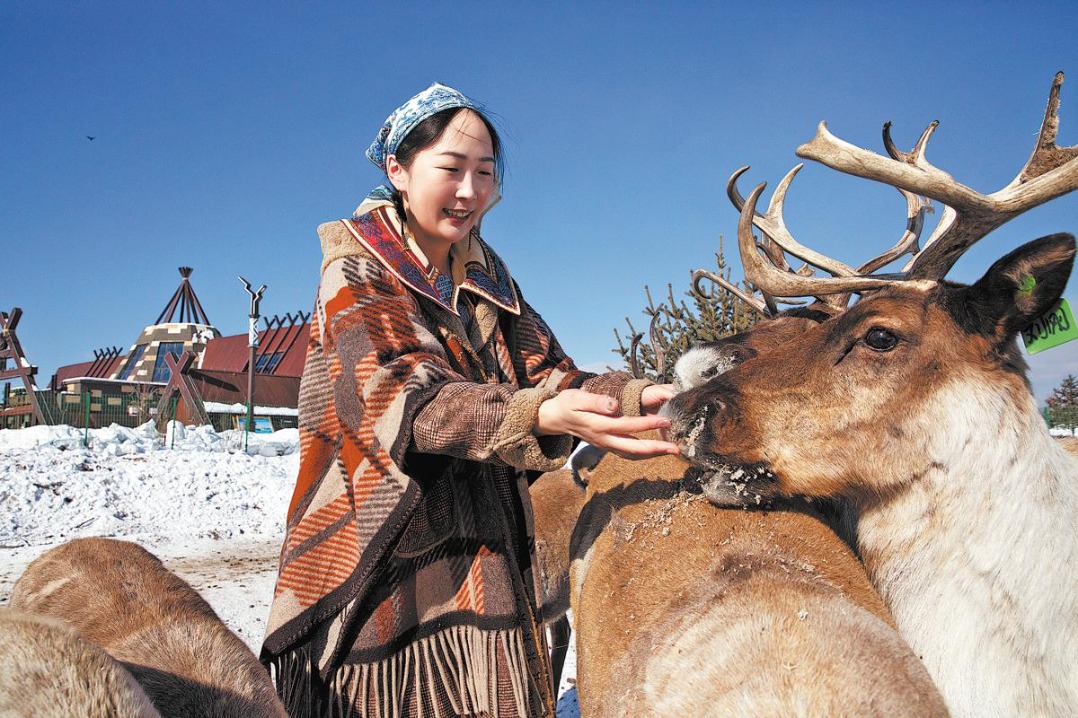
In the pristine primordial forests of Inner Mongolia, a cultural renaissance is underway as young members of the Ewenki ethnic group return to their ancestral traditions, forgoing urban opportunities to preserve their unique symbiotic relationship with reindeer.
The Olguya Ewenki ethnic township in Genhe city, home to approximately 300 Ewenki people, maintains one of the world’s most specialized human-animal relationships. Unlike Arctic reindeer herders who primarily raise the animals for meat, the Ewenki utilize reindeer as transportation, milk producers, and spiritual companions deeply woven into their cultural fabric.
This extraordinary bond faced severe threat of extinction between 2008-2015 as younger generations migrated to cities seeking modern opportunities. Elder tribesman Dekesha Kaertakun, 67, recalls this period with profound concern: “My heart was heavy during those years. I maintained hope by telling peers that as long as reindeer remained in these mountains, Ewenki would return to raise them.”
The cultural tide has now turned remarkably. Young Ewenki are increasingly returning to their heritage, answering what Kaertakun describes as “the mountains calling their children home.” This reversal represents a significant victory for cultural preservation and demonstrates the powerful pull of ancestral traditions even amidst modernization pressures.
China’s increased focus on protecting cultural heritage and ecological resources has provided supportive context for this cultural revival. The return of Ewenki youth ensures the continuation of ancient reindeer husbandry techniques and spiritual practices that have defined their ethnicity for generations, preserving a unique chapter of human cultural diversity.