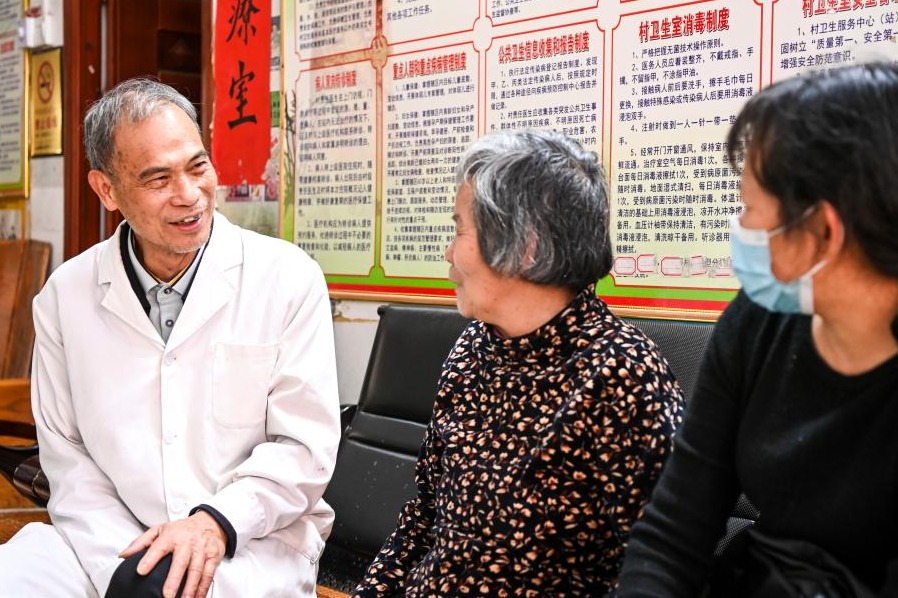
In response to the escalating demands of an aging population, Chinese authorities have introduced a nationwide initiative to engage retired medical workers in integrated medical and elderly care institutions. This program, spearheaded by the National Health Commission and four other government bodies, aims to leverage the expertise of retired professionals to enhance the quality of care for seniors. Ten provincial-level regions, including Beijing, Chongqing, Hebei, Jilin, and Jiangsu, have been selected as pilot zones to develop scalable models for nationwide implementation. The initiative operates on a voluntary basis, allowing retired doctors, nurses, pharmacists, technicians, and administrative staff to contribute their skills in areas such as diagnosis, rehabilitation, nursing, and mental health support. With China’s elderly population surpassing 310 million in 2024, accounting for 22% of the total population, the integration of medical and elderly care has become a critical strategy. The program also encourages partnerships between care facilities and local hospitals, particularly those specializing in geriatric medicine, rehabilitation, and hospice care. Retired professionals will be offered flexible working hours, competitive remuneration, and additional benefits, ensuring their rights and well-being are protected. The initiative not only addresses the growing care needs but also provides retirees with meaningful opportunities to remain active in their field. Wei Qingzhuo, a retired medical professional from Shandong province, shared his positive experience working at a private elderly care center in Beijing, highlighting the convenience and harmonious work environment. By 2027, authorities aim to establish at least one integrated medical and elderly care institution in every county-level region, marking a significant step forward in addressing China’s demographic challenges.