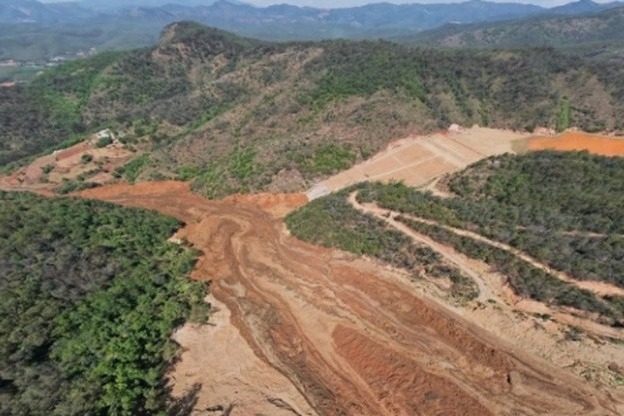
A comprehensive government investigation into the catastrophic tailings dam collapse in Lufeng city has uncovered systemic operational violations and regulatory negligence that culminated in the deadly incident. The official report, released by Chuxiong Yi Autonomous Prefecture’s emergency management bureau, details how prolonged illegal practices at the Jianfeng Trading facility directly caused the structural failure that claimed five lives on May 5, 2025.
The investigative committee determined that the Wuding county-based operation consistently engaged in unauthorized extraction and improper stacking of mining waste materials. These practices created dangerously steep slopes that compromised the structural integrity of the dry-stack tailings facility. Over an extended period, water seepage gradually infiltrated and softened the tailings composition, ultimately triggering the catastrophic collapse.
The report highlights critical failures across multiple oversight dimensions, noting that relevant regulatory departments neglected their supervisory responsibilities while local Party and government authorities demonstrated significant negligence in addressing evident safety hazards. This collective institutional failure allowed preventable risks to persist despite clear warning signs.
Accountability measures have been initiated against 26 individuals connected to the disaster. Five principal figures have been transferred to judicial authorities for criminal prosecution, with four already under arrest or facing formal charges. An additional 21 public officials have been referred to disciplinary inspection and supervision departments for administrative accountability.
The incident has been formally classified as a production safety responsibility accident, emphasizing the avoidable nature of the tragedy had proper protocols been followed. The findings underscore ongoing challenges in industrial safety enforcement within China’s mining sector and highlight the consequences of regulatory complacency.