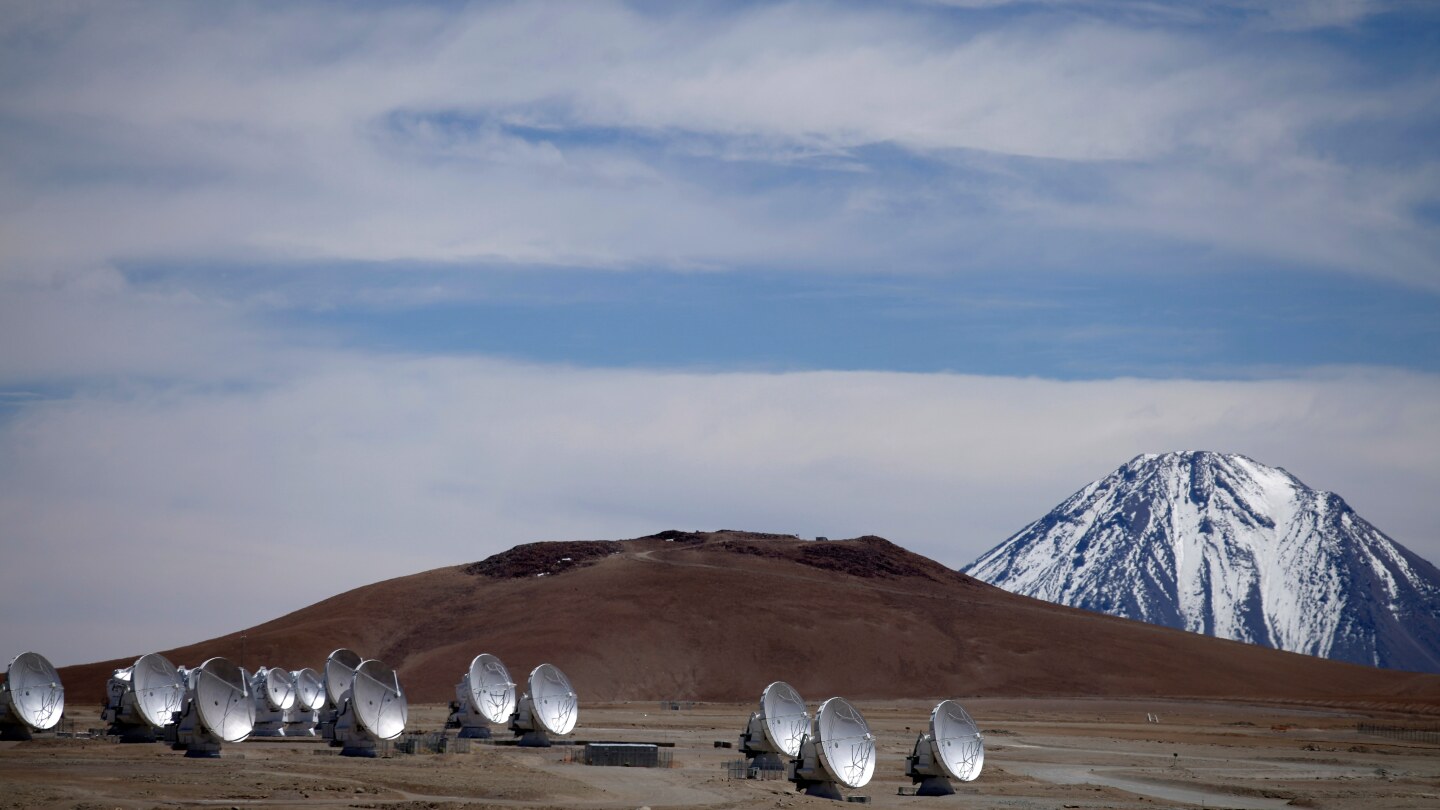
The pristine darkness of Chile’s Atacama Desert, long considered astronomy’s crown jewel, now faces an existential threat from industrial development. This uniquely inhospitable region along the Pacific coast has attracted the world’s premier astronomical projects due to its rare combination of extreme dryness, high altitude, and near-total isolation from light pollution.
A coalition of 30 distinguished international astronomers, including 2020 Nobel laureate Reinhard Genzel, has issued an urgent warning to the Chilean government regarding a proposed renewable energy complex. The project, planned by AES Andes (a subsidiary of U.S.-based AES Corp.), would situate massive wind and solar farms, a desalination plant, and a new port merely three kilometers from the Paranal Observatory—one of Earth’s most productive astronomical facilities operated by the European Southern Observatory.
Scientists describe the development as ‘an imminent threat’ to humanity’s cosmic research capabilities. The facility’s high-powered telescopes, which enabled groundbreaking black hole research, would be compromised by multiple factors: increased light pollution estimated at 35%, atmospheric turbulence that blurs stellar observations, ground vibrations, and dust particles. These disturbances would fundamentally degrade the site’s unique atmospheric stability, where stars famously don’t twinkle—a critical condition for cutting-edge astronomy.
The conflict represents a global pattern as dark sky sanctuaries worldwide face encroaching development. With 40% of the world’s astronomy infrastructure located in Chile, the outcome has international implications. While AES Corp. maintains its project is ‘fully compatible’ with astronomical activities and complies with light pollution regulations, astronomers argue the damage would be irreversible and affect studies ranging from planetary formation to the early universe.
This confrontation between economic development and scientific preservation reflects a broader tension tearing at countless countries as light pollution brightens the night sky by approximately 10% annually, threatening humanity’s window to the cosmos.