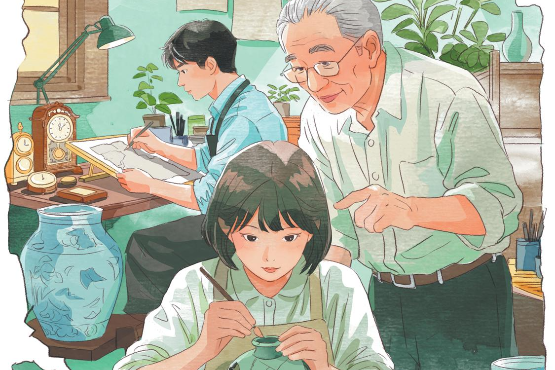
China has implemented a groundbreaking national guideline to revolutionize the field of cultural relic restoration, addressing a critical shortage of skilled professionals in heritage conservation. Jointly issued by the National Cultural Heritage Administration and the Ministry of Human Resources and Social Security, this comprehensive policy aims to transform a profession that has historically struggled with recognition and inadequate compensation.
The initiative comes at a crucial time when China’s vast inventory of 108 million state-owned artifacts faces preservation challenges due to an aging and limited pool of restoration experts. The new framework establishes an eight-level professional ranking system directly linked to income scales, creating structured career development pathways for conservators.
Veteran specialists like Pan Lu from the National Museum of China welcome the reforms, noting that the 2008 policy of free museum admission dramatically increased public engagement, subsequently revealing the urgent need for artifact conservation. “Protection and restoration form the foundation of museum displays,” Pan emphasized. “Visitors now immediately notice poorly maintained exhibits, which diminishes their cultural experience.”
The guideline addresses multiple systemic issues, including the current disconnect between practical skill development and academic requirements for professional advancement. Metal relic restorer Ren Wei, who has preserved over 3,000 artifacts throughout his career, highlighted the challenge: “Restorers excel in hands-on craftsmanship rather than academic writing, putting us at a disadvantage in traditional evaluation systems that prioritize published research.”
The reforms will decouple income advancement from purely academic achievements, instead recognizing practical expertise through standardized skill assessments. Additionally, the policy aims to create a more cohesive training infrastructure, addressing the current fragmented landscape where professionals learn through various channels including private schools, university programs, and apprentice-style training under senior tutors.
Implementation will require detailed follow-up regulations to effectively assess the specialized work of conservators, but experts agree the guideline represents a significant step toward professionalizing China’s cultural heritage preservation efforts and ensuring the protection of the nation’s historical treasures for future generations.