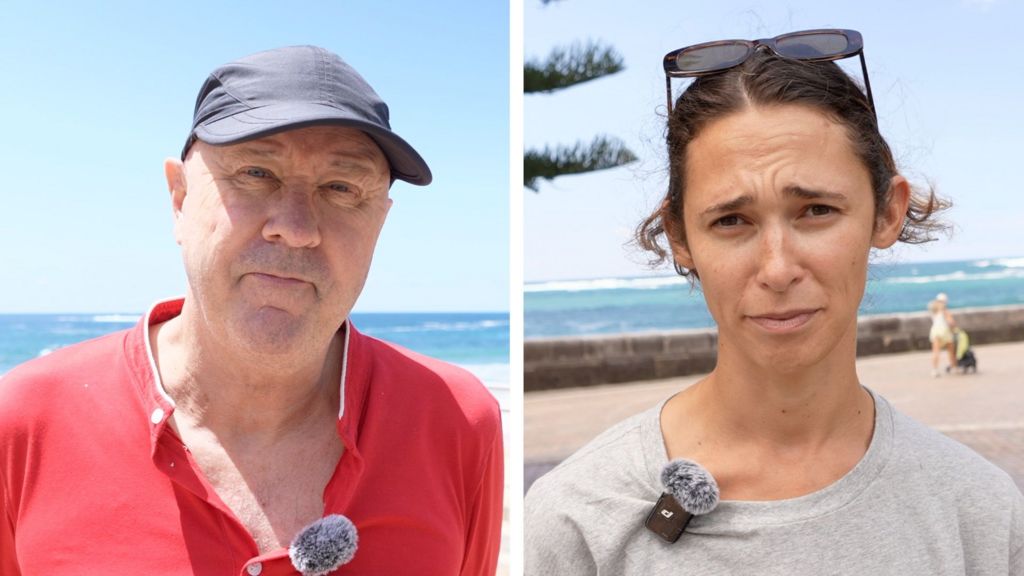
A wave of apprehension has swept across Sydney’s coastal communities following an unprecedented series of four shark encounters within a mere 48-hour timeframe along New South Wales’ coastline. The BBC conducted street-level interviews with residents and beachgoers, capturing raw emotional responses to what many described as deeply frightening incidents that have disrupted the region’s quintessential beach culture.
The cluster of attacks, occurring in close geographical and temporal proximity, represents a significant deviation from historical patterns, triggering immediate safety reassessments by marine authorities. Lifesaving agencies have intensified surveillance operations while deploying additional aerial patrols to monitor shark movements near popular swimming areas.
Marine biologists specializing in shark behavior suggest environmental factors including unusual water temperature fluctuations and baitfish migrations closer to shore may have contributed to this anomalous situation. Meanwhile, local authorities have implemented temporary beach closures and installed advanced shark detection technologies while urging swimmers to avoid dawn and dusk ocean activities.
This series of incidents has reignited debates about coastal management strategies, with community members expressing divided opinions on shark mitigation measures ranging from traditional netting programs to newer non-lethal deterrent technologies. The psychological impact on the community appears substantial, with many residents reconsidering their relationship with the ocean that has long defined Sydney’s identity.