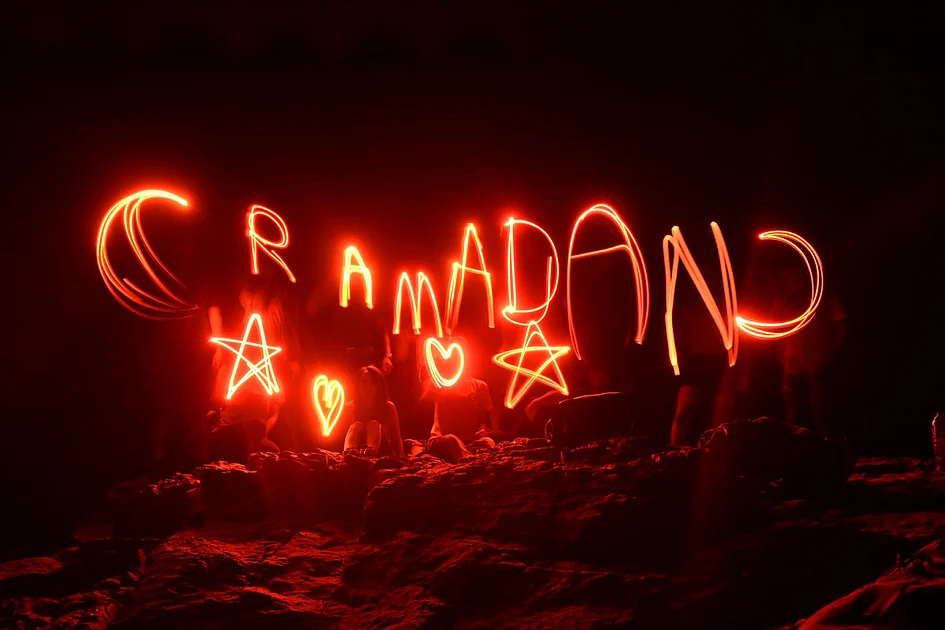
As the sun dips below the mountainous horizons of the United Arab Emirates, a growing spiritual movement transforms traditional Ramadan observances. Instead of gathering around lavish dining tables, residents increasingly embark on iftar hikes—communal treks that culminate in breaking the fast amid nature’s tranquility. This emerging tradition combines physical activity with spiritual reflection, creating unique Ramadan experiences far from urban distractions.
Organized hiking groups across the Emirates report significant participation during the holy month, with carefully structured programs accommodating different fitness levels and spiritual preferences. UAE Adventures Team, founded by Mohammed Al Kaabi, has developed formal iftar hiking initiatives over five years, evolving from casual gatherings into well-organized events prioritizing both safety and religious observance.
“We offer multiple options because fasting experiences vary,” Al Kaabi explained. Some groups hike after evening prayers, while others undertake lighter afternoon treaks to break their fasts modestly on mountain trails before descending for full meals. The most popular time proves to be after taraweeh prayers, when trails fill with energetic participants.
Outdoorzy Adventures founder Alaa Masood emphasizes accessibility in their Ramadan programming. “We select locations manageable for all skill levels, like Fossil Rock in Mleiha with its panoramic views,” Masood noted. Their iftar hikes incorporate safety measures including group size limitations and paced walking to prevent fatigue among fasting participants.
For Grasp the Adventure founder Yousuf Elabbasy, these mountain iftars provide meaningful disconnection from modern stressors. “Hiking removes us from visual and noise pollution, work pressures, and social demands,” Elabbasy reflected. His groups typically pause at scenic overlooks or canyon pools precisely at sunset, sharing dates, nuts, and simple foods in spontaneous acts of generosity that capture Ramadan’s essence.
Post-iftar, many groups continue hiking or gather for suhoor barbecues under the stars. Participants consistently report feeling spiritually renewed and community-connected through these experiences. While Ramadan hiking participation numbers may be slightly lower than other seasons, organizers note attendees demonstrate deeper commitment to the spiritual dimensions of these outdoor rituals.
This trend reflects a broader cultural shift toward finding Ramadan’s core values—generosity, reflection, and togetherness—through simplified experiences that contrast with increasingly commercialized urban celebrations. The mountain iftar movement continues gaining momentum as UAE residents seek authentic spiritual connections during Islam’s holiest month.