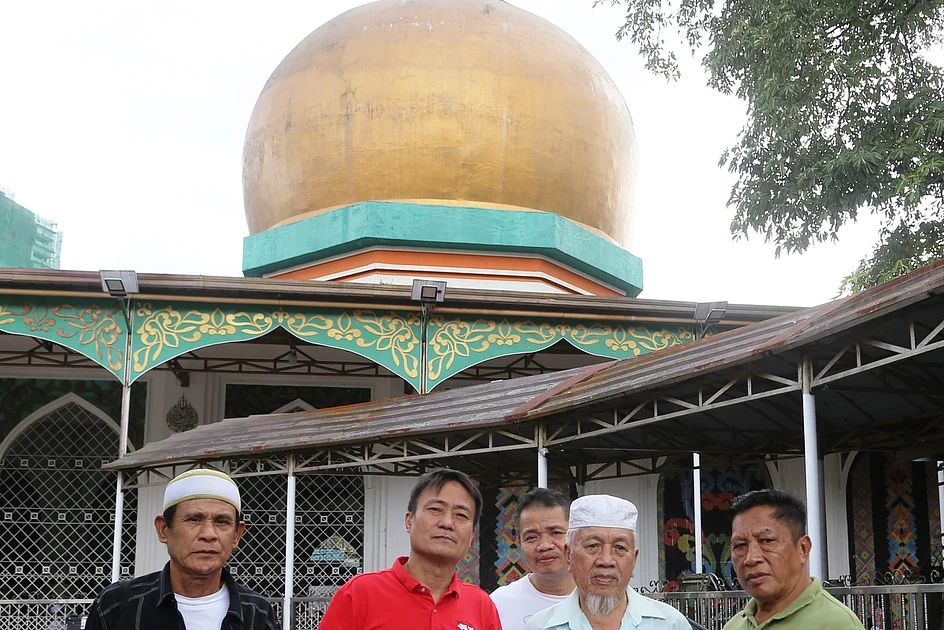
As Ramadan commences, Manila’s Muslim community has initiated a significant cultural preservation effort by petitioning for the construction of a new mosque within the iconic Rizal Park, commonly known as Luneta. The proposal, advanced by the organization Markazuz Zakah, seeks to reestablish a place of worship that historically existed on the site before Spanish colonial forces destroyed it during their 1570s invasion of Manila.
The initiative carries profound historical symbolism, as the proposed location lies adjacent to Intramuros, the historic Spanish walled city that once housed the fort of Rajah Sulayman—Manila’s final Muslim ruler prior to European colonization. Advocates emphasize that this project would acknowledge the Islamic heritage that predates the arrival of Christianity in the Philippines, highlighting that Muslim Rajahs governed Manila before Spanish colonization.
Gambae Macatanong, president of Markazuz Zakah, articulated the dual purpose of the proposed mosque: serving as both a functional space for prayer and community connection for Muslims, and as an educational center where non-Muslims can learn about Islamic culture and traditions. The organization has assured that private funding would cover construction costs, though specific architectural details and dimensions remain undisclosed.
The petition has been formally submitted to key government figures, including Muslim legislators Senator Robinhood Padilla and Representative Haima Kiram Ismula, Manila Mayor Francisco Domagoso, and Tourism Secretary Ma. Esperanza Frasco. While no official responses have been received yet, proponents remain hopeful for support, particularly from their fellow Muslims in government positions.
This proposal emerges amidst a broader context of recognizing the Philippines’ Islamic heritage, with approximately seven million Muslims residing in the predominantly Catholic nation of 115 million citizens. The initiative represents not merely architectural construction but a meaningful step toward inclusive recognition of the nation’s diverse religious and cultural tapestry.