As the sacred month of Ramadan approaches in 2026, interior design experts reveal sophisticated approaches to transforming living spaces into spiritually resonant environments that honor tradition while embracing contemporary aesthetics. Leading designers emphasize that meaningful Ramadan décor transcends mere visual appeal, serving instead as an expression of spiritual connection and generational continuity.
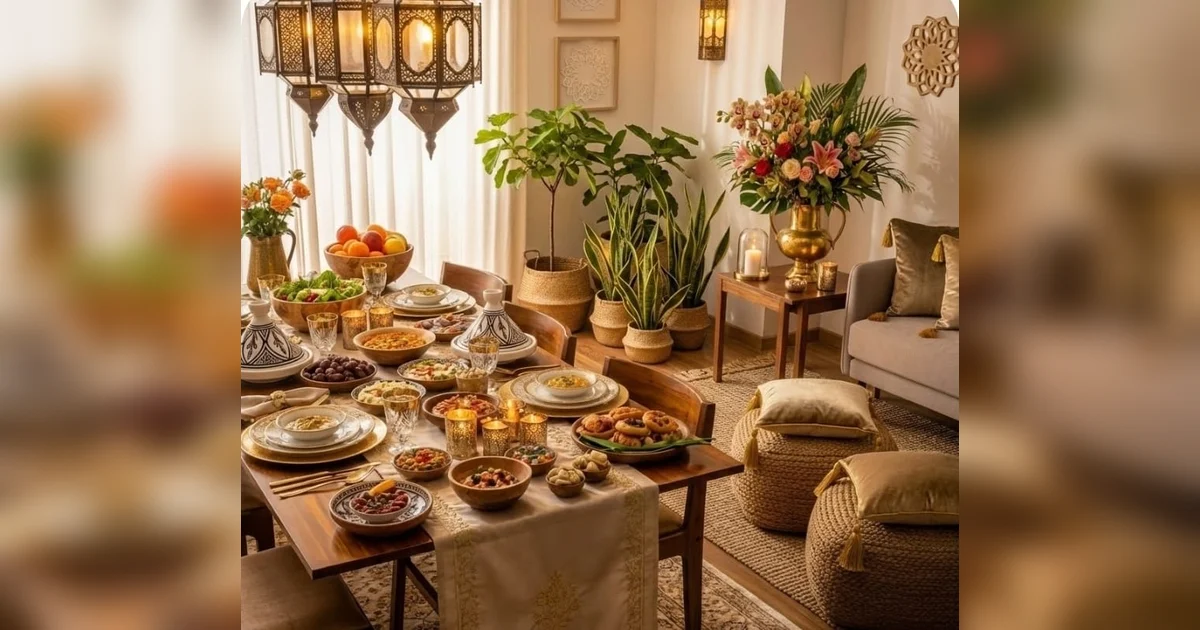
According to Anita Lal, founder of Good Earth, the Iftar table represents a cornerstone of Ramadan hospitality. “A beautifully arranged table conveys generosity without requiring elaborate decoration,” she notes. Design professionals recommend beginning with intentional foundation elements—handcrafted table runners or cloths—then layering with carefully selected tableware. The strategic incorporation of neutral color palettes using ivory, beige, or soft white allows traditional foods like dates displayed in artisanal bowls to become natural focal points.
Lighting design receives particular emphasis during the holy month. Sarita Handa, founder of her eponymous home décor brand, explains that “lanterns, candleholders, and strategically placed fairy lights create atmospheres that enhance both celebration and contemplative comfort.” Experts recommend mixing earthenware pieces with metallic finishes and paying meticulous attention to polishing lanterns and holders to maximize their luminous qualities.
The integration of heirlooms and inherited objects emerges as a central theme in creating emotionally resonant spaces. Luxury interior designer Amita Trehan advocates for blending traditional elements—brass handis, copper water vessels, vintage serveware—within modern settings featuring clean-lined furniture and restrained styling. This harmonious dialogue between historical artifacts and contemporary design creates environments that feel both grounded and intentionally curated.
Kadambari Uppal of KAD Designs emphasizes the importance of spatial editing during Ramadan: “I encourage reducing spaces to their essential elements. Clear visual clutter, allow negative space to breathe, and anchor rooms with singular strong elements—whether a beautifully crafted console or sculptural object.”
Practical implementation strategies include creating dedicated heritage corners displaying family photographs and mementos, establishing cozy reading nooks with plush cushions and soft lighting, and incorporating scent elements through incense sticks or essential oils with traditional fragrances like oud, rose, or jasmine. These multidimensional approaches transform homes into sanctuaries that honor Ramadan’s spiritual significance while providing practical functionality for daily rituals and hospitality.