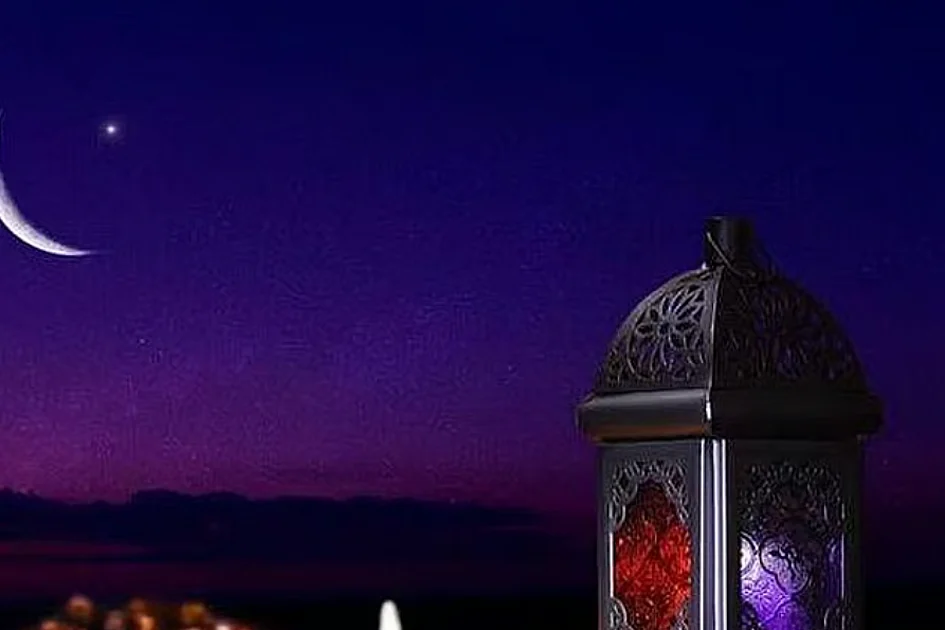
The UAE-based International Astronomical Centre (IAC) has released crucial guidance regarding celestial observations for the anticipated commencement of Ramadan 2026, emphasizing the critical distinction between moon presence and crescent visibility. According to astronomical calculations, the parameters on Tuesday, February 17, 2026, will not permit the crescent’s sighting despite the moon’s presence in the sky. The center cited findings from prominent Saudi researcher Mulhim Hindi of King Abdulaziz University, indicating the moon’s elevation above the horizon will be insufficient for visual detection across Arab nations. The maximum elevation of approximately half a degree in Saudi Arabia’s Jizan region falls below the one-degree threshold established by Islamic scholar Ibn Taymiyyah for reliable crescent observation. The IAC further clarified that while the moon exists daily, the crescent represents a specific lunar phase marking Islamic months. Astronomical conditions reveal the moon will set simultaneously with or before the sun across most Islamic countries, with West Africa experiencing merely minutes of separation. This minimal interval prevents the transition from astronomical conjunction to visible crescent formation. Additionally, the center issued serious safety warnings as the moon’s proximity to the sun during sunset creates dangerous viewing conditions. Using optical instruments like binoculars or telescopes toward the sun-adjacent moon risks permanent eye damage due to solar exposure within the field of view. The occurrence of a solar eclipse on the same date further signifies the peak of the new moon phase, reinforcing the impossibility of crescent sighting. Astronomical experts anticipate Ramadan will likely commence on February 19 based on these scientific observations.
Ramadan 2026: Why sighting crescent, not moon, matters, UAE astronomy centre clarifies