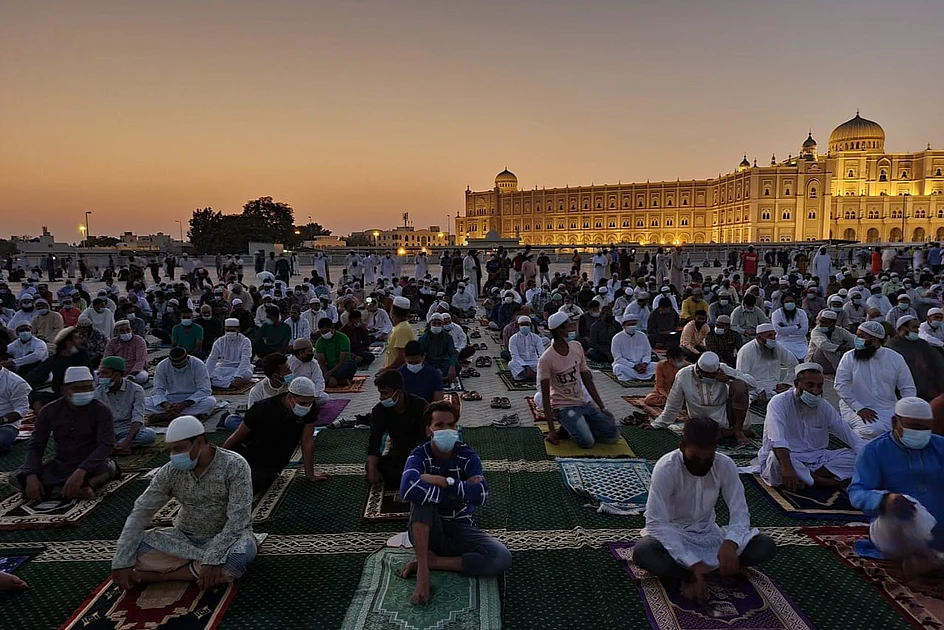
As the sacred month of Rajab dawns across the United Arab Emirates, Muslim communities worldwide are initiating spiritual preparations for the approaching Ramadan season. Sheikh Nasser Al Hammadi of Sharjah Islamic Affairs delivered crucial guidance during a live Instagram lecture on Tuesday, emphasizing the significance of this preparatory period within the Islamic calendar.
Sheikh Al Hammadi clarified that Rajab constitutes one of the four venerated months (Al-Ashhur Al-Hurum) in the Hijri calendar, alongside Dhul Qa’dah, Dhul Hijjah, and Muharram. These months hold distinctive spiritual status where righteous deeds yield amplified rewards and transgressions carry heightened consequences. The scholar described Rajab as an agricultural metaphor: “It resembles a farmer who commences by planting seeds, subsequently irrigating them, then nurturing the crop until harvest time” – representing spiritual groundwork for Sha’ban and ultimately Ramadan.
Regarding worship practices, Sheikh Al Hammadi underscored that no exclusive rituals are designated for Rajab. Instead, Muslims should intensify general acts of devotion throughout the month while maintaining annual consistency. He referenced prophetic traditions indicating that even Muhammad (PBUH) never completed a full month of fasting outside Ramadan, and that Caliph Umar ibn Al-Khattab (RA) discouraged complete Rajab fasting to prevent resemblance to Ramadan.
The Islamic authority issued specific cautions against introducing non-authenticated practices, particularly warning against innovations like Salat Al-Raghaib or specialized Umrah rituals exclusively for Rajab. He emphasized that worship foundations must derive exclusively from established Quranic principles and Sunnah teachings: “Muslims should not engage in any act of worship, add to it, or single it out, except based on what has been established in Islamic law.” This guidance aims to preserve religious authenticity while enabling meaningful spiritual preparation during Islam’s sacred months.