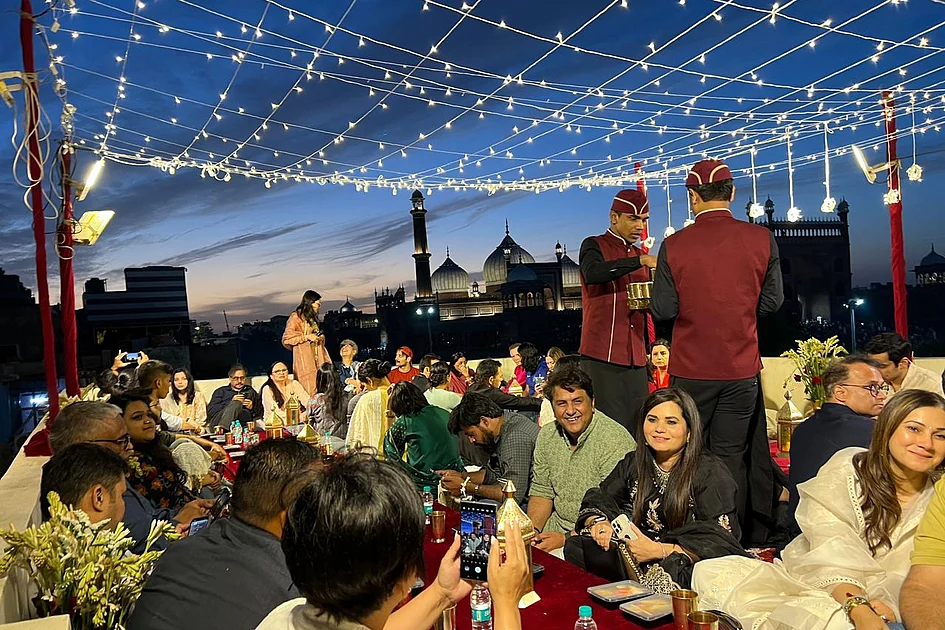
In the historic lanes of Old Delhi, a unique cultural initiative is transforming Ramadan traditions beyond conventional culinary tourism. Since 2017, cultural curator Abu Sufiyan Khan has orchestrated Dastarkhwan-e-Jahaanuma—an intimate community iftar experience that emphasizes authentic home-style cooking over commercial food offerings.
Through his platform Tales of City, Khan collaborates with local bawarchis (cooks) and families to present dishes actually prepared in Muslim households during Ramadan, complete with their cultural and emotional significance. “While most visitors explore crowded markets and restaurant-style Mughlai offerings,” Khan explains, “our focus remains on the food traditions of homes and their deeper meaning during the fasting month.”
The initiative represents a deliberate shift from monument-based tourism to immersive cultural engagement. Tales of City specializes in creating participatory experiences where attendees interact directly with historians, artists, home cooks, and community knowledge keepers. The platform’s vision centers on making cultural heritage accessible, relevant, and rooted in lived experience.
Dastarkhwan-e-Jahaanuma—meaning “a shared table that offers a view of the world”—has evolved into a community platform for dialogue and shared understanding. Unlike typical food festivals, it functions as a cultural space where guests experience Ramadan through food, prayer, hospitality, and togetherness. The format emphasizes story exchange, memory sharing, and tradition preservation alongside the culinary experience.
This year’s edition highlights Mughlai and Purani Dilli food traditions, particularly dishes associated with fasting. The event has attracted diverse participants, including Arab visitors and NRIs from Gulf countries seeking cultural reconnection. For many, the experience becomes emotional—a return to community roots rather than mere dining.
Regarding expansion, Khan maintains that current efforts focus on strengthening the Delhi edition, though future collaborations in Lucknow, Mumbai, Agra, and Jaipur are under consideration. The organizer stresses the importance of keeping the initiative community-rooted rather than commercially replicated, preserving its authenticity as a space where food, conversation, and culture converge naturally.