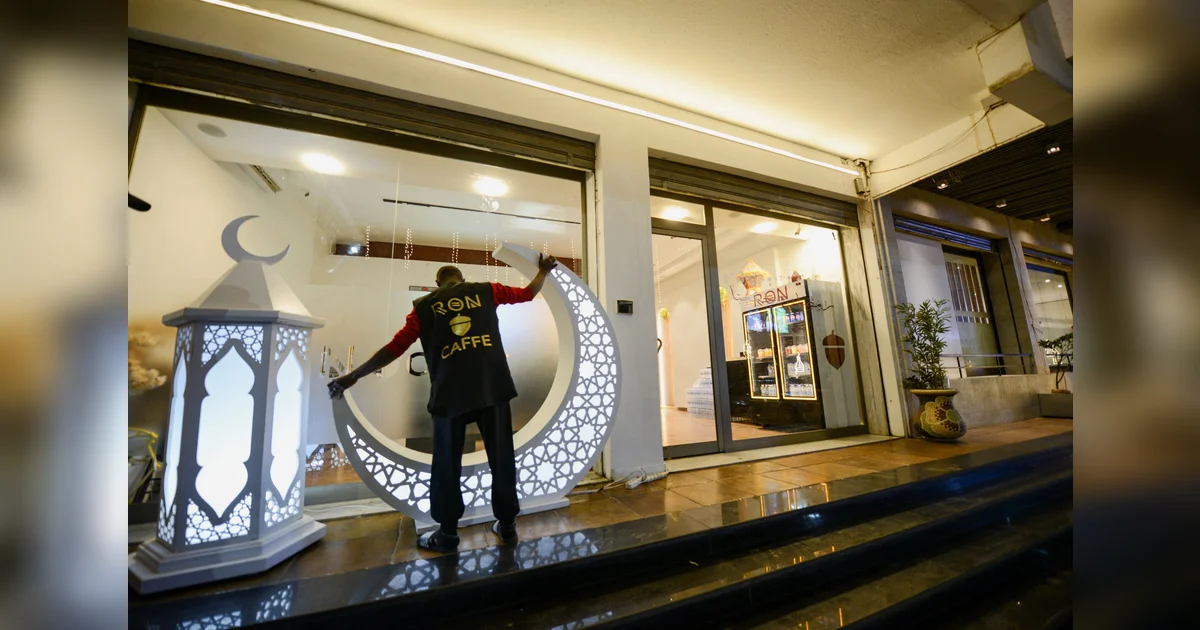
As Ramadan 2026 approaches, the United Arab Emirates prepares for its annual metamorphosis—a profound recalibration of daily existence that transcends mere religious observance. This holy month, occurring during the cooler winter period, initiates a comprehensive restructuring of social rhythms, commercial operations, and urban dynamics across the seven emirates.
From approximately 2:30 PM each afternoon, a noticeable tranquility descends upon business districts as both government entities and private corporations implement reduced operational hours. This early departure from workplaces creates an unusual serenity in typically bustling commercial zones, establishing the foundation for the day’s subsequent transformations.
Transportation networks undergo remarkable changes as major highways experience significantly diminished congestion around 5:45 PM—an extraordinary phenomenon in a nation known for its vibrant traffic patterns. This pre-sunset lull results from residents returning home in preparation for iftar, creating one of the year’s rare periods of roadway calm.
The culinary landscape transforms substantially with deserted food courts during daylight hours, contrasting sharply with vibrant evening gatherings in public parks where families assemble on blankets approximately thirty minutes before sunset. These communal iftar celebrations create impromptu communities bound by shared tradition and spiritual connection.
Post-iftar reanimation occurs around 9:00 PM as urban centers regain their vitality through extended commercial hours. Neighborhoods like Karama and Deira undergo remarkable conversions into open-air dining destinations, with streets transforming into expansive food courts featuring Ramadan-specific menus and heightened hospitality services.
Cultural practices adapt to the seasonal context with karak tea establishments experiencing increased patronage during cooler evenings. These social hubs facilitate extended nocturnal conversations among friends, while mosques accommodate expanded congregations for multiple daily prayers beyond the special Taraweeh sessions.
Educational institutions modify schedules with earlier student dismissals and reduced extracurricular programming, prompting families to reorganize domestic routines. Public decorum shifts toward softer auditory environments and increased interpersonal courtesy, while visual landscapes transform through ubiquitous ‘Ramadan Kareem’ greetings displayed across digital billboards, architectural features, and personal devices.
The daily culmination arrives through the resonant tradition of the Ramadan cannon—an auditory signal broadcast across cities marking the moment for breaking fast. This historic practice generates profound emotional responses among both long-term residents and newcomers, serving as both cultural anchor and spiritual milestone within the Emirates’ unique Ramadan experience.