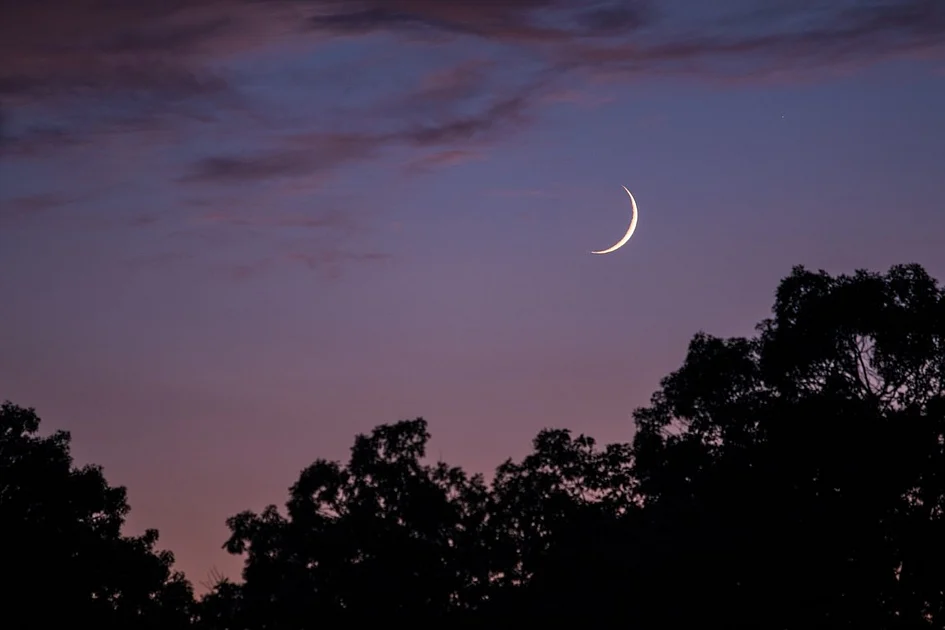
Oman’s Ministry of Endowments and Religious Affairs confirmed on Saturday, December 20, 2025, that astronomical observers failed to sight the Rajab crescent moon after sunset, officially delaying the commencement of Rajab 1447 AH to Monday. This announcement creates a divergence in Islamic lunar calendar observance across the region, as neighboring United Arab Emirates confirmed successful crescent sighting earlier the same day.
The lunar observation holds profound religious significance as it initiates the three-month spiritual preparation period culminating in Ramadan—Islam’s holiest month characterized by fasting, prayer, and devotion. Oman’s methodology strictly adheres to traditional moon sighting protocols rather than astronomical calculations, maintaining the practice that Islamic months begin only upon visual confirmation of the new crescent.
This calendrical discrepancy demonstrates the variability inherent in moon-based timekeeping systems, where atmospheric conditions, geographical location, and observational methodologies can yield different outcomes across Muslim communities. The progression from Rajab to Shaban and ultimately Ramadan remains contingent upon successive lunar observations, typically spanning approximately two lunar cycles from Rajab’s commencement.
The ministry’s official statement emphasized that Saturday marked the 29th of Jumada al-Akhirah 1447 AH, and with no crescent sighting, the current month will complete its thirty-day cycle before Rajab officially begins. This approach reflects Oman’s conservative interpretation of lunar month commencement, contrasting with some Muslim nations that employ astronomical calculations to predict Islamic calendar dates.