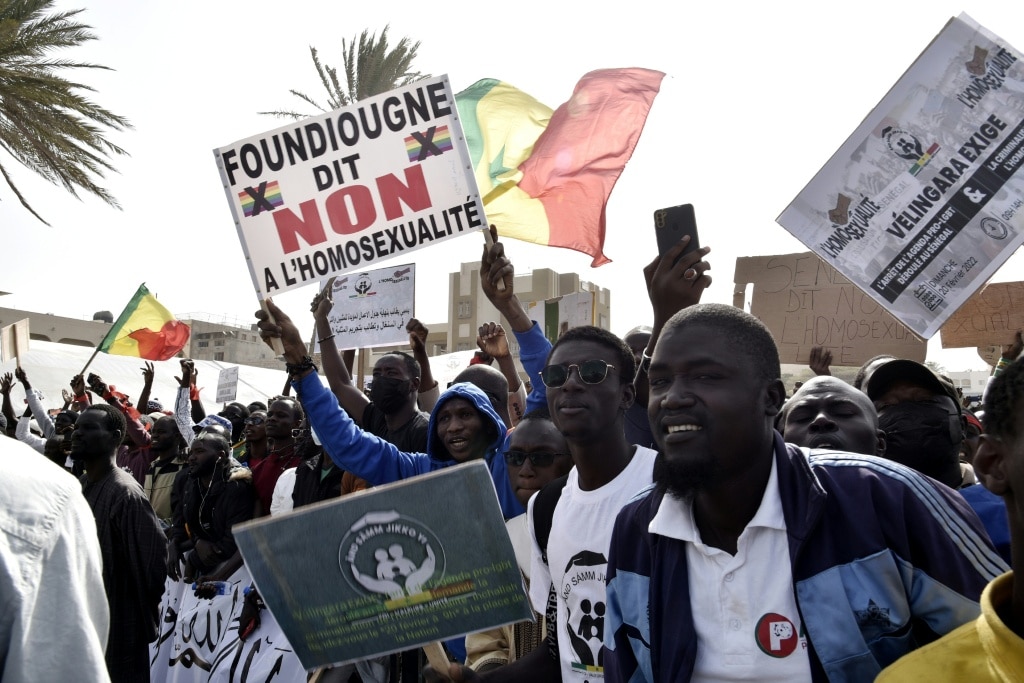
Senegal has dramatically escalated its suppression of LGBTQ+ individuals through coordinated government action and public persecution, creating what human rights defenders describe as an atmosphere of ‘public lynching.’ The recent wave of repression includes increased arrests, online harassment, and newly proposed legislation that would impose stricter penalties on same-sex relations.
Prime Minister Ousmane Sonko unveiled a draft bill this week seeking to double prison sentences for consensual same-sex relations to a maximum of ten years. The legislation would also criminalize advocacy for LGBTQ+ rights with prison terms ranging from three to seven years. This political maneuver aligns with longstanding demands from influential religious groups in the predominantly Muslim nation.
The crackdown intensified in early February with the arrest of approximately thirty individuals, including local celebrities, on charges of ‘acts against nature’—a legal euphemism for homosexuality. Their identities were publicly disclosed, triggering widespread media coverage with sensational headlines such as ‘Big homo clean-up’ and ‘Bisexuals, walking dangers.’
Social media platforms have become arenas for vitriolic discourse and unverified videos showing physical assaults against individuals suspected of being LGBTQ+. Senegal’s media ethics regulator CORED has issued calls for respecting human dignity and privacy amid the escalating public exposure of detainees.
Human rights organizations report that community members are experiencing severe trauma, with many going into hiding or seeking exile. The Paris-based association STOP Homophobia documented eighteen requests for assistance to leave Senegal in recent days, noting increased reports of familial violence, threats, and housing insecurity among LGBTQ+ individuals.
Public discourse has further been inflamed by accusations that detainees deliberately transmitted HIV, a characterization that health experts warn could undermine public health efforts by discouraging testing and treatment. The situation has become so dire that France’s refugee protection office no longer considers Senegal safe for individuals based on sexual orientation since 2021.
Despite international concern, few local institutions have opposed the crackdown. Denis Ndour, the new president of Senegal’s human rights league, recently endorsed harsher penalties while describing homosexuality as an illness incompatible with local norms. This stance highlights the challenging environment for LGBTQ+ advocacy in a country where such rights are frequently characterized as foreign imports.
For those without means to escape, the situation appears increasingly desperate. As one exiled individual told AFP under pseudonym: ‘The only thing they can do is see death coming and wait.’