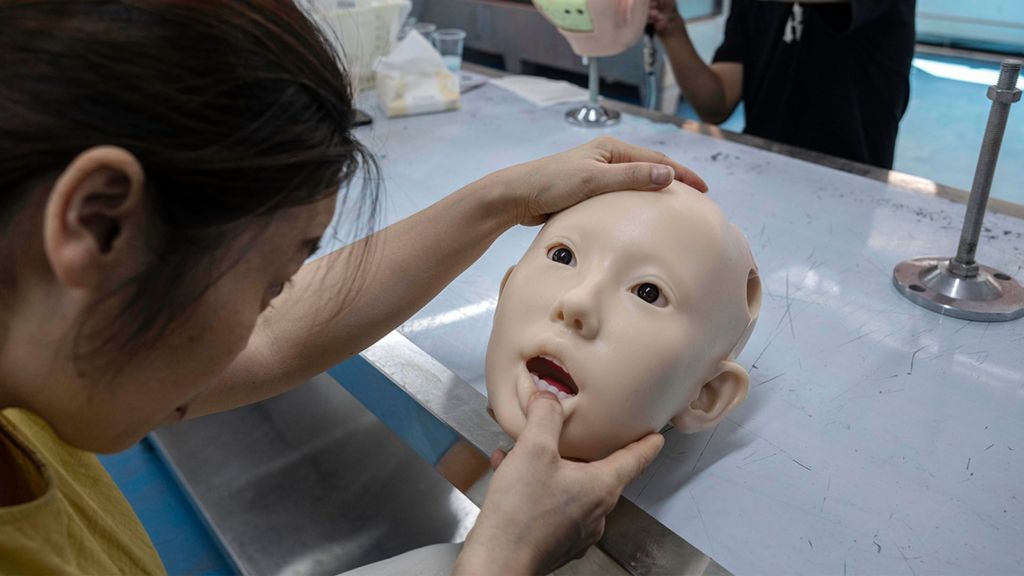
Chinese authorities have launched a formal investigation into a manufacturing facility in Guangdong province accused of producing customizable sex dolls with childlike characteristics. The factory has been ordered to cease all operations immediately following reports that its products were being marketed through major e-commerce platforms and social media channels.
This development comes amid growing international scrutiny of online retailers selling controversial adult products. Last month, global fast-fashion retailer Shein implemented a worldwide ban on all sex doll sales after public outcry over merchandise featuring childlike appearances. The Singapore-headquartered company, which originated in China, reinforced its keyword filtering systems to prevent sellers from circumventing listing restrictions.
The issue has drawn attention from multiple governments worldwide. French authorities have investigated AliExpress, Alibaba’s international marketplace, regarding similar products. Despite repeated denials from the China-based company about selling such items, Reuters reported in November that AliExpress had banned a seller specializing in sex dolls.
Sweden has joined the international effort, with Social Services Minister Camilla Waltersson Gronvall announcing potential legislative measures if e-commerce platforms fail to voluntarily eliminate these products. “I now start from the principle that electronic commerce companies assume their responsibilities and do everything possible to end the marketing of sexual dolls that resemble children,” Gronvall told AFP.
Technological advancements have complicated the situation, with artificial intelligence enabling enhanced customization capabilities for online-ordered dolls, including conversational features. Chinese state media outlet The Paper reported that multiple factories in southern Guangdong were producing dolls with what authorities described as “childlike pornography characteristics,” prompting intensified regulatory action.