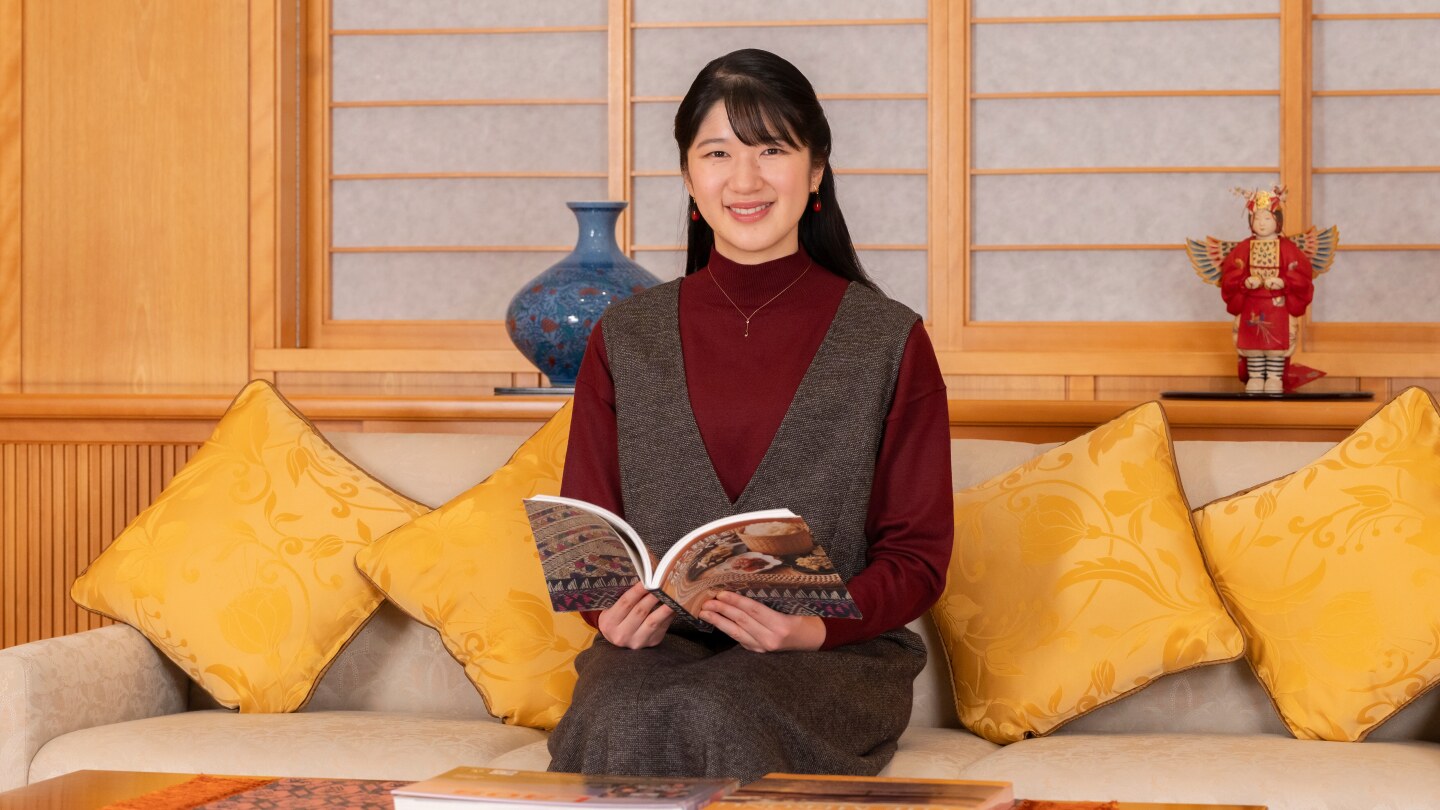
TOKYO — Japan faces a constitutional crossroads as Princess Aiko, the only child of Emperor Naruhito and Empress Masako, emerges as a charismatic royal figure whose popularity is challenging the nation’s male-only succession laws. During recent public appearances in Nagasaki and Okinawa, the 24-year-old princess received overwhelming public adoration that frequently eclipsed that of her parents, highlighting her unique connection with the Japanese people.
The imperial succession crisis has reached critical levels with Japan’s monarchy shrinking to merely 16 members, all adults, and only three male heirs in the direct line of succession. Prince Hisahito, the Emperor’s 19-year-old nephew, remains the sole eligible heir from the younger generation, creating what experts describe as an existential threat to the world’s oldest continuous monarchy.
Princess Aiko’s maturation into her royal duties has been remarkable. Since her official debut as an adult royal in 2021, she has impressed the nation with her intelligence, compassion, and diplomatic skill. Her successful solo diplomatic mission to Laos in November, where she met with top officials and engaged with local communities, demonstrated her capability to represent Japan on the international stage. Her commitment to continuing her father’s work of preserving World War II historical memory has further endeared her to the public.
The growing movement to revise the 1947 Imperial House Law has gained momentum through various grassroots efforts. Cartoonist Yoshinori Kobayashi has created comic books advocating for legal change, while activists distribute leaflets and maintain YouTube channels dedicated to the cause. Social media advocate Ikuko Yamazaki, 62, argues that allowing female succession would not only preserve the monarchy but significantly advance gender equality in Japanese society.
Historical context reveals that Japan’s male-only succession tradition is relatively modern. While the monarchy has historically been male-dominated, eight female monarchs have ruled throughout Japan’s history, with Empress Gosakuramachi being the last in the 18th century. The current succession law dates only to 1889 and was maintained in the postwar 1947 constitution. Experts note that the system previously functioned only through the practice of concubines, which produced approximately half of Japan’s historical emperors.
The government’s conservative faction, including Prime Minister Sanae Takaichi, remains opposed to changing the succession laws. A 2022 expert panel recommended maintaining male-line succession while allowing female royals to retain their status after marriage—a compromise that fails to address the core issue of succession rights. The United Nations has intervened, urging Japan to allow female emperors to promote gender equality, though the Japanese government dismissed these recommendations as “inappropriate interference” in national identity matters.
As Crown Prince Akishino acknowledged on his 60th birthday, the royal family faces unprecedented challenges with its aging and shrinking membership. The future of Japan’s 1,500-year monarchy may ultimately depend on whether the nation chooses tradition over survival, with Princess Aiko’s popularity serving as a powerful symbol of potential change.