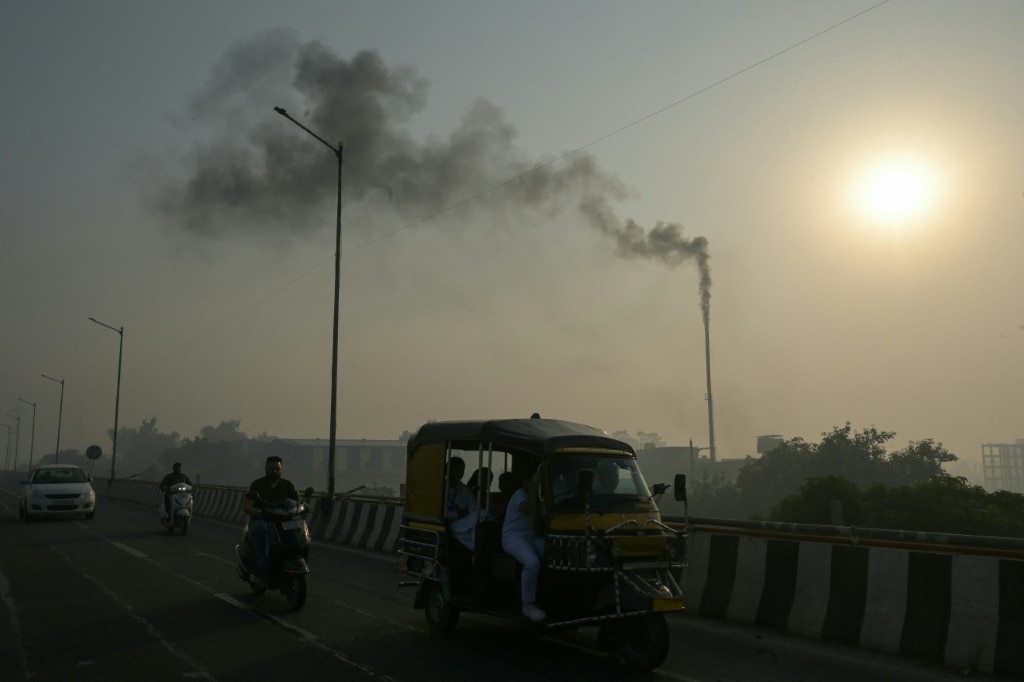
A dire warning has been issued by the United Nations World Meteorological Organization (WMO), confirming that Earth’s energy imbalance reached a record high in 2025, with consequences projected to persist for millennia. The agency’s annual State of the Global Climate report reveals that the eleven hottest years in recorded history all occurred between 2015 and 2025, with last year ranking as the second or third warmest at approximately 1.43°C above pre-industrial levels.
UN Secretary-General Antonio Guterres characterized the situation as a ‘climate emergency,’ stating that ‘every key climate indicator is flashing red.’ For the first time, the WMO incorporated measurements of planetary energy imbalance—the disparity between incoming solar radiation and outgoing energy—revealing a dangerous disruption to Earth’s natural equilibrium. Concentrations of heat-trapping greenhouse gases, including carbon dioxide, methane, and nitrous oxide, have reached their highest levels in at least 800,000 years.
Scientific advances have enabled improved understanding of this energy imbalance, which has particularly accelerated over the past two decades. WMO Chief Celeste Saulo emphasized that human activities are fundamentally disrupting planetary systems, with consequences that will endure for hundreds and thousands of years.
The oceans have absorbed more than 91% of excess heat, reaching unprecedented temperatures in 2025. The rate of ocean warming has more than doubled since the 1960-2005 period, causing severe degradation of marine ecosystems, biodiversity loss, and reduced capacity for carbon absorption. This warming intensifies tropical and subtropical storms while accelerating polar ice loss.
Both the Antarctic and Greenland ice sheets have experienced significant mass reduction, with Arctic sea ice extent in 2025 ranking among the lowest ever recorded. Global mean sea levels now stand approximately 11 centimeters higher than when satellite measurements began in 1993, with continued rise projected for centuries.
While current weather patterns remain under the influence of cooling La Niña conditions, forecasts indicate a potential shift to warming El Niño conditions by late 2026. WMO scientific officer John Kennedy warned that this development could lead to elevated temperatures in 2027, potentially challenging records.
WMO Deputy Chief Ko Barrett described the outlook as a ‘dire picture,’ acknowledging that climate indicators are moving in concerning directions. Guterres connected climate instability to global security concerns, noting that ‘our addiction to fossil fuels is destabilizing both the climate and global security.’ The report concludes with an urgent call to action, emphasizing that ‘climate chaos is accelerating and delay is deadly.’