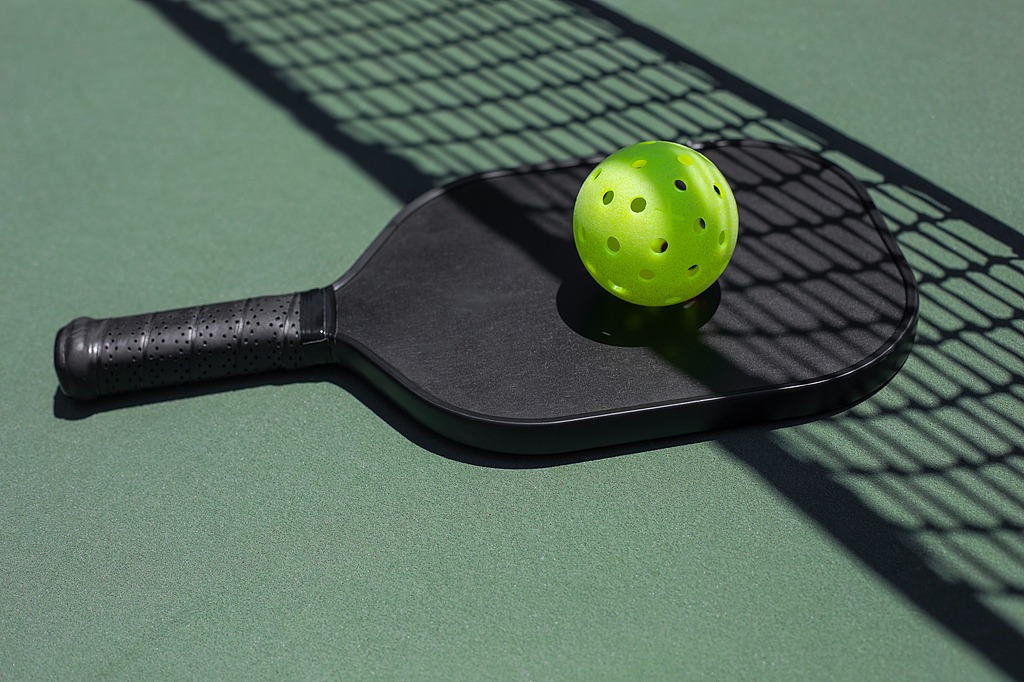
The rural Chinese county of Shangyou in Jiangxi Province has transformed an unlikely sporting equipment—the pickleball paddle—into an engine for environmentally conscious economic growth, drawing international recognition for its innovative development approach.
International observers participating in a Belt and Road Initiative training program recently witnessed firsthand how this mountainous region has strategically leveraged the rapidly growing sport to drive tourism while preserving its ecological integrity. The delegation, which included academics, journalists, and public servants from multiple nations, concluded a field visit with a pickleball experience event showcasing the county’s signature industry.
Lim Chong Heng, a Malaysian university lecturer, noted the exceptional air quality and natural surroundings, stating that Shangyou’s environment makes it ideally suited for short retreats and extended weekend stays. He particularly endorsed the local government’s decision to implement subsidy programs supporting pickleball development, predicting that tournament hosting would significantly boost visitor numbers and stimulate local economic activity.
Shangyou’s systematic approach to pickleball development began in 2023 when officials identified the sport’s accessibility, social nature, and space efficiency as ideal characteristics for their national fitness strategy. This recognition evolved into a comprehensive three-year action plan (2024-2026) featuring substantial financial commitments, including annual allocations of 13 million yuan ($1.8 million) in subsidies and dedicated funds for tournament hosting.
The infrastructure development has been equally impressive: the county has already constructed or upgraded over 300 courts distributed across communities, educational institutions, and public parks, establishing what officials term a “10-minute sports circle” for residents. Looking ahead, an even more ambitious blueprint aims to expand the network to 500 courts by 2028, creating a “5-minute sports circle” while allocating 10 million yuan annually to support the entire pickleball industry ecosystem.
The international visitors universally praised the environmental compatibility of this development model. Tsaone Basimanebotlhe, a journalist from Botswana, emphasized that sports constitute a genuinely green industry that preserves rather than damages natural surroundings. She noted the minimal spatial requirements of pickleball and expressed admiration for Shangyou’s well-preserved landscape and protected areas.
Echoing this sentiment, Tsegaye Girma, an Ethiopian public servant, characterized pickleball development as “a very good choice” for economic stimulation. He further commended China’s broader environmental protection and green development practices as valuable lessons for his home country, explicitly stating that “Chinese development is green development.”
The economic returns already demonstrate the strategy’s effectiveness: tournament events have consistently filled local hotels and restaurants with visitors. Official statistics reveal that from January to September, Shangyou recorded approximately 9.3 million tourist visits, generating over 9.4 billion yuan in tourism revenue—representing year-on-year increases of 8.1% and 8.5%, respectively.