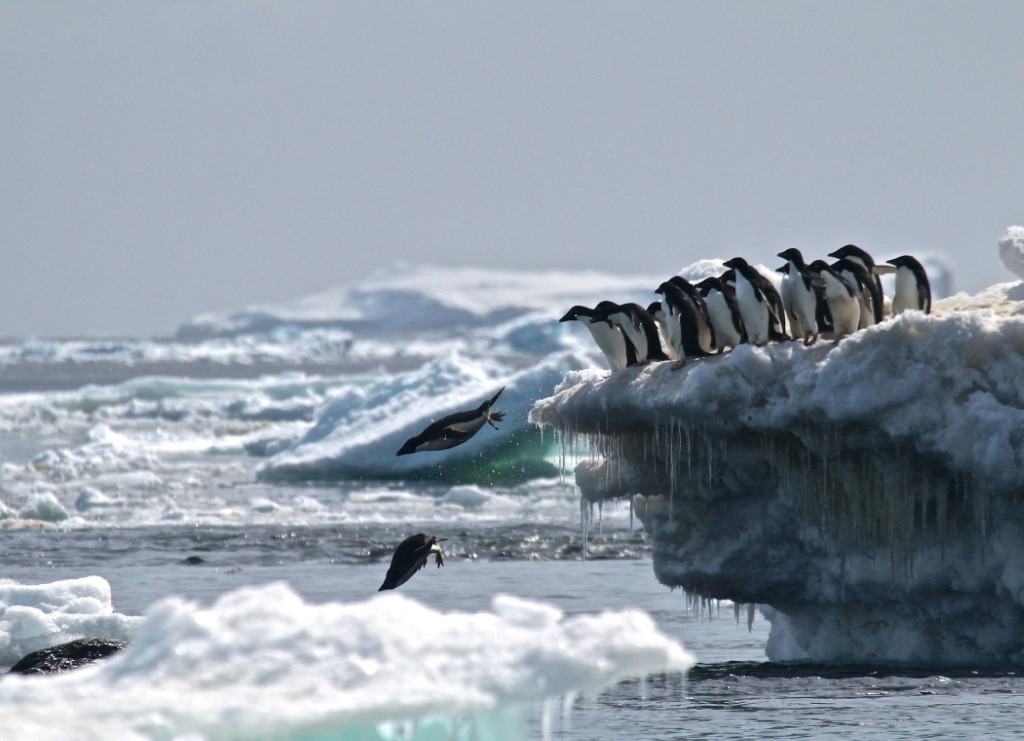
A groundbreaking ecological study reveals that Antarctic penguin species are dramatically accelerating their breeding schedules in response to the continent’s accelerated warming trends. Published in the Journal of Animal Ecology, the research documents the most rapid breeding season shift ever recorded in avian species, with some colonies advancing their reproductive cycles by nearly one month.
The international scientific team, utilizing time-lapse photography across multiple Antarctic locations from 2012 to 2022, observed three penguin species exhibiting significant behavioral changes. Gentoo penguins demonstrated the most pronounced adaptation, advancing their breeding season by 13 days on average—with some colonies shifting up to 24 days earlier. Adélie and Chinstrap penguins followed similar patterns, moving their breeding schedules forward by approximately 10 days.
According to lead researcher Ignacio Juarez Martinez of Oxford University, the scale of temporal adjustment exceeded scientific expectations. “The magnitude of change is so substantial that penguins across most regions are now breeding earlier than any historical records indicate,” Martinez noted in statements to AFP.
The behavioral shifts appear directly correlated with Antarctica’s warming climate, which the EU’s Copernicus climate monitoring service confirms as one of Earth’s most rapidly warming regions. Reduced sea ice has created extended periods of accessible hunting grounds and snow-free nesting areas, fundamentally altering the penguins’ reproductive calculus.
However, the adaptation creates ecological winners and losers. Gentoo penguins, versatile foragers suited to temperate conditions, are expanding their populations and claiming nesting sites previously occupied by other species. Conversely, Adélie and Chinstrap penguins—which depend heavily on specific ice conditions and krill availability—face population declines amid increased competition for resources.
Co-author Fiona Jones emphasized the broader implications: “As indicator species for climate change, these behavioral shifts signal potential impacts across global ecosystems.” The research team continues to monitor whether these accelerated breeding cycles ultimately produce successful chick-rearing outcomes or represent desperate adaptations to environmental stress.