As Italy prepares to host the world’s premier Paralympic athletes this month, the nation faces mounting criticism over its inadequate accessibility infrastructure. The contrast between Olympic-standard venues and everyday urban obstacles reveals a stark accessibility divide across the country.
In Rome, navigating the city’s historic streets presents formidable challenges for wheelchair users. Alessandro Bardini, a 48-year-old lawyer and disability rights activist who became paraplegic following a 1998 motorcycle accident, describes the daily struggle: ‘Sometimes, it’s just easier to ride on the road.’ The city’s iconic Sanpietrini cobblestones, while aesthetically pleasing, offer minimal stability and pose significant risks for mobility devices.
Despite substantial investments exceeding 55 million euros ($64 million) to enhance accessibility around Milan-Cortina Games venues, Rome’s infrastructure remains problematic. Even newly renovated areas demonstrate insufficient consideration for wheelchair accessibility. At Piazza Pia, recently redeveloped for the Vatican’s 2025 Jubilee Holy Year, Bardini notes the presence of ‘a staircase that could have been a ramp’—a design choice he characterizes as ‘an insult to people with motor disabilities.’
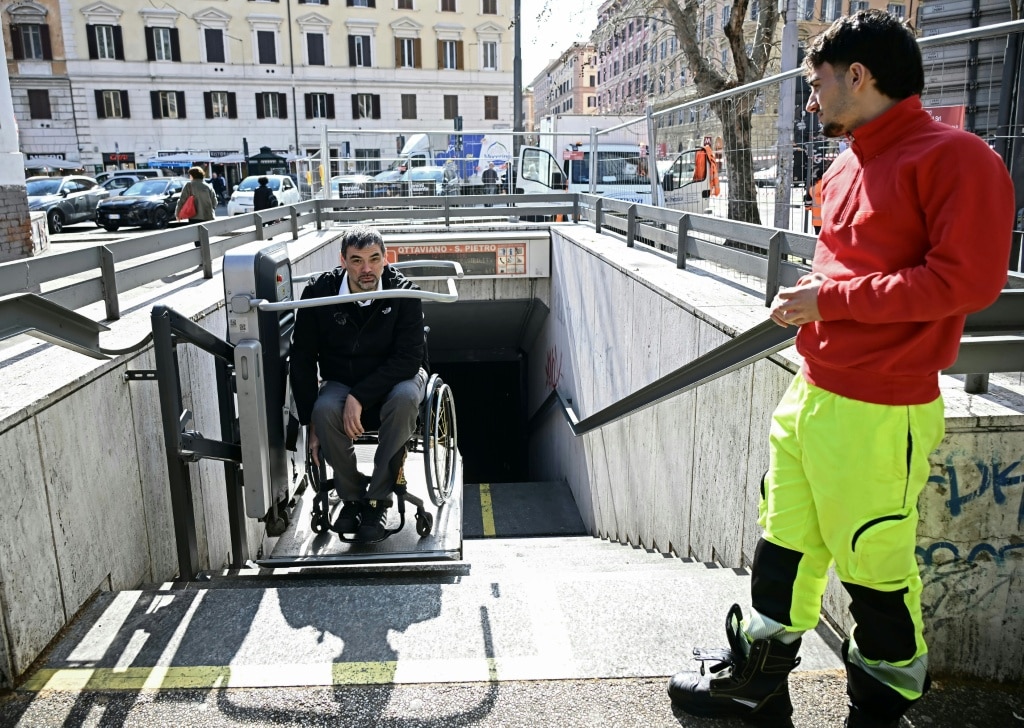
Public transportation presents additional barriers. While 61 of Rome’s 77 metro stations feature elevators, 13 stations rely solely on stairlifts requiring attendant operation. Some stations, including those near iconic landmarks like the Spanish Steps, remain completely inaccessible. The average commute can extend to 40 minutes for a single stop when accounting for accessibility-related delays.
Rome’s municipal council reports achieving 80% compliance with accessibility standards across its road network and expanding its fleet of specially adapted taxis from 40 to 250 vehicles over five years. However, responsibility fragmentation across 15 boroughs creates maintenance disparities. Bardini attributes the persistent issues to ‘a lack of willpower’ and expresses skepticism that Paralympic attention will drive lasting change, noting that post-Games ‘the spotlight is turned off… everything goes back to how it was before.’