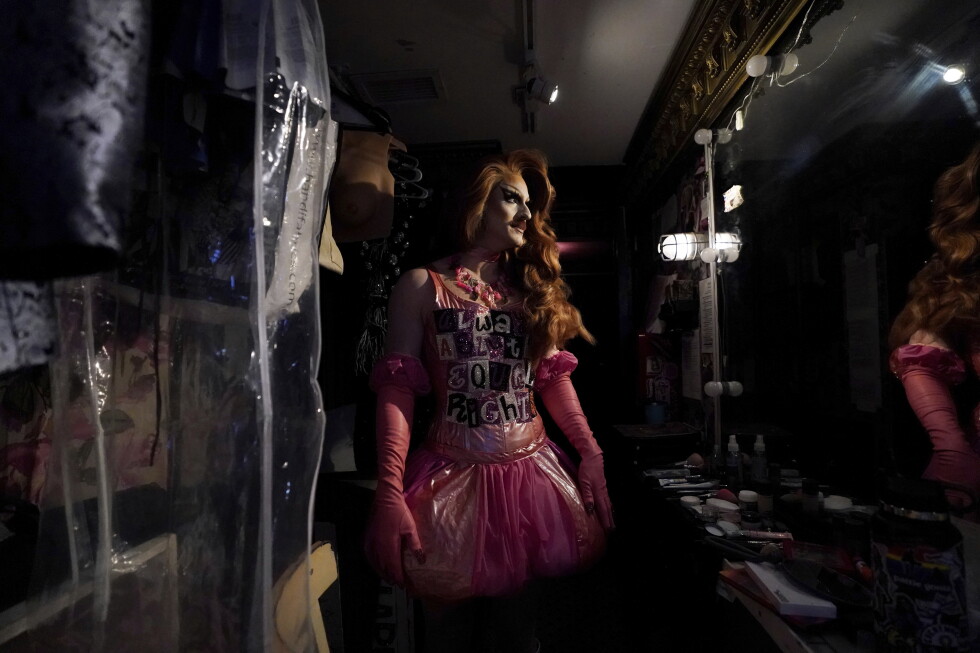
A high-profile trademark dispute between legendary sustainable outdoor apparel brand Patagonia and popular drag queen and climate activist Pattie Gonia has ignited fierce debate across social media, splitting public opinion just ahead of annual LGBTQ+ Pride Month celebrations in June.
In a viral video posted on May 27, Pattie Gonia — whose legal name is Wyn Wiley, a Bend, Oregon-based creator with nearly 3 million combined followers across TikTok and Instagram — leveled a sharp public accusation against Patagonia, claiming the multinational brand was attempting to erase a queer climate activist through legal action. The drag performer, who first rose to viral fame in 2018 for a camping clip featuring high-heeled footwear, has built a platform focused on climate education, organizing the touring “Save Her! Environmental Drag Show” to mobilize activists and raise funds for environmental nonprofits.
Patagonia filed its original trademark infringement complaint in federal court on January 21, months before Gonia’s public announcement. The brand alleges Gonia infringed on its registered trademark by selling apparel and branded merchandise under the name “Pattie Gonia,” arguing the phonetic and orthographic similarity creates a likelihood of consumer confusion. The suit only seeks $1 in statutory damages, but legal experts note that total litigation costs for both sides could easily exceed $1 million. The four-month gap between the filing and Gonia’s public announcement initially led many social media users to incorrectly assume Patagonia had launched the suit to coincide with Pride Month; Gonia has declined to comment on whether her announcement timing was intentional.
Legal records show Patagonia first raised concerns about Gonia’s brand use back in 2022, during a planned fundraising collaboration between the creator and outdoor accessory brand Hydro Flask. At that time, company representatives asked Gonia in a phone call and follow-up email to stop using Patagonia’s logo, font, and the name “Pattie Gonia” on commercial merchandise. Patagonia reached out again in early 2025, after Gonia filed a federal trademark application for “Pattie Gonia” to cover apparel sales, and requested a meeting to resolve outstanding disagreements. Gonia has pushed back against Patagonia’s claims, calling the complaint one-sided and arguing it misrepresents both the facts of the case and her personal integrity.
Trademark law experts note that this type of brand protection action is far from unusual for major consumer brands. Major companies including McDonald’s and Starbucks have previously filed suits against small businesses using similar names, and Patagonia itself has previously defended its trademark against copycat brands including “Catagonia” and “Fratagonia.” Intellectual property attorneys explain that brands routinely pursue such claims to protect their long-term trademark rights: allowing a similar name for related goods could set a precedent that weakens the brand’s ability to fend off future infringement. “I get rejections for trademarks for my clients that are way less similar than these brand names,” noted Carmel Imani, a trademark lawyer who specializes in representing small creators and independent brands. Even geographic-based names, such as Patagonia — taken from the iconic wilderness region spanning southern Chile and Argentina that has long been home to Indigenous Mapuche and Tehuelche peoples — are fully eligible for strong federal trademark protection, just like automotive nameplates such as Chevy Tahoe and GMC Denali, or beverage brands like Arizona Tea, trademark attorney Josh Gerben explained.
The public reaction to Gonia’s announcement has been divided and swift. Thousands of social media users expressed outrage that a brand long celebrated for its progressive sustainability commitments would target a beloved queer climate activist, with some organizing boycotts and even dropping off Patagonia apparel at donation centers to protest the action. “I think that you just completely wrecked your company, at least from my demographic, the LGBTQ demographic,” Jim Gregory, one protestor, said in a viral TikTok video filmed outside a Goodwill donation center. However, other observers have pushed back against the narrative that Patagonia is attempting to silence Gonia, arguing the creator has not shared the full context of the brand’s efforts to resolve the dispute before filing suit. “Saying that Patagonia was trying to silence a drag queen or a queer activist … it just felt inaccurate,” said Cleo Schroer, a Brooklyn-based researcher of queer politics and culture who initially opposed Patagonia’s action before reviewing the full court complaint.
In recent weeks, both sides have signaled openness to a negotiated resolution, avoiding a prolonged and costly court battle. Gonia has offered to withdraw her federal trademark application if Patagonia drops the suit, while Patagonia has issued a public statement acknowledging “any hurt (the lawsuit) has caused, especially in the LGBTQ+ community” but has conditioned dismissal of the suit on Gonia agreeing to stop using its logo, font, and the “Pattie Gonia” name for commercial merchandise. Gonia has agreed to the first two conditions but has refused to stop selling merchandise branded with her stage name; her official merchandise site has already quietly been changed from www.pattiegoniamerch.com to www.pattieacherch.com, a shift Gonia has not addressed publicly. Legal experts agree that an out-of-court settlement would be the best outcome for both parties, providing certainty without the unpredictable outcome of a jury trial.
Corley Kenna, Patagonia’s chief impact and communications officer, confirmed the brand remains open to finding a mutually acceptable resolution, but declined to share further details on ongoing discussions.