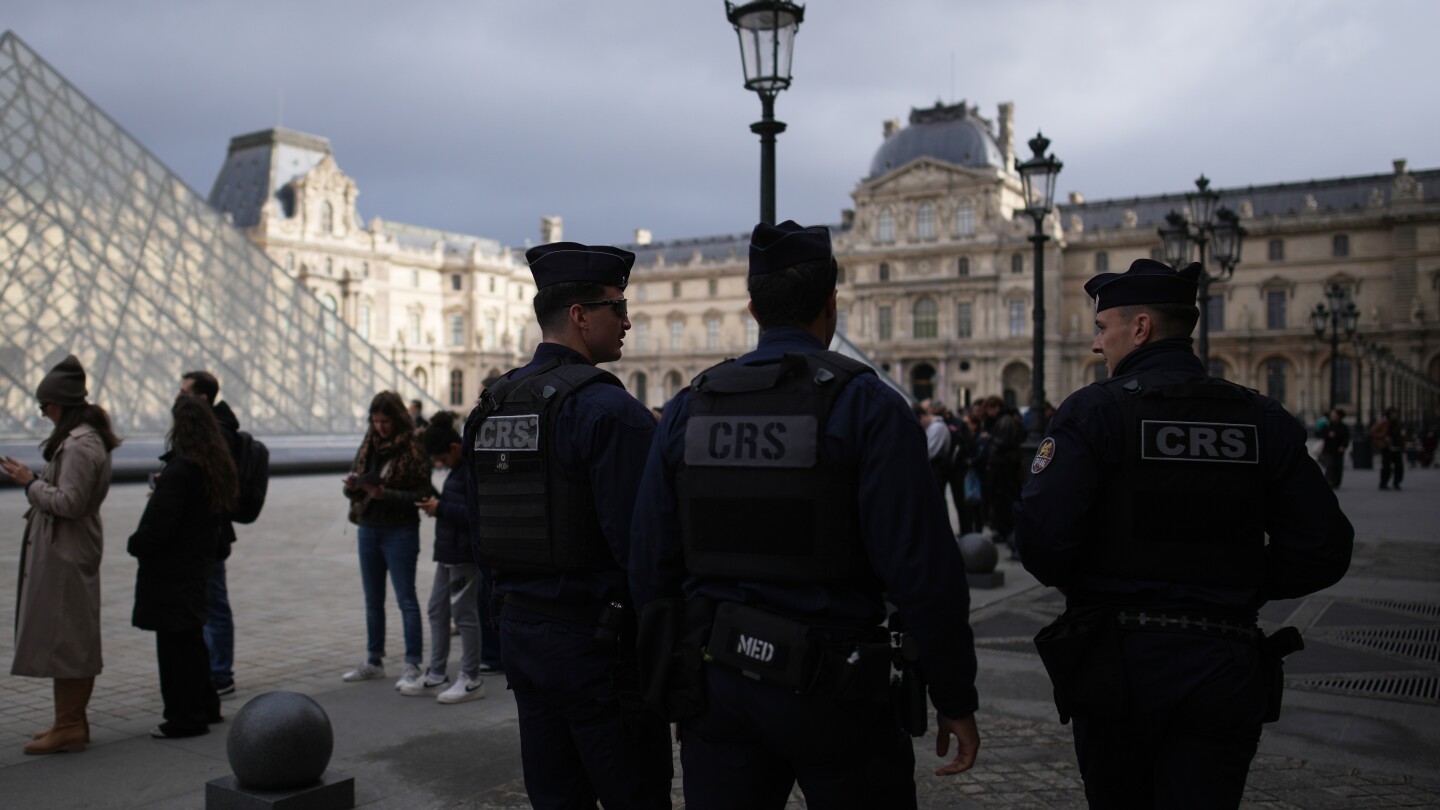
The recent daylight theft at the Louvre Museum has sparked a national reckoning over France’s ability to safeguard its cultural treasures. Paris Police Chief Patrice Faure revealed significant vulnerabilities in the museum’s security systems during a Senate hearing on Wednesday. He highlighted outdated technology, including analog video networks that produce low-quality images and slow real-time sharing. A long-awaited $93 million security upgrade, involving 60 kilometers of new cabling, is not expected to be completed until 2029–2030. Alarmingly, the Louvre’s authorization to operate its security cameras expired in July and was not renewed, a lapse that underscores broader negligence. On October 19, thieves exploited these weaknesses, breaking into the Apollo Gallery and stealing eight pieces of the French crown jewels valued at $102 million. The theft was first reported by a cyclist, not the museum’s alarms, further exposing flaws in the alert system. Two suspects were arrested, but their custody is set to expire, raising concerns about the investigation’s progress. The incident has also revealed an insurance blind spot, as the jewels were not privately insured, leaving the Louvre to bear the total financial loss. Faure emphasized the need for advanced tools like AI-based anomaly detection to enhance security, while rejecting calls for a permanent police post inside the museum. The heist has intensified scrutiny on the Louvre’s management, already strained by chronic understaffing and mass tourism. Experts fear the stolen jewels may be irreversibly altered, adding urgency to France’s debate on protecting its cultural heritage.